• Fri frakt över 249 kr
  • •
  • Snabba leveranser
  • •
  • Billiga böcker
Kundservice

Du är på sajten för privatpersoner.

Företag, bibliotek eller offentlig verksamhet?

Du handlar på classic.bokus.com, där alla dina funktioner finns intakta.
Till classic.bokus.com
Bokus logotyp. Gå till startsidan.
  • Erbjudanden
  • Nyheter
  • Student
  • Topplistor
  • Barn & ungdom
  • Bokus Play
  • E-böcker
  • Pocketböcker
  • Spel & pussel

10% rabatt på allt med kod NYSTART10 →

Sidfot

Mina sidor

    Hjälp

    • Kundservice
    • Vanliga frågor och svar
    • Frakt och leverans
    • Retur vid ångerrätt
    • Reklamera vara
    • Betalning
    • Köpvillkor
    • Allmänna villkor
    • Information om webbplatsens tillgänglighet

    Om Bokus

    • Om oss
    • Pressrum
    • För studenter
    • För företag
    • För bibliotek och offentlig verksamhet
    • För leverantörer
    • Hållbarhet

    Populärt

    • Aktuella erbjudanden
    • Presentkort
    • Studentlitteratur
    • Nya böcker
    • Topplistor
    • Signerade böcker
    • Engelska böcker

    Inspiration

    • Boktips
    • BookTok
    • Populära bokserier
    • Barnbokskaraktärer
    • Populära författare
    Logotyp för Bokus
    Följ oss på Facebook (extern länk)Följ oss på Instagram (extern länk)Följ oss på YouTube (extern länk)Följ oss på TikTok (extern länk)
    bokus @ CookiesAnpassa cookiesIntegritetspolicyKöpvillkor
    Till Citymail hemsida (extern länk)Till Budbee hemsida (extern länk)Till Postnord hemsida (extern länk)Till Schenker hemsida (extern länk)Till Early Bird hemsida (extern länk)Till Walleys hemsida (extern länk)
    1. Samhälle och politik
    2. Politik och statsskick
    3. Statsskick och politiska processer
    4. Konstitution: stat och regering

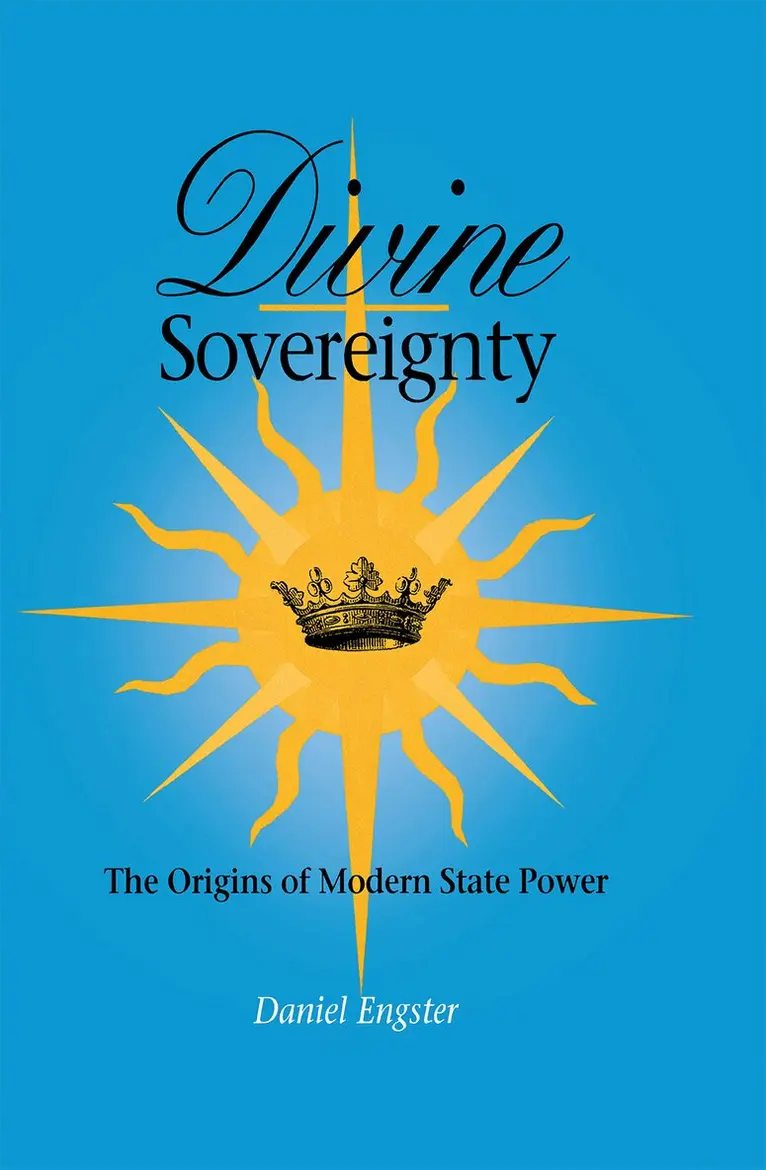
    Divine Sovereignty

    The Origins of Modern State Power

    AvDaniel Engster

    Inbunden, Engelska, 2001

    632 kr

    Beställningsvara. Skickas inom 10-15 vardagar. Fri frakt över 249 kr.

    Beskrivning

    How did the modern state become the Leviathan that Hobbes described? Engster challenges the common assertion that the state emerged from a new secular philosophy at the time of the Renaissance. He argues instead that early modern theorists legitimized state power by portraying it as a sanctified force for moral order within an otherwise secular and contingent world. Engster traces the modern development of state authority to the breakdown of medieval ideas of order encompassed in the "great chain of being." He then shows how sixteenth- and seventeenth-century writers and statesmen such as Montaigne, Bodin, Richelieu, Bossuet, and Hobbes redefined the main principles of the state-including legislative sovereignty, executive prerogative, governmental regulation, and bureaucratic rationality-in ways that underlie state organization even today. Providing a broad synthesis of early modern state theory and practice, Divine Sovereignty suggests that these writers envisioned the state as the center of divine and natural order in a world that had strayed from divine guidance. In revealing how early modern theorists and statesmen justified the new powers of their Leviathan, Engster also illuminates conflicts and paradoxes within the modern nation-state.

    Produktinformation

    • Utgivningsdatum:2001-08-01
    • Mått:152 x 229 x 25 mm
    • Vikt:907 g
    • Format:Inbunden
    • Språk:Engelska
    • Antal sidor:267
    • Förlag:Cornell University Press
    • ISBN:9780875802756

    Utforska kategorier

    • Konstitution: stat och regering inom Samhälle och politik
    • Sociologi inom Samhälle och politik

    Mer om författaren

    Daniel Engster is Assistant Professor of Political Science at the University of Texas, San Antonio.

    Recensioner i media

    "Elegantly written... an innovative contribution to the literature on the origins of the modern state."-Maurizio Viroli, Princeton University"Illuminating."—Choice

    Innehållsförteckning

    • Table of ContentsIntroduction 1. The Montaignian Moment 2. Jean Bodin 3. Cardinal Richelieu and the Birth of Modern Executive Power 4. Louis XIV and the Ideology of the Regulatory State 5. English State Theory Conclusion Notes Works Cited Index