• Fri frakt över 249 kr
  • •
  • Snabba leveranser
  • •
  • Billiga böcker
Kundservice

Du är på sajten för privatpersoner.

Företag, bibliotek eller offentlig verksamhet?

Du handlar på classic.bokus.com, där alla dina funktioner finns intakta.
Till classic.bokus.com
Bokus logotyp. Gå till startsidan.
  • Erbjudanden
  • Nyheter
  • Student
  • Topplistor
  • Barn & ungdom
  • Bokus Play
  • E-böcker
  • Pocketböcker
  • Spel & pussel

10% rabatt på allt med kod: NYSTART10 →

Sidfot

Mina sidor

    Hjälp

    • Kundservice
    • Vanliga frågor och svar
    • Frakt och leverans
    • Retur vid ångerrätt
    • Reklamera vara
    • Betalning
    • Köpvillkor
    • Allmänna villkor
    • Information om webbplatsens tillgänglighet

    Om Bokus

    • Om oss
    • Pressrum
    • För studenter
    • För företag
    • För bibliotek och offentlig verksamhet
    • För leverantörer
    • Hållbarhet

    Populärt

    • Aktuella erbjudanden
    • Presentkort
    • Studentlitteratur
    • Nya böcker
    • Topplistor
    • Signerade böcker
    • Engelska böcker

    Inspiration

    • Boktips
    • BookTok
    • Populära bokserier
    • Barnbokskaraktärer
    • Populära författare
    Logotyp för Bokus
    Följ oss på Facebook (extern länk)Följ oss på Instagram (extern länk)Följ oss på YouTube (extern länk)Följ oss på TikTok (extern länk)
    bokus @ CookiesAnpassa cookiesIntegritetspolicyKöpvillkor
    Till Citymail hemsida (extern länk)Till Budbee hemsida (extern länk)Till Postnord hemsida (extern länk)Till Schenker hemsida (extern länk)Till Early Bird hemsida (extern länk)Till Walleys hemsida (extern länk)
    1. Filosofi och religion
    2. Religion och tro
    3. Religion: allmänt

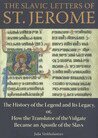
    Slavic Letters of St. Jerome

    The History of the Legend and Its Legacy, or, How the Translator of the Vulgate Became an Apostle of the Slavs

    AvJulia Verkholantsev

    Inbunden, Engelska, 2014

    Del i serien NIU Series in Orthodox Christian Studies

    687 kr

    Beställningsvara. Skickas inom 10-15 vardagar. Fri frakt över 249 kr.

    Beskrivning

    The Slavic Letters of St. Jerome is the first book-length study of the medieval legend that Church Father and biblical translator St. Jerome was a Slav who invented the Slavic (Glagolitic) alphabet and Roman Slavonic rite. Julia Verkholantsev locates the roots of this belief among the Latin clergy in Dalmatia in the 13th century and describes in fascinating detail how Slavic leaders subsequently appropriated it to further their own political agendas. The Slavic language, written in Jerome's alphabet and endorsed by his authority, gained the unique privilege in the Western Church of being the only language other than Latin, Greek, and Hebrew acceptable for use in the liturgy. Such privilege, confirmed repeatedly by the popes, resulted in the creation of narratives about the distinguished historical mission of the Slavs and became a possible means for bridging the divide between the Orthodox and Catholic Churches in the Slavic-speaking lands. In the fourteenth century the legend spread from Dalmatia to Bohemia and Poland, where Glagolitic monasteries were established to honor the Apostle of the Slavs Jerome and the rite and letters he created. The myth of Jerome's apostolate among the Slavs gained many supporters among the learned and spread far and wide, reaching Italy, Spain, Switzerland, and England. Grounded in extensive archival research, Verkholantsev examines the sources and trajectory of the legend of Jerome's Slavic fellowship within a wider context of European historical and theological thought. This unique volume will appeal to medievalists, Slavicists, scholars of religion, those interested in saints' cults, and specialists of philology.

    Produktinformation

    • Utgivningsdatum:2014-09-30
    • Mått:178 x 254 x 24 mm
    • Vikt:907 g
    • Format:Inbunden
    • Språk:Engelska
    • Serie:NIU Series in Orthodox Christian Studies
    • Antal sidor:280
    • Förlag:Cornell University Press
    • ISBN:9780875804859
    • Utmärkelser:Winner of Early Slavic Studies Association Book Prize 2015 (United States)

    Utforska kategorier

    • Religion: allmänt inom Filosofi och religion
    • Kristendom inom Filosofi och religion

    Mer om författaren

    Julia Verkholantsev is Associate Professor in the department of Russian and East European Studies at University of Pennsylvania. She is author of Ruthenica Bohemica.

    Recensioner i media

    The author traces the story of St. Jerome and his letters by means of still existing glagolitic books or manuscripts, through dedication letters and foundation charters, and through certain people like Charles IV or John of Neumarkt who commissioned Slavonic books... this method of using texts to write a history can only be recommended.(The Russian Review) Verkholantsev's inclusive approach and the geographical span of her study offer invaluable depth and texture to the religious history of Western Slavic areas under Roman Catholic jurisdiction, namely Croatia, Bohemia, Silesia and Poland.... Verkholantsev's thorough analysis, based on an impressive bibliography, is a solid contribution to a subject often caught up in competing nationalistic claims.(The Medieval Review) In a fascinating niche work that combines historiography, multiculturalism, hagiography, and linguistics, Verkholantsev charts the history of an idea-the myth of Jerome's role as author of Slavic Christianity-by means of documentary and linguistic analysis of primary sources drawn from Slavic culture.(Choice) This well-researched, original, and accessible book... will prove to be an indispensable contribution and excellent addition to scholarly work available in English on many aspects of medieval and Renaissance Slavic culture.(The Catholic Historical Review) In this handsomely produced and illustrated volume, Verkholantsev weaves the intriguing story of medieval historical interpretations, misinterpretations and downright myths crafted by lowly Croatian Glagolite Benedictine monks known as glagoljasi and taken up by none other than the Holy Roman Emperor Charles IV himself, resulting in the revival of the Glagolitic script in the 13th century and contributing to its survival well into the 1900s.(Journal of Croatian Studies)