• Fri frakt över 249 kr
  • •
  • Snabba leveranser
  • •
  • Billiga böcker
Kundservice

Du är på sajten för privatpersoner.

Företag, bibliotek eller offentlig verksamhet?

Du handlar på classic.bokus.com, där alla dina funktioner finns intakta.
Till classic.bokus.com
Bokus logotyp. Gå till startsidan.
  • Erbjudanden
  • Nyheter
  • Student
  • Topplistor
  • Barn & ungdom
  • Bokus Play
  • E-böcker
  • Pocketböcker
  • Spel & pussel

10% rabatt på allt med kod: NYSTART10 →

Sidfot

Mina sidor

    Hjälp

    • Kundservice
    • Vanliga frågor och svar
    • Frakt och leverans
    • Retur vid ångerrätt
    • Reklamera vara
    • Betalning
    • Köpvillkor
    • Allmänna villkor
    • Information om webbplatsens tillgänglighet

    Om Bokus

    • Om oss
    • Pressrum
    • För studenter
    • För företag
    • För bibliotek och offentlig verksamhet
    • För leverantörer
    • Hållbarhet

    Populärt

    • Aktuella erbjudanden
    • Presentkort
    • Studentlitteratur
    • Nya böcker
    • Topplistor
    • Signerade böcker
    • Engelska böcker

    Inspiration

    • Boktips
    • BookTok
    • Populära bokserier
    • Barnbokskaraktärer
    • Populära författare
    Logotyp för Bokus
    Följ oss på Facebook (extern länk)Följ oss på Instagram (extern länk)Följ oss på YouTube (extern länk)Följ oss på TikTok (extern länk)
    bokus @ CookiesAnpassa cookiesIntegritetspolicyKöpvillkor
    Till Citymail hemsida (extern länk)Till Budbee hemsida (extern länk)Till Postnord hemsida (extern länk)Till Schenker hemsida (extern länk)Till Early Bird hemsida (extern länk)Till Walleys hemsida (extern länk)
    1. Kultur
    2. Scenkonst och film
    3. Teater

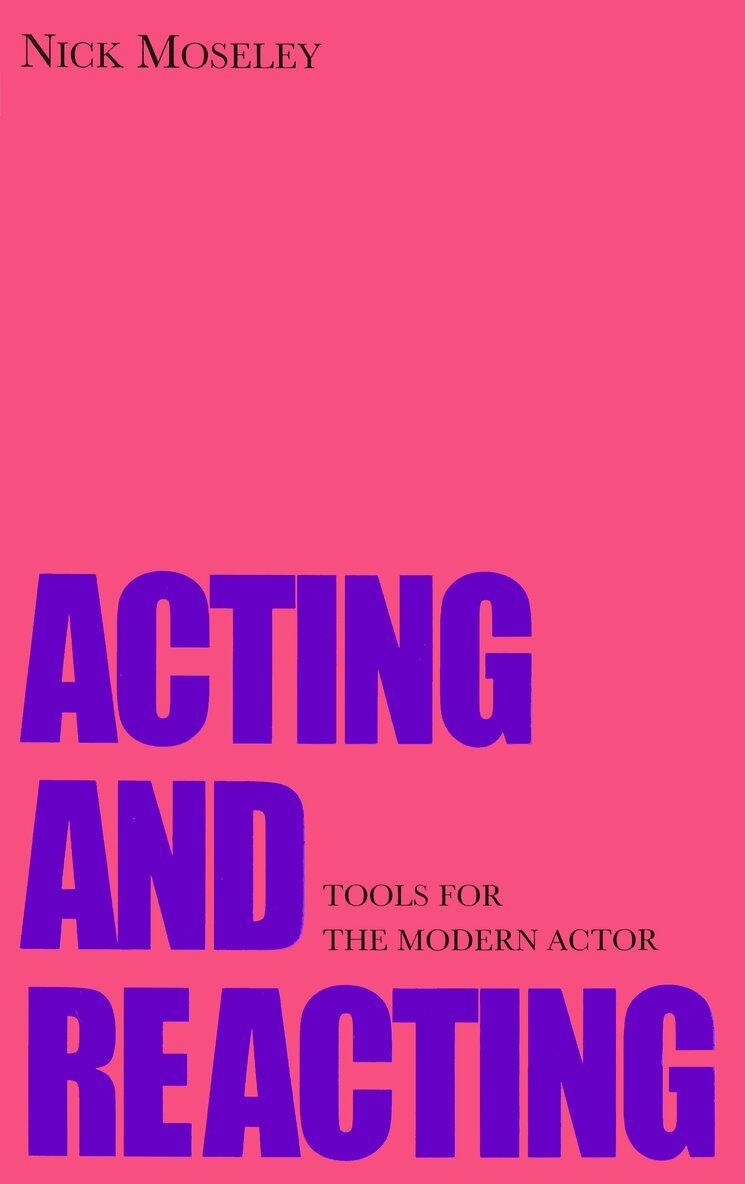
    Acting and Reacting

    Tools for the Modern Actor

    AvNick Moseley

    Inbunden, Engelska, 2006

    2 493 kr

    Beställningsvara. Skickas inom 10-15 vardagar. Fri frakt över 249 kr.

    Fler format och utgåvor

    Häftad

    176 kr

    Beskrivning

    Emoting is not acting. Reproducing is not acting. Reacting is acting. With this powerful idea, Nick Moseley takes long-held views of actor training and opens them up to a productive new way of thinking about performance. Acting and Reacting stimulates thinking and reflection in both acting students and teachers. For too long, argues Nick Moseley, actor training has worked within superimposed concepts: on the one hand, the long tradition of Stanislavski, which has been countered more recently by the strongly anti-Stanislavskian views of David Mamet. Between the two, Moseley writes, is a creative way of thinking about acting that avoids extremes. Training is at the heart of acting, but training must fit the actor, not the other way round. Working with such concepts as emotional openness, trust and acceptance, setting boundaries, and artistic freedom, Acting and Reacting explores in depth techniques and exercises in transactional improvization and other tools for expanding the actor's skill set. With chapters on such important topics as inhabiting the space, learning to trust the body, and defamiliarization, and with ample techniques and suggestions, Acting and Reacting is a valuable tool for both actors and those who train them.

    Produktinformation

    • Utgivningsdatum:2006-02-02
    • Mått:178 x 254 x 24 mm
    • Vikt:385 g
    • Format:Inbunden
    • Språk:Engelska
    • Antal sidor:210
    • Förlag:Taylor & Francis Inc
    • ISBN:9780878302055

    Utforska kategorier

    • Teater inom Kultur
    • Pedagogisk metodik inom Psykologi och pedagogik

    Mer om författaren

    Nick Moseley is Head of Acting at the Italia Conti Academy in London. He studied at Royal Holloway (London University) before becoming first an actor and then a teacher.

    Innehållsförteckning

    • Introduction; Stanislavski the Humanist; Mamet the Modernist; The Space Between; Transactional Improvisation - Part One Transactional Improvisation - Part Two Transactional Improvisation - Part Three The World of the Play; Approaches to Text - Part One Inhabiting the Space; Learning to Trust the Body; Voice and Movement; After Meisner; Approaches to Text - Part Two Defamiliarisation ; Subtext ; Shakespeare and the Actor; Concluding Thoughts; Bibliography