E-bok, Engelska, 2022
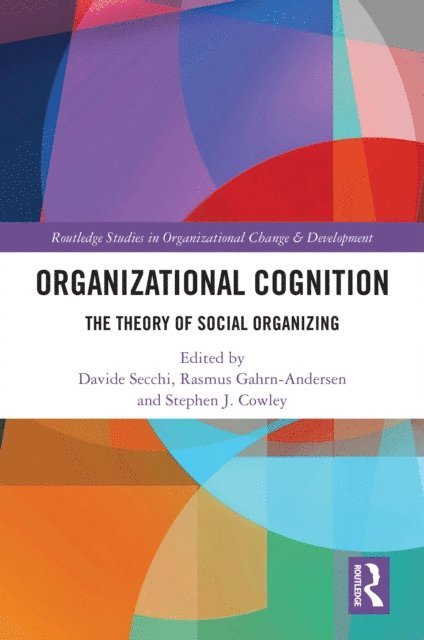
Organizational Cognition
Av Stephen J. Cowley, Rasmus Gahrn-Andersen, Davide Secchi
790 kr
Läs direkt i Bokus Reader – eller ladda ned till din enhet (PDF kräver ofta zoom och scroll på små skärmar).
Beskrivning
Cognition is usually associated with brain activity. Undoubtedly, some brain activity is necessary for it to function. However, the last thirty years have revolutionized the way we intend and think about cognition. These developments allow us to think of cognition as distributed in the sense that it needs tools, artifacts, objects, and other external entities to allow the brain to operate properly. Organizational Cognition: The Theory of Social Organizing takes this perspective and applies it to the organization by introducing a model that defines the elements that allow cognition to work. This model shows that cognition needs the combined and simultaneous presence of micro aspects—i.e. the biological individual—and macro super-structural elements—e.g. organizational climate, culture, norms, values, rules. These two become practice of cognition as they materialize in a meso domain—this is any action that allows individuals to perform their daily duties. Due to the micro-meso-macro interactions, this has been called the 3M Model. Most of what happens in the meso domain relates to exchanges between two or more people, i.e. it is a social activity. This is usually mentioned in the perspectives above, but it is rarely explored.
By bringing meso activities to the center of cognition, the book develops and presents the Theory of Social Organizing. Not only this is useful to organizational scholars, but it also opens a new path for cognition research.
Produktinformation
- Utgivningsdatum: 2022-09-30
- Språk: Engelska
- Filformat: PDF
- Kopieringsskydd: LCP
- ISBN: 9781000713510
- Förlag: Taylor & Francis
Utforska kategorier
Betyg & recensioner
0 recensioner
Inga recensioner tillgängliga.