E-bok, Engelska, 2023
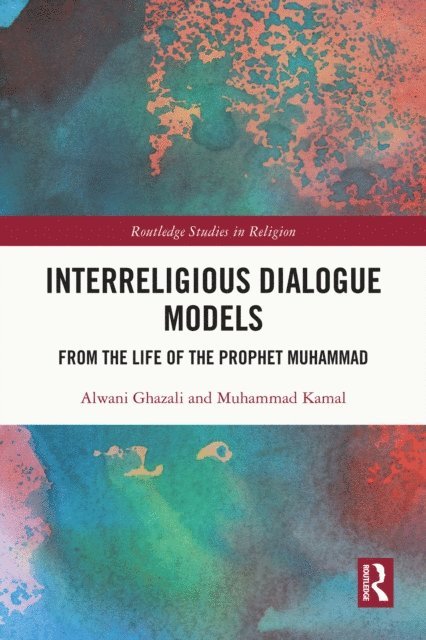
Interreligious Dialogue Models
Av Muhammad Kamal, Alwani Ghazali
813 kr
Läs direkt i Bokus Reader – eller ladda ned till din enhet (PDF kräver ofta zoom och scroll på små skärmar).
Beskrivning
How did the Prophet Muhammad (pbuh) converse and engage with other religious believers? Did he start off with prejudice and mistrust? Or was he convivial and open-minded? This book analyses six models of the dealings in the lifetime of the Prophet Muhammad (pbuh), specifically, but not restricted, to the siblings of Abrahamic religious believers.
The six models of dialogue analysed in the book are dialogue with Ashamah, Najashi of Abyssinia, delegation of Najran Christians, different Jews of Yathrib, and emperors of Byzantine and Sassanid. The analysis applies Ibn Khaldun’s (d. 1406) historical approach which the author termed as Khaldunian Hermeneutics due to the similarity between his ideas to that of Johann Gustav Droysen (d. 1884), a German philosopher, in historical hermeneutics. As such, the analysis goes beyond the dialogue content, taking into consideration the immediate and larger contextual settings, and changes of the contexts due to the passage of time. It critically considers the suitability of each model due to the difference in times and contexts.
The book serves as a reference for Muslim dialogue advocates and practitioners, to provide substantial evidence of the dialogue application by the role model of Muslims – the Prophet Muhammad (pbuh) whom they hold very dear to their hearts.
Produktinformation
- Utgivningsdatum: 2023-12-15
- Språk: Engelska
- Filformat: PDF
- Kopieringsskydd: LCP
- ISBN: 9781003812067
- Förlag: Taylor & Francis
Utforska kategorier
Betyg & recensioner
0 recensioner
Inga recensioner tillgängliga.