Alwani Ghazali – författare
Visar alla böcker från författaren Alwani Ghazali. Handla med fri frakt och snabb leverans.
4 produkter
Interreligious Dialogue Models
From the Life of the Prophet Muhammad
Av Muhammad Kamal, Alwani Ghazali
E-bok, 2023
813 kr
Lägg i varukorg
How did the Prophet Muhammad (pbuh) converse and engage with other religious believers? Did he start off with prejudice and mistrust? Or was he convivial and open-minded? This book analyses six models of the dealings in the lifetime of the Prophet Muhammad (pbuh), specifically, but not restricted, …
Interreligious Dialogue Models
From the Life of the Prophet Muhammad
Av Muhammad Kamal, Alwani Ghazali
E-bok, 2023
831 kr
Lägg i varukorg
How did the Prophet Muhammad (pbuh) converse and engage with other religious believers? Did he start off with prejudice and mistrust? Or was he convivial and open-minded? This book analyses six models of the dealings in the lifetime of the Prophet Muhammad (pbuh), specifically, but not restricted, …
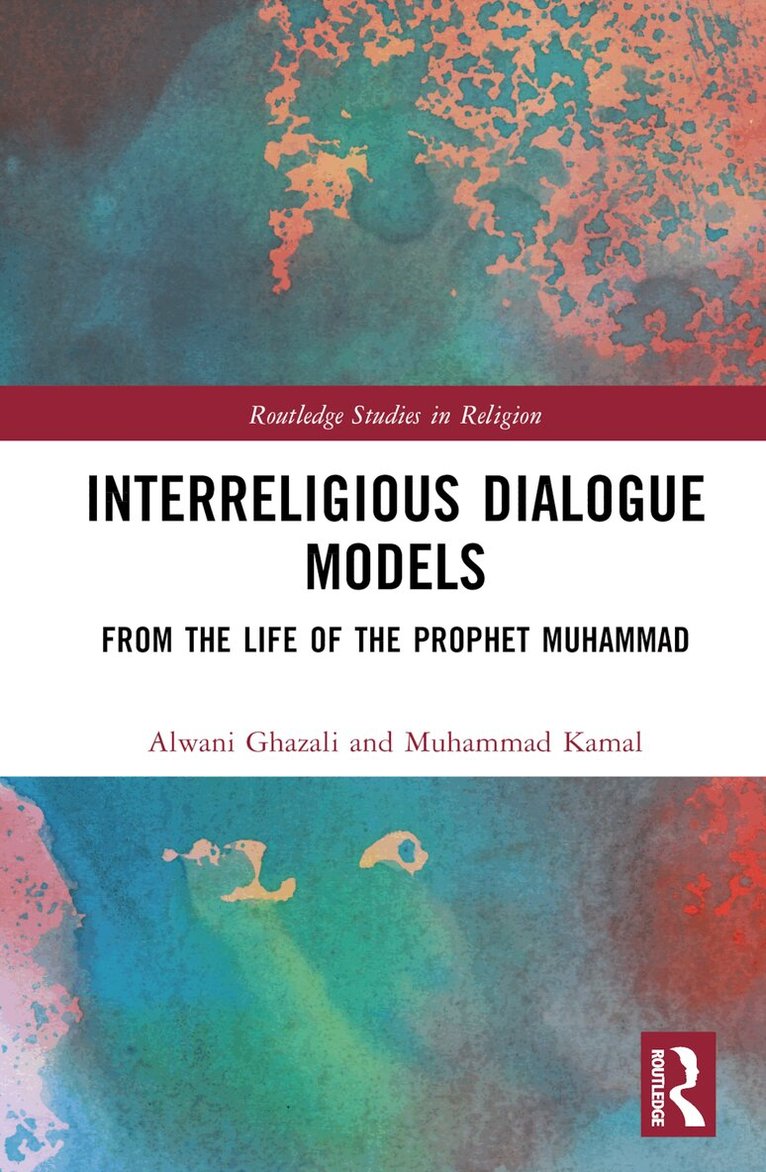
Interreligious Dialogue Models
From the Life of the Prophet Muhammad
Av Alwani Ghazali, Muhammad Kamal
Inbunden, 2023
2510 kr
Lägg i varukorg
How did the Prophet Muhammad (pbuh) converse and engage with other religious believers? Did he start off with prejudice and mistrust? Or was he convivial and open-minded? This book analyses six models of the dealings in the lifetime of the Prophet Muhammad (pbuh), specifically, but not restricted, …
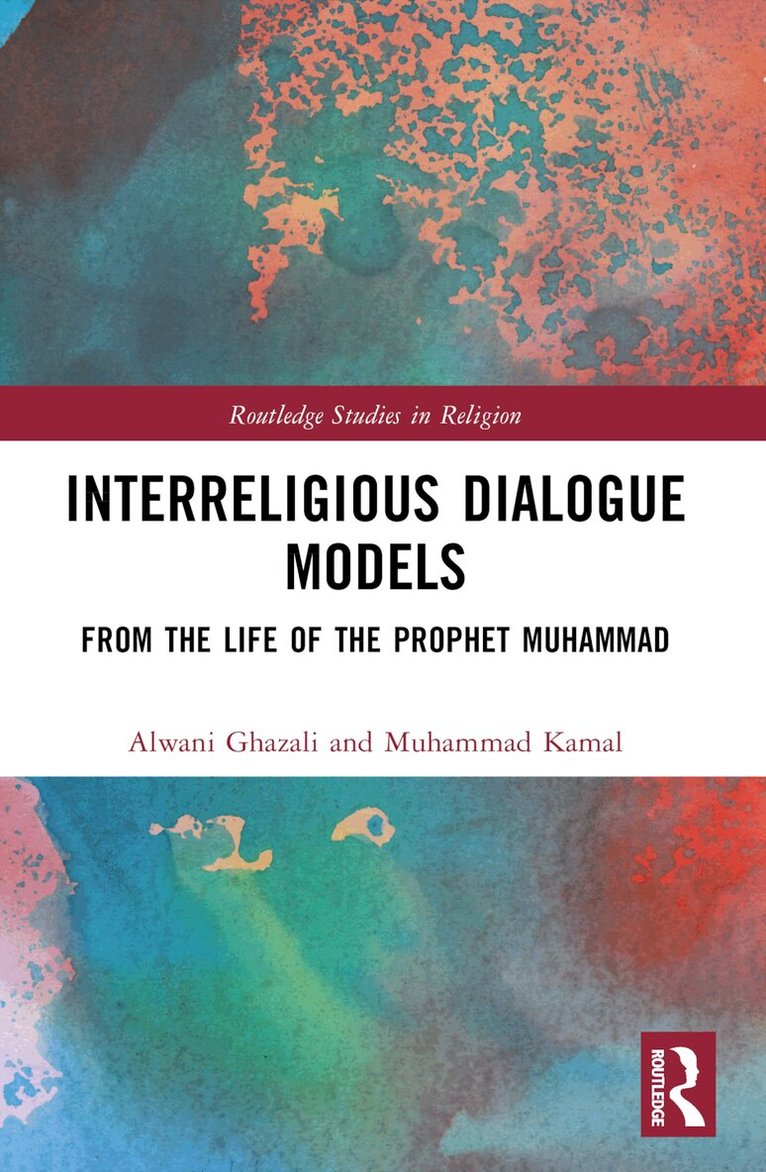
Interreligious Dialogue Models
From the Life of the Prophet Muhammad
Av Alwani Ghazali, Muhammad Kamal
Häftad, 2025
705 kr
Lägg i varukorg
How did the Prophet Muhammad (pbuh) converse and engage with other religious believers? Did he start off with prejudice and mistrust? Or was he convivial and open-minded? This book analyses six models of the dealings in the lifetime of the Prophet Muhammad (pbuh), specifically, but not restricted, …