• Fri frakt över 249 kr
  • •
  • Snabba leveranser
  • •
  • Billiga böcker
Kundservice

Du är på sajten för privatpersoner.

Företag, bibliotek eller offentlig verksamhet?

Du handlar på classic.bokus.com, där alla dina funktioner finns intakta.
Till classic.bokus.com
Bokus logotyp. Gå till startsidan.
  • Erbjudanden
  • Nyheter
  • Student
  • Topplistor
  • Barn & ungdom
  • Bokus Play
  • E-böcker
  • Pocketböcker
  • Spel & pussel

10% rabatt på allt med kod: NYSTART10 →

Sidfot

Mina sidor

    Hjälp

    • Kundservice
    • Vanliga frågor och svar
    • Frakt och leverans
    • Retur vid ångerrätt
    • Reklamera vara
    • Betalning
    • Köpvillkor
    • Allmänna villkor
    • Information om webbplatsens tillgänglighet

    Om Bokus

    • Om oss
    • Pressrum
    • För studenter
    • För företag
    • För bibliotek och offentlig verksamhet
    • För leverantörer
    • Hållbarhet

    Populärt

    • Aktuella erbjudanden
    • Presentkort
    • Studentlitteratur
    • Nya böcker
    • Topplistor
    • Signerade böcker
    • Engelska böcker

    Inspiration

    • Boktips
    • BookTok
    • Populära bokserier
    • Barnbokskaraktärer
    • Populära författare
    Logotyp för Bokus
    Följ oss på Facebook (extern länk)Följ oss på Instagram (extern länk)Följ oss på YouTube (extern länk)Följ oss på TikTok (extern länk)
    bokus @ CookiesAnpassa cookiesIntegritetspolicyKöpvillkor
    Till Citymail hemsida (extern länk)Till Budbee hemsida (extern länk)Till Postnord hemsida (extern länk)Till Schenker hemsida (extern länk)Till Early Bird hemsida (extern länk)Till Walleys hemsida (extern länk)
    1. Historia och arkeologi
    2. Historia
    3. Historia: särskilda händelser och ämnen
    4. Kolonialism och imperialism

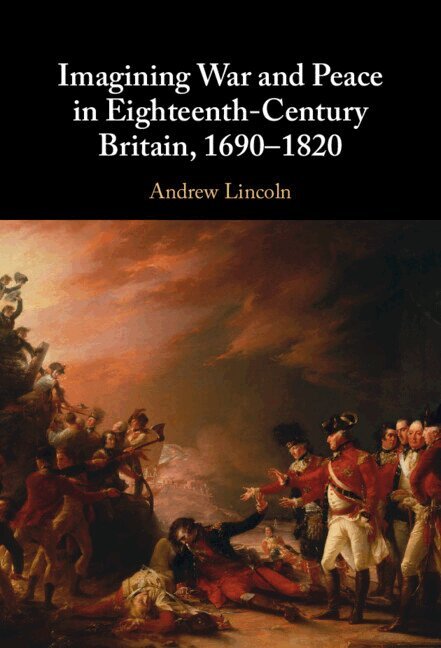
    Imagining War and Peace in Eighteenth-Century Britain, 1690-1820

    AvAndrew Lincoln

    Inbunden, Engelska, 2023

    1 381 kr

    Beställningsvara. Skickas inom 10-15 vardagar. Fri frakt över 249 kr.

    Fler format och utgåvor

    E-bok

    1 615 kr

    E-bok

    1 615 kr

    Beskrivning

    Ranging over political, moral, religious, artistic and literary developments in eighteenth-century Britain, Andrew Lincoln explains in a clear and engaging style how the 'civilizing process' and the rise of humanitarianism, far from inhibiting war, helped to make it acceptable to a modern commercial society. In a close examination of a wide variety of illuminating examples, he shows how criticism of the terrible effects of war could be used to promote the nation's war-making. His study explores how ideas and methods were developed to provide the British public with moral insulation from the overseas violence they read about, and from the dire effects of war they encountered at home. It shows, too, how the first campaigning peace society, while promoting pacificism, drew inspiration from the prospects opened by imperial conquest. This volume is an important and timely call to rethink how we understand the cultural and moral foundations of imperial Britain.

    Produktinformation

    • Utgivningsdatum:2023-11-23
    • Mått:155 x 235 x 20 mm
    • Vikt:640 g
    • Format:Inbunden
    • Språk:Engelska
    • Antal sidor:314
    • Förlag:Cambridge University Press
    • ISBN:9781009366540

    Utforska kategorier

    • Kolonialism och imperialism inom Historia och arkeologi
    • Europas historia inom Historia och arkeologi
    • Filosofiska discipliner inom Filosofi och religion

    Mer om författaren

    Andrew Lincoln is Emeritus Professor of English at Queen Mary, University of London. He has previously published on William Blake, including a 1992 edition of Songs of Innocence and Experience and the monograph Spiritual History (1996), and on Walter Scott, with his monograph Walter Scott and Modernity (2007). His current research focuses on eighteenth-century responses to war and ideas about how to achieve peace.

    Recensioner i media

    'Lincoln's book has at its heart a fascinating question: how do eighteenth-century Britons manage at the same time to see themselves as increasingly civilized and as almost perpetually committed to war? In clear, strong prose, Lincoln moves across the long eighteenth century, tackling both a wide range of literary texts and other cultural works including philosophy and journalism and treating both hypercanonical authors (such as Austen) and texts clearly deserving more attention (Richard Glover's Leonidas). Avoiding a reductive binary between war and civilization, he provides a panoramic view of how Britons thought about war and dreamed of peace.' Jeffrey Cox, Distinguished Professor of English and Humanities, University of Colorado, Boulder

    Innehållsförteckning

    • I. Developing Ideals: 1. The Culture of War and Civil Society, from William III to George I; 2. War and the Culture of Politeness: The Case of The Tatler and the Spectator; 3. Sacrifice: Heroism and Mourning; 4. Sacrifice: Christian Heroes; II. Developing Questions: 5. War and the 'Elevation' of the Novel; 6. War and the 'Science of Man'; III. War and Peace in an Age of Revolutions: 7. Complicities in the Novel; 8. Saving Individual Virtue; 9. Saving Communal Virtue; 10. The ideal of Non-resistance; IV. The Landscape of Conquest: 11. A Case Study: Gibraltar.