• Fri frakt över 249 kr
  • •
  • Snabba leveranser
  • •
  • Billiga böcker
Kundservice

Du är på sajten för privatpersoner.

Företag, bibliotek eller offentlig verksamhet?

Du handlar på classic.bokus.com, där alla dina funktioner finns intakta.
Till classic.bokus.com
Bokus logotyp. Gå till startsidan.
  • Erbjudanden
  • Nyheter
  • Student
  • Topplistor
  • Barn & ungdom
  • Bokus Play
  • E-böcker
  • Pocketböcker
  • Spel & pussel

10% studentrabatt med kod TERM26

Sidfot

Mina sidor

    Hjälp

    • Kundservice
    • Vanliga frågor och svar
    • Frakt och leverans
    • Retur vid ångerrätt
    • Reklamera vara
    • Betalning
    • Köpvillkor
    • Allmänna villkor
    • Information om webbplatsens tillgänglighet

    Om Bokus

    • Om oss
    • Pressrum
    • För studenter
    • För företag
    • För bibliotek och offentlig verksamhet
    • För leverantörer
    • Hållbarhet

    Populärt

    • Aktuella erbjudanden
    • Presentkort
    • Studentlitteratur
    • Nya böcker
    • Topplistor
    • Signerade böcker
    • Engelska böcker

    Inspiration

    • Boktips
    • BookTok
    • Populära bokserier
    • Barnbokskaraktärer
    • Populära författare
    Logotyp för Bokus
    Följ oss på Facebook (extern länk)Följ oss på Instagram (extern länk)Följ oss på YouTube (extern länk)Följ oss på TikTok (extern länk)
    bokus @ CookiesAnpassa cookiesIntegritetspolicyKöpvillkor
    Till Citymail hemsida (extern länk)Till Budbee hemsida (extern länk)Till Postnord hemsida (extern länk)Till Schenker hemsida (extern länk)Till Early Bird hemsida (extern länk)Till Walleys hemsida (extern länk)
    1. Filosofi och religion
    2. Religion och tro
    3. Religion: allmänt

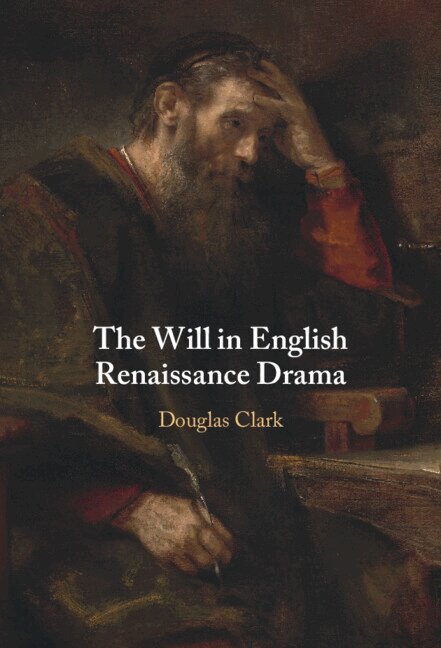
    The Will in English Renaissance Drama

    AvDouglas Clark

    Inbunden, Engelska, 2025

    1 396 kr

    Beställningsvara. Skickas inom 10-15 vardagar. Fri frakt över 249 kr.

    Beskrivning

    Douglas Clark reveals how moments of willing and will-making pervade English Renaissance drama and play a crucial role in the depiction of selfhood, sin, sociality, and succession. This wide-ranging study synthesizes concepts from historical, legal, philosophical, and theological studies to examine the dramatic performance of the will as both an internal faculty and a legal document. Clark establishes the diverse connections that Shakespeare, Jonson, Middleton, and a range of overlooked playwrights of the early Elizabethan era made between different types and understandings of the will. By doing so, he reveals the little-understood ethical issues to which they gave rise in relation to the mind, emotions, and soul. Understanding the purpose of the will in its multiple forms was a central concern for writers of the time, and Clark shows how this concern profoundly shaped the depiction of life and death in both Elizabethan and Jacobean drama. This title is part of the Flip It Open programme and may also be available as open access. Check our website Cambridge Core for details.

    Produktinformation

    • Utgivningsdatum:2025-09-18
    • Mått:160 x 235 x 16 mm
    • Vikt:450 g
    • Format:Inbunden
    • Språk:Engelska
    • Antal sidor:208
    • Förlag:Cambridge University Press
    • ISBN:9781009390941

    Utforska kategorier

    • Religion: allmänt inom Filosofi och religion
    • Testamente och arvsrätt inom Juridik
    • Litteraturvetenskap inom Skönlitteratur

    Mer om författaren

    Douglas Clark is a tutor in English Literature at the University of Oxford. He has published widely on English Renaissance drama and poetry. His scholarship has been supported through awards and fellowships at the Folger Shakespeare Library, the John Rylands Research Institute, the Newberry Library and the Rare Book School.

    Recensioner i media

    'A carefully researched, clearly-written, and wide-ranging account of the will as both a psychological faculty and as a testamentary device in a variety of early modern English plays.' Katharine Eisaman Maus, James Branch Cabell Professor of English, University of Virginia

    Innehållsförteckning

    • Introduction: where there is a will; 1. The personified will; 2. Punishing the transgressive will; 3. Testamentary drama; 4. Last wills and remembrance; Conclusion: no end?; Bibliography; Index.