• Fri frakt över 249 kr
  • •
  • Snabba leveranser
  • •
  • Billiga böcker
Kundservice

Du är på sajten för privatpersoner.

Företag, bibliotek eller offentlig verksamhet?

Du handlar på classic.bokus.com, där alla dina funktioner finns intakta.
Till classic.bokus.com
Bokus logotyp. Gå till startsidan.
  • Erbjudanden
  • Nyheter
  • Student
  • Topplistor
  • Barn & ungdom
  • Bokus Play
  • E-böcker
  • Pocketböcker
  • Spel & pussel

10% rabatt på allt med kod: NYSTART10 →

Sidfot

Mina sidor

    Hjälp

    • Kundservice
    • Vanliga frågor och svar
    • Frakt och leverans
    • Retur vid ångerrätt
    • Reklamera vara
    • Betalning
    • Köpvillkor
    • Allmänna villkor
    • Information om webbplatsens tillgänglighet

    Om Bokus

    • Om oss
    • Pressrum
    • För studenter
    • För företag
    • För bibliotek och offentlig verksamhet
    • För leverantörer
    • Hållbarhet

    Populärt

    • Aktuella erbjudanden
    • Presentkort
    • Studentlitteratur
    • Nya böcker
    • Topplistor
    • Signerade böcker
    • Engelska böcker

    Inspiration

    • Boktips
    • BookTok
    • Populära bokserier
    • Barnbokskaraktärer
    • Populära författare
    Logotyp för Bokus
    Följ oss på Facebook (extern länk)Följ oss på Instagram (extern länk)Följ oss på YouTube (extern länk)Följ oss på TikTok (extern länk)
    bokus @ CookiesAnpassa cookiesIntegritetspolicyKöpvillkor
    Till Citymail hemsida (extern länk)Till Budbee hemsida (extern länk)Till Postnord hemsida (extern länk)Till Schenker hemsida (extern länk)Till Early Bird hemsida (extern länk)Till Walleys hemsida (extern länk)
    1. Psykologi och pedagogik
    2. Psykologi
    3. Psykologi: känslor

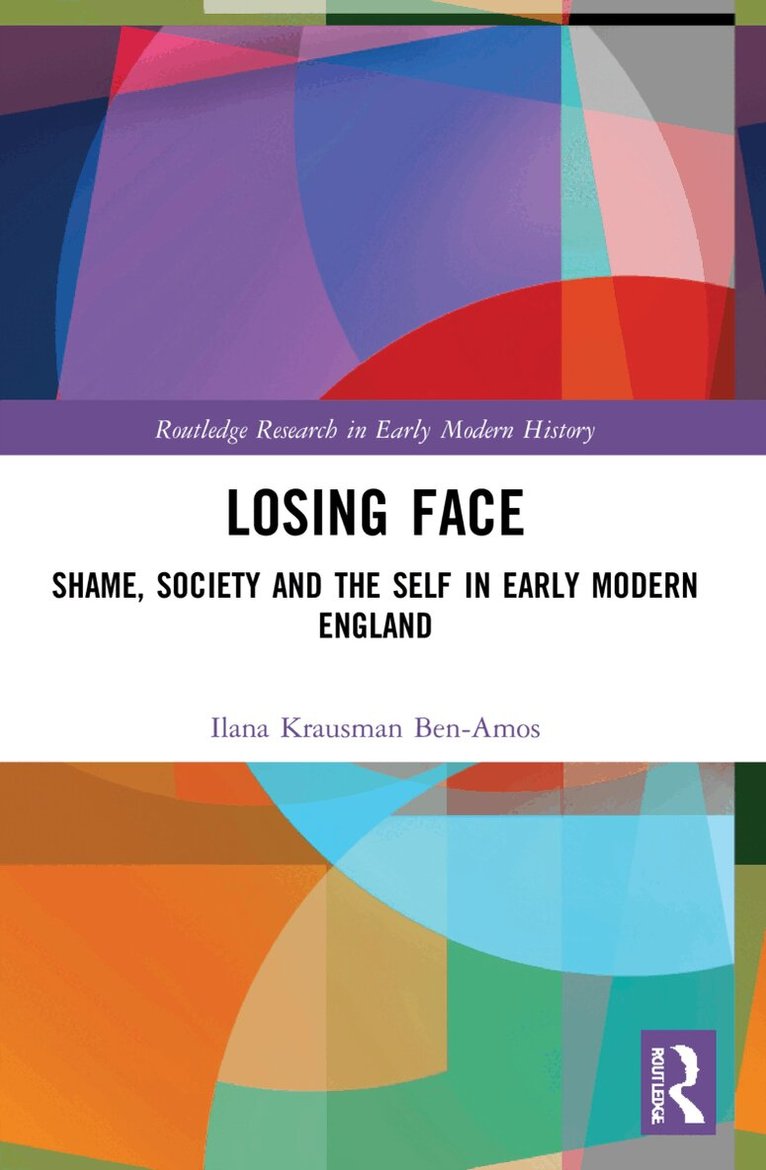
    Losing Face

    Shame, Society and the Self in Early Modern England

    AvIlana Krausman Ben-Amos

    Häftad, Engelska, 2023

    Del i serien Routledge Research in Early Modern History

    607 kr

    Beställningsvara. Skickas inom 10-15 vardagar. Fri frakt över 249 kr.

    Fler format och utgåvor

    E-bok

    760 kr

    E-bok

    760 kr

    Inbunden

    2 493 kr

    Beskrivning

    This book is a study of shame in English society in the two centuries between c.1550 and c.1750, demonstrating the ubiquity and powerful hold it had on contemporaries over the entire era. Using insights drawn from the social sciences, the book investigates multiple meanings and manifestations of shame in everyday lives and across private and public domains, exploring the practice and experience of shame in devotional life and family relations, amid social networks, and in communities or the public at large. The book pays close attention to variations and distinctive forms of shame, while also uncovering recurring patterns, a spectrum ranging from punitive, exclusionary and coercive shame through more conciliatory, lenient and inclusive forms. Placing these divergent forms in the context of the momentous social and cultural shifts that unfolded over the course of the era, the book challenges perceptions of the waning of shame in the transition from early modern to modern times, arguing instead that whereas some modes of shame diminished or disappeared, others remained vital, were reformulated and vastly enhanced.

    Produktinformation

    • Utgivningsdatum:2023-09-25
    • Mått:156 x 234 x 18 mm
    • Vikt:480 g
    • Format:Häftad
    • Språk:Engelska
    • Serie:Routledge Research in Early Modern History
    • Antal sidor:254
    • Förlag:Taylor & Francis Ltd
    • ISBN:9781032129273

    Utforska kategorier

    • Psykologi: känslor inom Psykologi och pedagogik

    Mer om författaren

    Ilana Krausman Ben-Amos is Professor (emerita) of History at the Department of History, Ben-Gurion University of the Negev. Her publications include Adolescence and Youth in Early Modern England (1994), and The Culture of Giving: Informal Support and Gift-Exchange in Early Modern England (2008).

    Innehållsförteckning

    • 1. Constructions of Shame 2. Puritans and the Experience of Shame 3. Family, Networks and Shame 4. Commercial Enterprise and Exchange 5. Communities as Sites of Shame 6. Crime Narratives and Shame 7. Transformations of Shame