• Fri frakt över 249 kr
  • •
  • Snabba leveranser
  • •
  • Billiga böcker
Kundservice

Du är på sajten för privatpersoner.

Företag, bibliotek eller offentlig verksamhet?

Du handlar på classic.bokus.com, där alla dina funktioner finns intakta.
Till classic.bokus.com
Bokus logotyp. Gå till startsidan.
  • Erbjudanden
  • Nyheter
  • Student
  • Topplistor
  • Barn & ungdom
  • Bokus Play
  • E-böcker
  • Pocketböcker
  • Spel & pussel

10% rabatt på allt med kod: NYSTART10 →

Sidfot

Mina sidor

    Hjälp

    • Kundservice
    • Vanliga frågor och svar
    • Frakt och leverans
    • Retur vid ångerrätt
    • Reklamera vara
    • Betalning
    • Köpvillkor
    • Allmänna villkor
    • Information om webbplatsens tillgänglighet

    Om Bokus

    • Om oss
    • Pressrum
    • För studenter
    • För företag
    • För bibliotek och offentlig verksamhet
    • För leverantörer
    • Hållbarhet

    Populärt

    • Aktuella erbjudanden
    • Presentkort
    • Studentlitteratur
    • Nya böcker
    • Topplistor
    • Signerade böcker
    • Engelska böcker

    Inspiration

    • Boktips
    • BookTok
    • Populära bokserier
    • Barnbokskaraktärer
    • Populära författare
    Logotyp för Bokus
    Följ oss på Facebook (extern länk)Följ oss på Instagram (extern länk)Följ oss på YouTube (extern länk)Följ oss på TikTok (extern länk)
    bokus @ CookiesAnpassa cookiesIntegritetspolicyKöpvillkor
    Till Citymail hemsida (extern länk)Till Budbee hemsida (extern länk)Till Postnord hemsida (extern länk)Till Schenker hemsida (extern länk)Till Early Bird hemsida (extern länk)Till Walleys hemsida (extern länk)
    1. Kultur
    2. Arkitektur
    3. Arkitekturhistoria

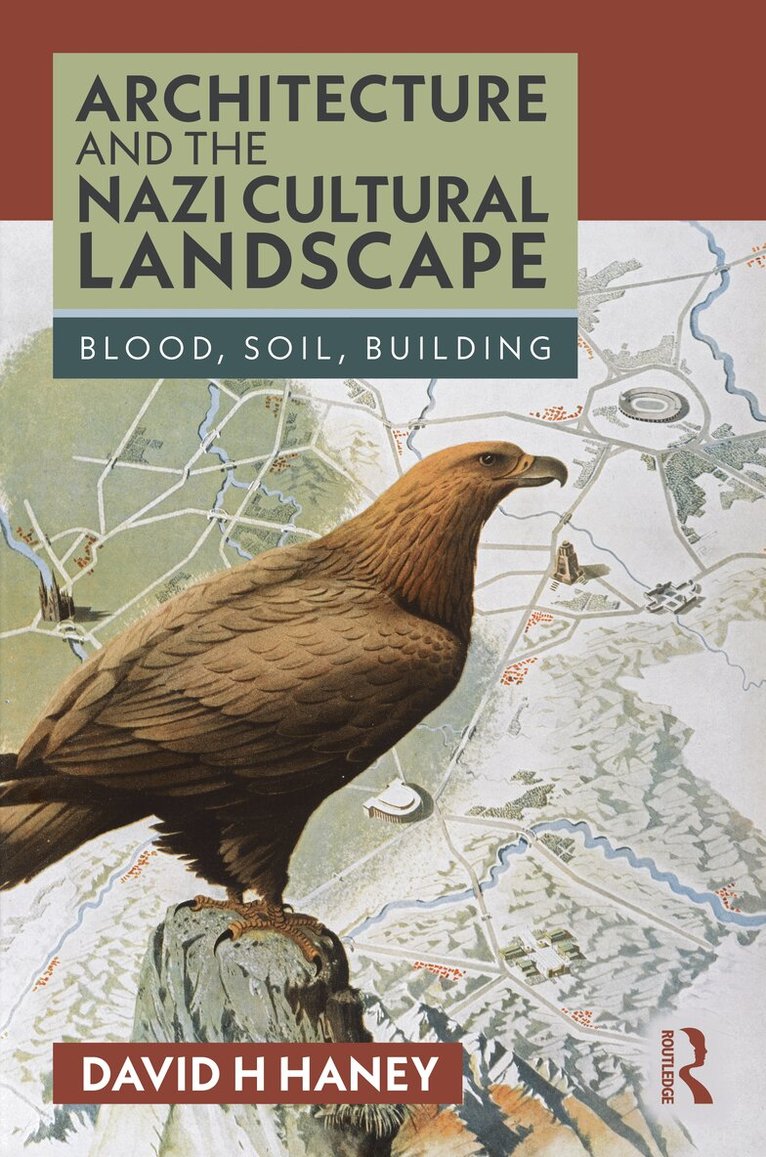
    Architecture and the Nazi Cultural Landscape

    Blood, Soil, Building

    AvDavid H. Haney

    Häftad, Engelska, 2022

    614 kr

    Beställningsvara. Skickas inom 10-15 vardagar. Fri frakt över 249 kr.

    Fler format och utgåvor

    E-bok

    725 kr

    E-bok

    693 kr

    Inbunden

    2 493 kr

    Beskrivning

    This book traces cultural landscape as the manifestation of the state and national community under the Nazi regime, and how the Nazi era produced what could be referred to as a totalitarian cultural landscape.For the Nazi regime, cultural landscape was indeed a heritage resource, but it was much more than that: cultural landscape was the nation. The project of Nazi racial purification and cultural renewal demanded the physical reshaping and reconceptualization of the existing environment to create the so-called "new Nazi cultural landscape." One of the most important components of this was a set of monumental sites thought to embody blood and soil beliefs through the harmonious synthesis of architecture and landscape. This special group of "landscape-bound" architectural complexes was interconnected by the new autobahn highway system, itself thought to be a monumental work embedded in nature. Behind this intentionally aestheticized view of the nation as cultural landscape lay the all-pervasive system of deception and violence that characterized the emerging totalitarian state.This is the first historical study to consider the importance of these monumental sites together with the autobahn as evidence of key Nazi cultural and geographic strategies during the pre-war years. This book concludes by examining racial and nationalistic themes underlying cultural landscape concepts today, against this historic background.

    Produktinformation

    • Utgivningsdatum:2022-09-13
    • Mått:156 x 234 x 28 mm
    • Vikt:680 g
    • Format:Häftad
    • Språk:Engelska
    • Antal sidor:358
    • Förlag:Taylor & Francis Ltd
    • ISBN:9781032276939

    Utforska kategorier

    • Arkitekturhistoria inom Kultur
    • Landskapsarkitektur inom Kultur
    • Europas historia inom Historia och arkeologi

    Mer om författaren

    David H. Haney is an architectural historian whose research focuses on the relationship between architecture, landscape, ecology, and geography. His monograph on the German modernist landscape architect Leberecht Migge (1881–1935), When Modern was Green (Routledge, 2010), was the first study to reassert the critical role of ecological thinking in Weimar modern architecture. He received his PhD in Architecture from the University of Pennsylvania (US) in 2005 and his Master of Environmental Design from Yale University (US) in 1995. From 2005 to 2018 he taught in the architecture schools of the University of Kent and Newcastle University in England. He has lectured widely and has been the recipient of a number of awards including a Leverhulme Trust Research Fellowship (2015–2016) and the SAH Elisabeth Blair MacDougall Award (2013).

    Recensioner i media

    "The formal power of buildings in Nazi Germany has tended to focus historical attention upon the architecture at the expense of understanding the larger sites in which they were located. In this fascinating account, Haney forensically examines a range of ‘cultural landscapes’ each conceived to express an aspect of Nazi mythology."Professor Murray Fraser, The Bartlett School of Architecture, University College London"This meticulously researched book alerts us to the geopolitical underpinnings of the National Socialist cultural landscape. Never one to bore his audience, David Haney will transform the way in which historians and general readers understand Nazi architectural production."Associate Professor Ian Klinke, School of Geography and the Environment, University of Oxford

    Innehållsförteckning

    • Introduction; 1. From Ratzel to Hitler: Biographical Influences, Geopolitics, and Cultural Landscape; 2. Veins of the Nation: The Nazi Autobahn as Geopolitical Propaganda Device; 3. From Sports Park to Sacred Grove: Embedding the Mass Spectacle in the German Landscape; 4. "Secret Societies Established in Broad Daylight": Symbolic Fortifications as Nazi Institutional Sites; 5. Venerating the Blood-Soaked Soil: Monumentalized Landscapes as Memorials; Conclusion