• Fri frakt över 249 kr
  • •
  • Snabba leveranser
  • •
  • Billiga böcker
Kundservice

Du är på sajten för privatpersoner.

Företag, bibliotek eller offentlig verksamhet?

Du handlar på classic.bokus.com, där alla dina funktioner finns intakta.
Till classic.bokus.com
Bokus logotyp. Gå till startsidan.
  • Erbjudanden
  • Nyheter
  • Student
  • Topplistor
  • Barn & ungdom
  • Bokus Play
  • E-böcker
  • Pocketböcker
  • Spel & pussel

10% rabatt på allt med kod NYSTART10 →

Sidfot

Mina sidor

    Hjälp

    • Kundservice
    • Vanliga frågor och svar
    • Frakt och leverans
    • Retur vid ångerrätt
    • Reklamera vara
    • Betalning
    • Köpvillkor
    • Allmänna villkor
    • Information om webbplatsens tillgänglighet

    Om Bokus

    • Om oss
    • Pressrum
    • För studenter
    • För företag
    • För bibliotek och offentlig verksamhet
    • För leverantörer
    • Hållbarhet

    Populärt

    • Aktuella erbjudanden
    • Presentkort
    • Studentlitteratur
    • Nya böcker
    • Topplistor
    • Signerade böcker
    • Engelska böcker

    Inspiration

    • Boktips
    • BookTok
    • Populära bokserier
    • Barnbokskaraktärer
    • Populära författare
    Logotyp för Bokus
    Följ oss på Facebook (extern länk)Följ oss på Instagram (extern länk)Följ oss på YouTube (extern länk)Följ oss på TikTok (extern länk)
    bokus @ CookiesAnpassa cookiesIntegritetspolicyKöpvillkor
    Till Citymail hemsida (extern länk)Till Budbee hemsida (extern länk)Till Postnord hemsida (extern länk)Till Schenker hemsida (extern länk)Till Early Bird hemsida (extern länk)Till Walleys hemsida (extern länk)
    1. Samhälle och politik
    2. Social välfärd och brottslighet
    3. Socialt arbete och välfärd

    Humanitarian Parent

    Balancing Work and Family in the Aid Sector

    AvMerit Hietanen

    Inbunden, Engelska, 2023

    Del i serien Routledge Humanitarian Studies

    2 423 kr

    Beställningsvara. Skickas inom 10-15 vardagar. Fri frakt över 249 kr.

    Fler format och utgåvor

    E-bok

    691 kr

    E-bok

    691 kr

    Häftad

    569 kr

    Beskrivning

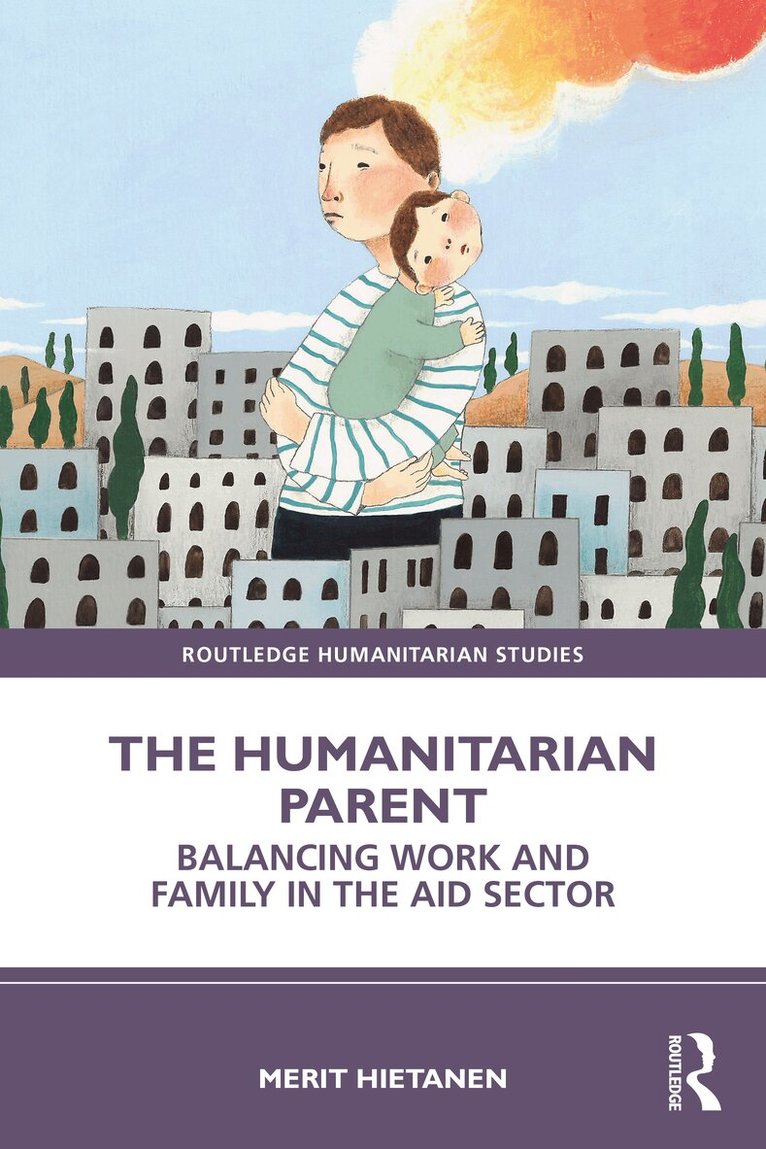
    Aid sector staff work in some of the world’s most challenging environments, from conflict zones to sites of natural disaster and refugee camps. For a long time, the aid worker was typified by the lone white male, flying from place to place and seeing his family during the holidays. But now, as the world changes and the sector diversifies, how can family life be reconciled with the challenges and travel commitments of this particularly difficult career? This book delves deep into these challenges, exposing the problems that persist and pointing a path for organisations to adopt a more human-centred, staff-centred, parent-centred, feminist approach to humanitarian and development work. Drawing on the author’s own experiences as an aid worker, as well as extensive original interviews and desk research, the book looks at the challenges faced by those who aspire to a family life, from finding a partner who is willing and able to live in the same location, to dating in difficult contexts, to being away from home and extended family, finding child care, and settling children in new countries and cultures. Local workers face their own challenges, often suffering from a lack of support in comparison to their international colleagues. For many, the cost is too great, and the sector suffers from a brain drain as experienced staff leave. It doesn’t need to be this way. The book points a way for organisations to adopt policies that support mothers and fathers. As well as being a useful guide for aid professionals who are themselves navigating these issues, the book will be perfect for organisations looking to reform and for students wishing to understand the realities of a career in aid.

    Produktinformation

    • Utgivningsdatum:2023-11-13
    • Mått:156 x 234 x 21 mm
    • Vikt:540 g
    • Format:Inbunden
    • Språk:Engelska
    • Serie:Routledge Humanitarian Studies
    • Antal sidor:282
    • Förlag:Taylor & Francis Ltd
    • ISBN:9781032294384

    Utforska kategorier

    • Socialt arbete och välfärd inom Samhälle och politik
    • Relationer inom Hälsa och familj
    • Uppfostran inom Hälsa och familj

    Mer om författaren

    Merit Hietanen is a gender and protection expert with over ten years of experience in the humanitarian and development sectors, working for organisations such as UNRWA, UN Women, and the International Rescue Committee in Gaza, Jordan, cross-border Syria, Cameroon, and Myanmar. Most recently, she has been advising the Finnish Foreign Ministry on their co-chairpersonship of the Good Humanitarian Donorship Initiative. Merit has specialised in issues around women’s protection, gender equality, and gender-based violence and also has experience in humanitarian coordination, WASH programming and communications. Merit is passionate about humanitarian sector reform and finding local solutions to issues of gender equality, including in her home country, Finland, where she is the vice president of the Feminist Association Union.

    Recensioner i media

    The Humanitarian Parent is a watershed addition to the discourse about what it means to be human and purposeful in the humanitarian sector. Hietanen left no stone unturned. The Humanitarian Parent provides a provocative glimpse into what are at once the deeply personal and yet systemic contradictions, paradoxes and intersectionality of parenting in the humanitarian sector.Lucy Ellis, Founder of AidMamas, the global community of mothers in the humanitarian and international development sectorThe Humanitarian Parent is an important contribution for its critique of the organizational culture in the humanitarian sector through a feminist lens and neo-colonial lens. Through its honest and very relatable anecdotes, it is a moving and genuine conversation around the ‘perfect’ humanitarian vis a vis the needs of the affected community, and if appealing to traditional humanitarian archetypes weighs down efforts of fostering genuine progress in the sector.Dr Jessica Hazelwood, Humanitarian Expert This book was so much needed! And it is urgent for all of us to read it. Merit describes the struggle of many of us, parents in the humanitarian field, with depth and empathy, with a broad perspective that, while it acknowledges privileges and advantages of many of us, it bring us together on the challenges we face when becoming parents. Virginia Perez, Chief of Program, UN. Mother of two If you work in the humanitarian or development sector, you need to read this book, irrespective of whether you have children or not. Merit Hietanen depicts compellingly the dire need for a more feminist, anti-colonial, and overall more humane working culture and offers insights into getting there.Liisa Ketolainen, Specialist in gender equality and international relationsIn The Humanitarian Parent, the author explores the realities faced by individuals working in theaid sector, challenging the traditional narrative of a male-dominated field. Drawing on personalexperiences and research, the book sheds light on the complex dynamics of balancingprofessional responsibilities with parenthood. It highlights the increasing presence of womenand mothers in the aid sector, while acknowledging the unique challenges they face. The bookalso addresses the lack of support for working mothers and the impact of cultural norms onwomen’s ability to balance work and family life. Overall, The Humanitarian Parent offers valuableinsights into the intersection of gender, parenthood, and humanitarian work, emphasizing theimportance of supporting gender equality and family-friendly policies in the workplace. Mays Nawayseh, Humanitarian Specialist, MotherMany of us, humanitarians, will recognise bits of our own life on the pages of the Merit’s book The Humanitarian Parent. It will be interesting for humanitarian parents and equally to those who have yet to discover how the humanitarian lifestyle impacts (or often replaces) every single other aspect of human existence. I particularly appreciate the deep dive into the diversity of struggles among the humanitarian workers: not all challenges and people are the same, but all are equally valid. Yuliya Chykol'ba, Humanitarian Mine Action Specialist and co-host of the Ukraine series in the Trumanitarian podcastThe Humanitarian Parent has captured an intimate and detailed account of the challenges and impact aid work has on the family life of staff in the sector. It offers a mosaic of complex and contrasting experiences, with numerous observations and arguments that countless people in the field will be able to relate to and commiserate with, as well as insight for those considering a career in aid work – noting that priorities often change over time and the importance of better understanding the consequences of decisions and sacrifices as it reflects across cultures and genders. Through this book I believe Merit Hietanen provides readers with a sense of fellowship within a community that has too often struggled in seclusion when it comes to matters of the family and work balance. I am grateful to Merit for her efforts in articulating with such clarity feelings and conditions I have struggled to frame and understand when weighing career aspirations against my own role as a husband and father.Teddy Leposky, Operations Officer, UNHCR Ukraine

    Innehållsförteckning

    • IntroductionPART IThe humanitarian workplace and what it does to parents1 The work culture in a humanitarian workplace2 Why is change necessary and how do we get there?PART IIFor the ones thinking about having children3 Making a decision about having children4 Childless not by choice and how to get out of itPART IIILife of a parent in the aid sector5 Mothers who work on national contracts6 LGBTQIA+ parents7 Single mothers8 Trailing spouses or unemployed aid workers9 Fathers10 The humanitarian nannies: the dependency of aid parents on domestic staffPART IVA sector in change: where do we go next?11 What have policies given us?12 Making humanitarian contexts more compatible with parenthood13 Parental leave: where are we and where should we go?14 Office hours and flexible working arrangements: what needs to change?Epilogue