Inbunden, Engelska, 2026
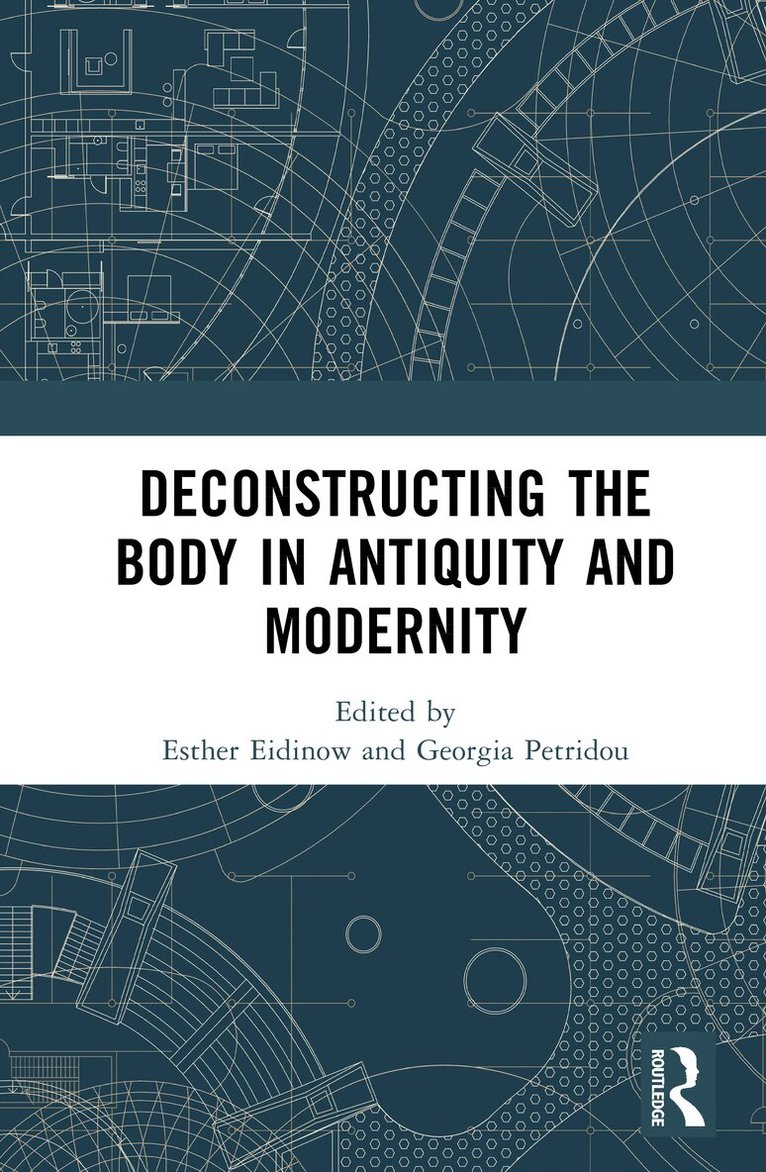
Deconstructing the Body in Antiquity and Modernity
Av Esther Eidinow, Georgia Petridou
2480 kr
Kommande
Beskrivning
This multidisciplinary volume explores ancient and modern corporeal relational dynamics, as well as the agents and processes that produce dominant cultural definitions and elaborations of the body.Bringing together leading experts in Humanities, Medical Humanities, Social Sciences, and Health and Life Sciences, the volume draws on recent theoretical approaches (such as ‘the ontological turn’, new materialisms, ‘the corporeal turn’, queer theory, ritual theory), philosophical approaches, and advances in disability studies, and examines a variety of processes of bodily fragmentation, fusion, and trans-formation with additional focus on gender, age, socio-cultural status, and religious belief. It is organised into two parts – Fragmentation and Fusion, and Foci, Frontiers, Trans-Formations – which foreground the lived body and reconceptualise it through the prism of corporeal constructivism, challenging hierarchical and temporal primacies and instead exploring how different bodily explanations, perceptions, and representations relate and interact.Deconstructing the Body in Antiquity and Modernity will interest students and scholars working on the body, body parts, and body relational dynamics across various disciplines, including the Arts, Humanities, Medical Humanities, Social Sciences, and Health and Life Sciences.
Produktinformation
- Utgivningsdatum: 2026-12-07
- Mått: 156 x 234 x undefined mm
- Format: Inbunden
- Språk: Engelska
- Antal sidor: 236
- Förlag: Taylor & Francis Ltd
- ISBN: 9781032411224
Utforska kategorier
Betyg & recensioner
0 recensioner
Inga recensioner tillgängliga.