• Fri frakt över 249 kr
  • •
  • Snabba leveranser
  • •
  • Billiga böcker
Kundservice

Du är på sajten för privatpersoner.

Företag, bibliotek eller offentlig verksamhet?

Du handlar på classic.bokus.com, där alla dina funktioner finns intakta.
Till classic.bokus.com
Bokus logotyp. Gå till startsidan.
  • Erbjudanden
  • Nyheter
  • Student
  • Topplistor
  • Barn & ungdom
  • Bokus Play
  • E-böcker
  • Pocketböcker
  • Spel & pussel

Må bättre, för mindre! Upp till 50% rabatt på hälsoböcker

Sidfot

Mina sidor

    Hjälp

    • Kundservice
    • Vanliga frågor och svar
    • Frakt och leverans
    • Retur vid ångerrätt
    • Reklamera vara
    • Betalning
    • Köpvillkor
    • Allmänna villkor
    • Information om webbplatsens tillgänglighet

    Om Bokus

    • Om oss
    • Pressrum
    • För studenter
    • För företag
    • För bibliotek och offentlig verksamhet
    • För leverantörer
    • Hållbarhet

    Populärt

    • Aktuella erbjudanden
    • Presentkort
    • Studentlitteratur
    • Nya böcker
    • Topplistor
    • Signerade böcker
    • Engelska böcker

    Inspiration

    • Boktips
    • BookTok
    • Populära bokserier
    • Barnbokskaraktärer
    • Populära författare
    Logotyp för Bokus
    Följ oss på Facebook (extern länk)Följ oss på Instagram (extern länk)Följ oss på YouTube (extern länk)Följ oss på TikTok (extern länk)
    bokus @ CookiesAnpassa cookiesIntegritetspolicyKöpvillkor
    Till Citymail hemsida (extern länk)Till Budbee hemsida (extern länk)Till Postnord hemsida (extern länk)Till Schenker hemsida (extern länk)Till Early Bird hemsida (extern länk)Till Walleys hemsida (extern länk)
    1. Ekonomi och Ledarskap
    2. Ledarskapsböcker
    3. Ledarskap och motivation

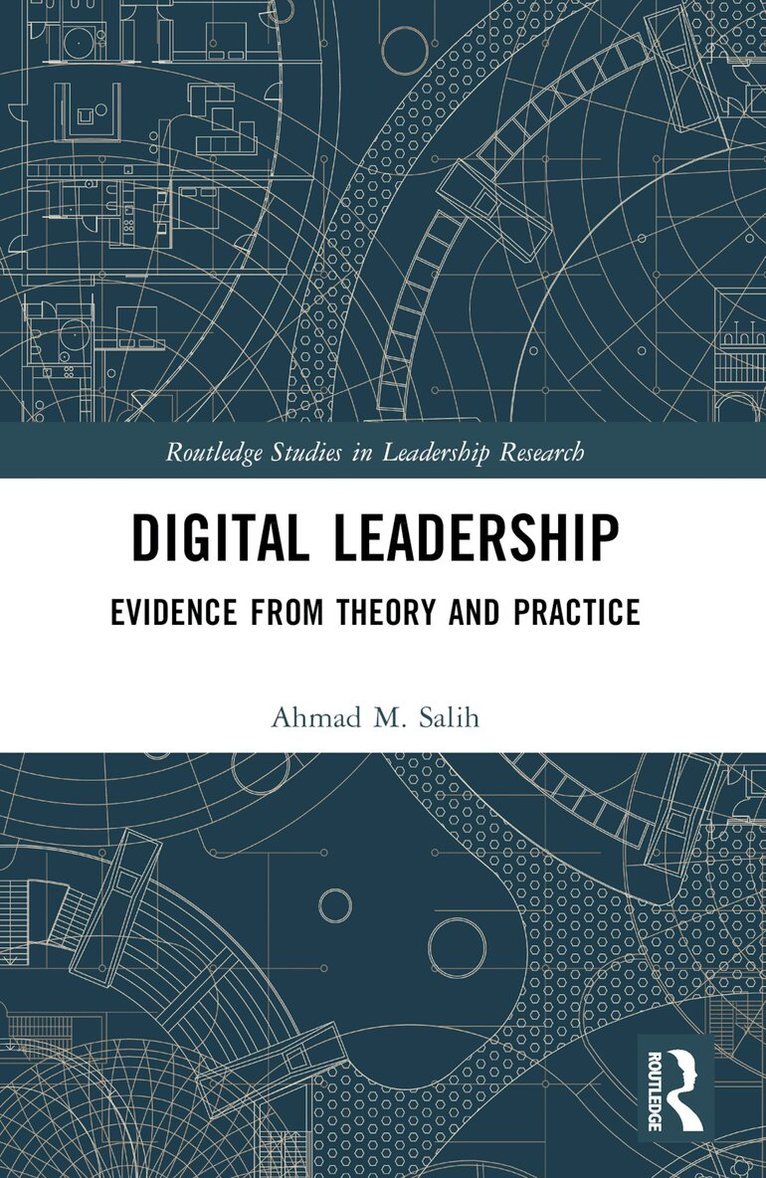
    Digital Leadership

    Evidence from Theory and Practice

    AvAhmad M. Salih

    Häftad, Engelska, 2025

    Del i serien Routledge Studies in Leadership Research

    701 kr

    Beställningsvara. Skickas inom 10-15 vardagar. Fri frakt över 249 kr.

    Fler format och utgåvor

    E-bok

    797 kr

    E-bok

    829 kr

    Inbunden

    2 493 kr

    Beskrivning

    In the evolving landscape of leadership, factors from both environmental and cultural dimensions play a crucial role. In the contemporary era of digitalisation and globalisation, the impact on leadership has expanded significantly. This places greater pressure on leaders to succeed. The integration of technology and knowledge management adds complexity, demanding not only effectiveness but also cultural adaptability for navigating digital organisational changes.Effective leadership prerequisites endure, regardless of technological influence. Amid the push for digital leadership in modern organisations, it's essential to acknowledge the complexity of defining and analysing leadership. This treatise emphasises adaptability and intelligence as foundational for digital leaders and followers. Organisational ambidexterity underscores the simultaneous need for digital alignment and adaptability in effective leadership.This book emphasises followership's natural evolution in individual growth. It delves into the intricate interplay between leadership and followership within the globalised, digital context. Core to the narrative is the 'intelligently learning organization,' a concept explored throughout and conclusively in Chapter 7. While technological prowess benefits leaders, it's vital to recognise its limitations in achieving organisational growth.The text highlights 'digital dexterity,' a concept evaluating internal capacities for embracing digital trajectories. This nascent concept is vital for modern digital leaders to embody.

    Produktinformation

    • Utgivningsdatum:2025-07-30
    • Mått:152 x 229 x 10 mm
    • Vikt:280 g
    • Format:Häftad
    • Språk:Engelska
    • Serie:Routledge Studies in Leadership Research
    • Antal sidor:176
    • Förlag:Taylor & Francis Ltd
    • ISBN:9781032446462

    Utforska kategorier

    • Ledarskap och motivation inom Ekonomi och Ledarskap
    • Projektledning inom Ekonomi och Ledarskap
    • Affärsutveckling inom Ekonomi och Ledarskap

    Mer om författaren

    Ahmad M. Salih is VP Operational Excellence and Knowledge Management at Khatib and Alami PTE., Singapore. He is also Visiting Associate Professor and Course Leader of Leadership, Digital Leadership and Digital Strategy at Heriot-Watt University, Edinburgh, UK.

    Recensioner i media

    “Leadership, its role in organized management, and the "intelligent organization" are the subjects of a broad and deep literature. Effective leadership has been the topic of innumerable studies and books with tips and tactics. In most of these cases, the focus has been on face-to-face leadership in the workplace or other venues. The changing landscape of work, especially since the COVID pandemic, has led to a paradigm shift in the world of work, with more emphasis on the digital environment. This has led to the emergence of what had been a less studied subset of leadership: digital leadership. Salih steps into this emerging trend in Digital Leadership: Evidence from Theory and Practice. This text provides a timely review of which leadership practices from the vast, existing literature appear to be the most relevant to the digital world. This includes macro-trends in corporate leadership and macro-leadership trends and practices for teams, etc. Salih provides an important overview of the current state of digital management research and application. This subset of leadership has become more prominent, and this volume is an important guide to current research, theory, and practice.” – S. A. Schulman, Emeritus, CUNY Baruch College

    Innehållsförteckning

    • Chapter One. Preface and Structure of the Book Chapter Two. Digital leadership; the Why and How Chapter Three. Perceived Leadership Effectiveness / Ineffectiveness Chapter Four. Cultural Intelligence, a Competency of Effective Digital Leaders Chapter Five. The Sustainable and Adaptive Model of Digital Leadership Chapter Six. Strategies for digital leadership Chapter Seven. Leading Knowledge and Innovation Management Chapter Eight. Organisational Structure in the Digital Age