• Fri frakt över 249 kr
  • •
  • Snabba leveranser
  • •
  • Billiga böcker
Kundservice

Du är på sajten för privatpersoner.

Företag, bibliotek eller offentlig verksamhet?

Du handlar på classic.bokus.com, där alla dina funktioner finns intakta.
Till classic.bokus.com
Bokus logotyp. Gå till startsidan.
  • Erbjudanden
  • Nyheter
  • Student
  • Topplistor
  • Barn & ungdom
  • Bokus Play
  • E-böcker
  • Pocketböcker
  • Spel & pussel

10% rabatt på allt med kod: NYSTART10 →

Sidfot

Mina sidor

    Hjälp

    • Kundservice
    • Vanliga frågor och svar
    • Frakt och leverans
    • Retur vid ångerrätt
    • Reklamera vara
    • Betalning
    • Köpvillkor
    • Allmänna villkor
    • Information om webbplatsens tillgänglighet

    Om Bokus

    • Om oss
    • Pressrum
    • För studenter
    • För företag
    • För bibliotek och offentlig verksamhet
    • För leverantörer
    • Hållbarhet

    Populärt

    • Aktuella erbjudanden
    • Presentkort
    • Studentlitteratur
    • Nya böcker
    • Topplistor
    • Signerade böcker
    • Engelska böcker

    Inspiration

    • Boktips
    • BookTok
    • Populära bokserier
    • Barnbokskaraktärer
    • Populära författare
    Logotyp för Bokus
    Följ oss på Facebook (extern länk)Följ oss på Instagram (extern länk)Följ oss på YouTube (extern länk)Följ oss på TikTok (extern länk)
    bokus @ CookiesAnpassa cookiesIntegritetspolicyKöpvillkor
    Till Citymail hemsida (extern länk)Till Budbee hemsida (extern länk)Till Postnord hemsida (extern länk)Till Schenker hemsida (extern länk)Till Early Bird hemsida (extern länk)Till Walleys hemsida (extern länk)
    1. Kultur
    2. Konstböcker
    3. Konsthistoria
    • Nyhet

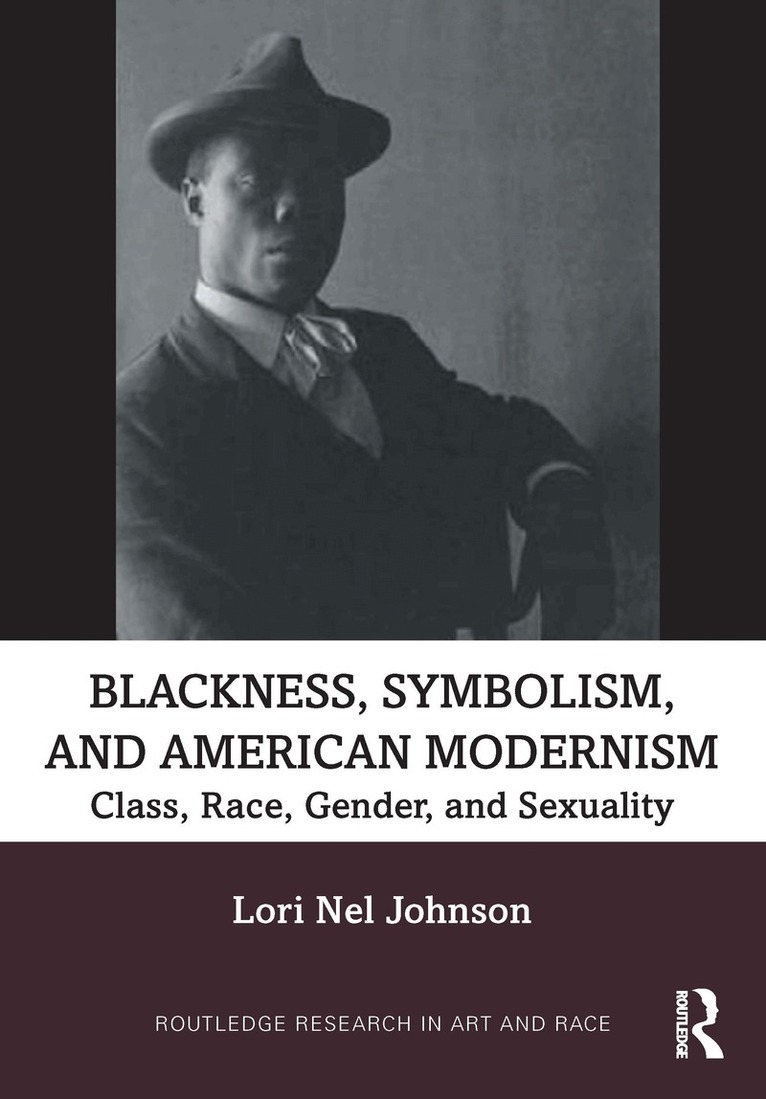
    Blackness, Symbolism, and American Modernism

    Class, Race, Gender, and Sexuality

    AvLori Nel Johnson

    Häftad, Engelska, 2026

    Del i serien Routledge Research in Art and Race

    701 kr

    Beställningsvara. Skickas inom 10-15 vardagar. Fri frakt över 249 kr.

    Fler format och utgåvor

    Inbunden

    2 493 kr

    E-bok

    831 kr

    E-bok

    829 kr

    Beskrivning

    In this book, Lori Nel Johnson examines the work of Henry Ossawa Tanner (1859-1937), Meta Warrick Fuller (1877-1968), and F. Holland Day (1864-1933) in relation to the development of modernism during the turn of the century, and the official narratives surrounding this movement.While Tanner and Fuller have been consistently linked in the history of American Art, the Pictorialist photographer and publisher, Day has rarely if ever been discussed with these two artists, despite the fact that all three were rough contemporaries and affiliated with Symbolism. The book compares the historical and social conditions that determined the lives and careers of these three artists, which curtailed their ambitions because of the intersections of class, race, gender, or sexuality. By examining each artist’s respective proximity to language on the basis of class, race, gender, and sexuality, this study avoids categorizing artists solely on the basis of difference, and thus, offers a more fulsome and radical reading of the development of modernism in the United States.The book will be of interest to scholars of art history, design history, history of photography, American studies, and African American studies.

    Produktinformation

    • Utgivningsdatum:2026-07-19
    • Mått:174 x 246 x undefined mm
    • Vikt:390 g
    • Format:Häftad
    • Språk:Engelska
    • Serie:Routledge Research in Art and Race
    • Antal sidor:210
    • Förlag:Taylor & Francis Ltd
    • ISBN:9781032454313

    Utforska kategorier

    • Konsthistoria inom Kultur
    • Fotoböcker inom Kultur

    Mer om författaren

    Lori Nel Johnson is Associate Professor of Art History at Morgan State University.

    Innehållsförteckning

    • Introduction 1. The Good Shepherd: Symbolism, Mysticism, and Tanner’s Spiritual Conversion 2. From Sculptor of Horrors to Race Artist: Meta Warrick Fuller’s Silent Protest and the Language of Sexual and Racial Oppression 3. “A Summering Maker Place”: F. Holland Day’s Nubians and the Limits of Progressive Philanthropy Conclusion