• Fri frakt över 249 kr
  • •
  • Snabba leveranser
  • •
  • Billiga böcker
Kundservice

Du är på sajten för privatpersoner.

Företag, bibliotek eller offentlig verksamhet?

Du handlar på classic.bokus.com, där alla dina funktioner finns intakta.
Till classic.bokus.com
Bokus logotyp. Gå till startsidan.
  • Erbjudanden
  • Nyheter
  • Student
  • Topplistor
  • Barn & ungdom
  • Bokus Play
  • E-böcker
  • Pocketböcker
  • Spel & pussel

10% rabatt på allt med kod: NYSTART10 →

Sidfot

Mina sidor

    Hjälp

    • Kundservice
    • Vanliga frågor och svar
    • Frakt och leverans
    • Retur vid ångerrätt
    • Reklamera vara
    • Betalning
    • Köpvillkor
    • Allmänna villkor
    • Information om webbplatsens tillgänglighet

    Om Bokus

    • Om oss
    • Pressrum
    • För studenter
    • För företag
    • För bibliotek och offentlig verksamhet
    • För leverantörer
    • Hållbarhet

    Populärt

    • Aktuella erbjudanden
    • Presentkort
    • Studentlitteratur
    • Nya böcker
    • Topplistor
    • Signerade böcker
    • Engelska böcker

    Inspiration

    • Boktips
    • BookTok
    • Populära bokserier
    • Barnbokskaraktärer
    • Populära författare
    Logotyp för Bokus
    Följ oss på Facebook (extern länk)Följ oss på Instagram (extern länk)Följ oss på YouTube (extern länk)Följ oss på TikTok (extern länk)
    bokus @ CookiesAnpassa cookiesIntegritetspolicyKöpvillkor
    Till Citymail hemsida (extern länk)Till Budbee hemsida (extern länk)Till Postnord hemsida (extern länk)Till Schenker hemsida (extern länk)Till Early Bird hemsida (extern länk)Till Walleys hemsida (extern länk)
    1. Juridik
    2. Internationell rätt
    3. Folkrätt

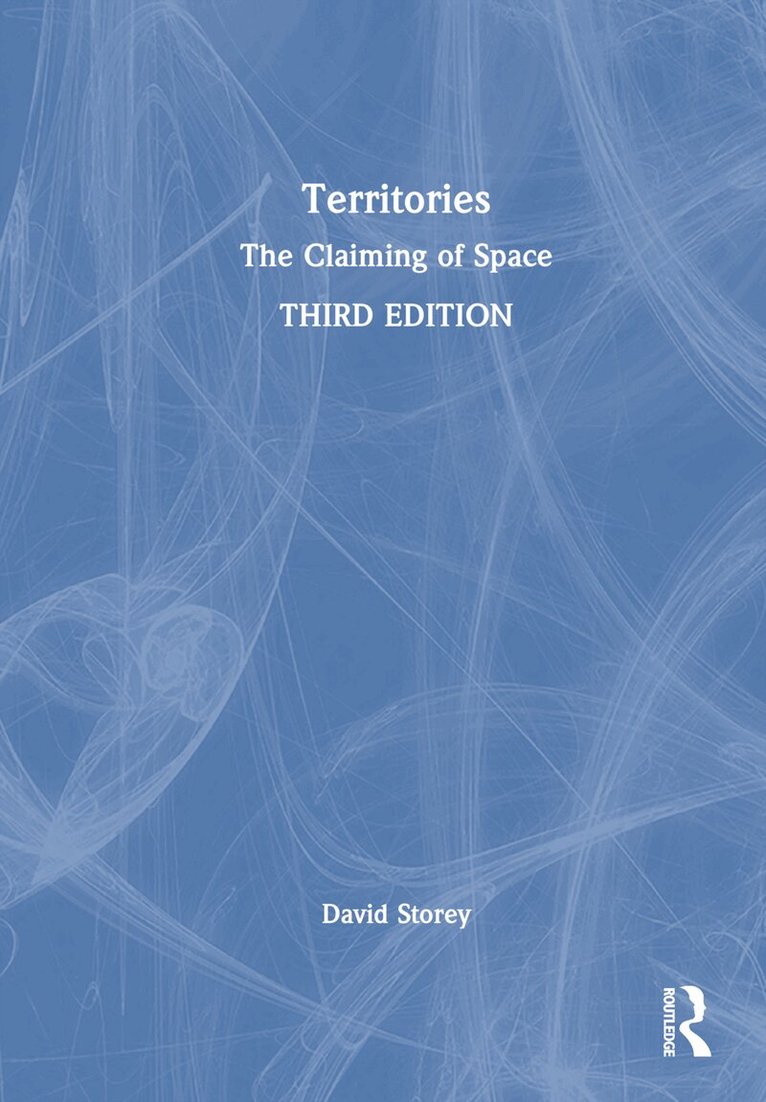
    Territories

    The Claiming of Space

    AvDavid Storey

    Inbunden, Engelska, 2024

    1 814 kr

    Beställningsvara. Skickas inom 10-15 vardagar. Fri frakt över 249 kr.

    Fler format och utgåvor

    Häftad

    729 kr

    E-bok

    939 kr

    E-bok

    864 kr

    Beskrivning

    Territories are more than simply bounded spaces; they reflect the ways in which we think of geographic space. Territoriality, or laying claim to territory, can be seen as the spatial expression of power, with borders dividing those inside from those outside. The book provides an introduction to the concept of territory, the ways in which ideologies and social practices are manifested in space, the deployment of territorial strategies and the geographical outcomes of these.This revised and updated third edition focuses on both macro-scale examples and those less obvious micro-scale ones, and it explores how territorial strategies are used in the maintaining of power, or as a means of resistance. Throughout the book, key questions emerge concerning geographic space. Who is "allowed" to be in particular spaces and who is excluded or discouraged from being there? How are territorial practices utilised in conflicts concerned with socio-political power and identity and how are ideologies transposed onto space?Written from a geographical perspective, the book is interdisciplinary, drawing on ideas and material from a range of academic disciplines including history, political science, sociology, international relations, and cultural studies. Theoretical underpinnings are supported by a variety of historical and contemporary examples, drawn from a range of geographic contexts.

    Produktinformation

    • Utgivningsdatum:2024-07-30
    • Mått:174 x 246 x 16 mm
    • Vikt:580 g
    • Format:Inbunden
    • Språk:Engelska
    • Antal sidor:200
    • Upplaga:3
    • Förlag:Taylor & Francis Ltd
    • ISBN:9781032777221

    Utforska kategorier

    • Folkrätt inom Juridik
    • Geografi inom Naturvetenskap och teknik
    • Internationella relationer inom Samhälle och politik

    Mer om författaren

    David Storey is Honorary Professor of Human Geography at University of Worcester, United Kingdom.

    Recensioner i media

    "This terrific book, now in its third iteration, is as relevant today as ever. It offers wonderfully engaging commentary on the enduring concerns of territory and territoriality across the world, and events of recent years are given particular attention in an insightful and brilliantly illustrative manner. Territorial logics and practices still matter – from the epidemiology of global pandemics to the ecological excesses of late modern capitalism, from the resurgence of populist nationalism to the geopolitics of war – and Territories shows us why."John Morrissey, University of Galway, Ireland."We live in a deeply territorialized world. This book is the best introduction to its forms and features, its processes and problems. With clear prose and compelling cases, Storey shows us how territories shape who we are and how we think."Gerard Toal, Virginia Tech, USA."This book is simply without peer. It covers all the ground that is needed for a conceptual survey. It does so both clearly and with many insightful examples."John Agnew, UCLA, USA."David Storey’s Territories has been for a long time the best introductory text presenting the wide scope of this critical term. The third, updated edition of the book pushes the contribution of the earlier editions further, providing the reader with a thorough and well-illustrated discussion on the functions territory and territoriality at and across spatial scales, as well as on territory’s relations to contested power relations, identities, and ideologies embedded in various territorial strategies and practices. This book can be highly recommended to researchers and students who try to cope with our conflict-ridden world and its multiple dividing-lines and zones."Anssi Paasi, Geography Research Unit, University of Oulu, Finland.

    Innehållsförteckning

    • Chapter 1 IntroductionChapter 2 Territory and TerritorialityChapter 3 The Territorial StateChapter 4 Territory, Borders and SovereigntyChapter 5 Nations and NationalismChapter 6 Nationalism, Territory and PlaceChapter 7 De-territorialisation, Re-territorialisation and State SovereigntyChapter 8 Territory, Locality and Community Chapter 9 Territory, Space and SocietyChapter 10 Conclusions