• Fri frakt över 249 kr
  • •
  • Snabba leveranser
  • •
  • Billiga böcker
Kundservice

Du är på sajten för privatpersoner.

Företag, bibliotek eller offentlig verksamhet?

Du handlar på classic.bokus.com, där alla dina funktioner finns intakta.
Till classic.bokus.com
Bokus logotyp. Gå till startsidan.
  • Erbjudanden
  • Nyheter
  • Student
  • Topplistor
  • Barn & ungdom
  • Bokus Play
  • E-böcker
  • Pocketböcker
  • Spel & pussel

10% studentrabatt med kod TERM26

Sidfot

Mina sidor

    Hjälp

    • Kundservice
    • Vanliga frågor och svar
    • Frakt och leverans
    • Retur vid ångerrätt
    • Reklamera vara
    • Betalning
    • Köpvillkor
    • Allmänna villkor
    • Information om webbplatsens tillgänglighet

    Om Bokus

    • Om oss
    • Pressrum
    • För studenter
    • För företag
    • För bibliotek och offentlig verksamhet
    • För leverantörer
    • Hållbarhet

    Populärt

    • Aktuella erbjudanden
    • Presentkort
    • Studentlitteratur
    • Nya böcker
    • Topplistor
    • Signerade böcker
    • Engelska böcker

    Inspiration

    • Boktips
    • BookTok
    • Populära bokserier
    • Barnbokskaraktärer
    • Populära författare
    Logotyp för Bokus
    Följ oss på Facebook (extern länk)Följ oss på Instagram (extern länk)Följ oss på YouTube (extern länk)Följ oss på TikTok (extern länk)
    bokus @ CookiesAnpassa cookiesIntegritetspolicyKöpvillkor
    Till Citymail hemsida (extern länk)Till Budbee hemsida (extern länk)Till Postnord hemsida (extern länk)Till Schenker hemsida (extern länk)Till Early Bird hemsida (extern länk)Till Walleys hemsida (extern länk)
    1. Samhälle och politik
    2. Samhälle och kultur
    3. Kultur och medier
    4. Referensverk och tvärvetenskap

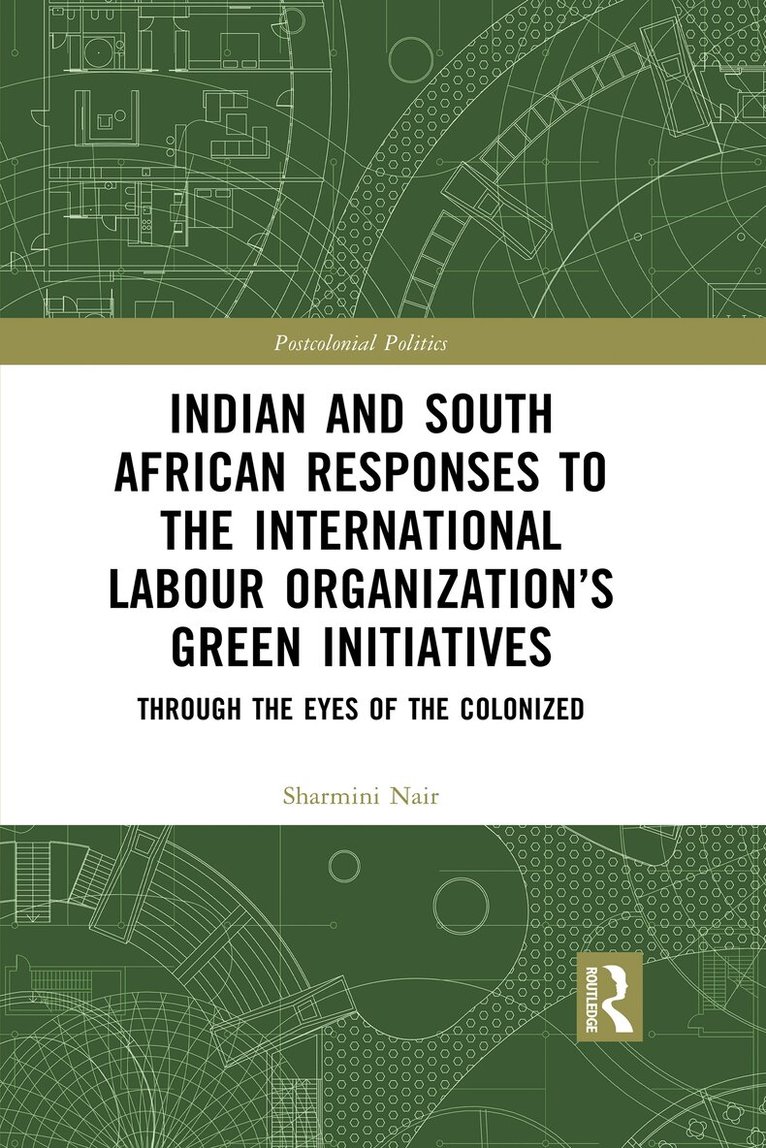
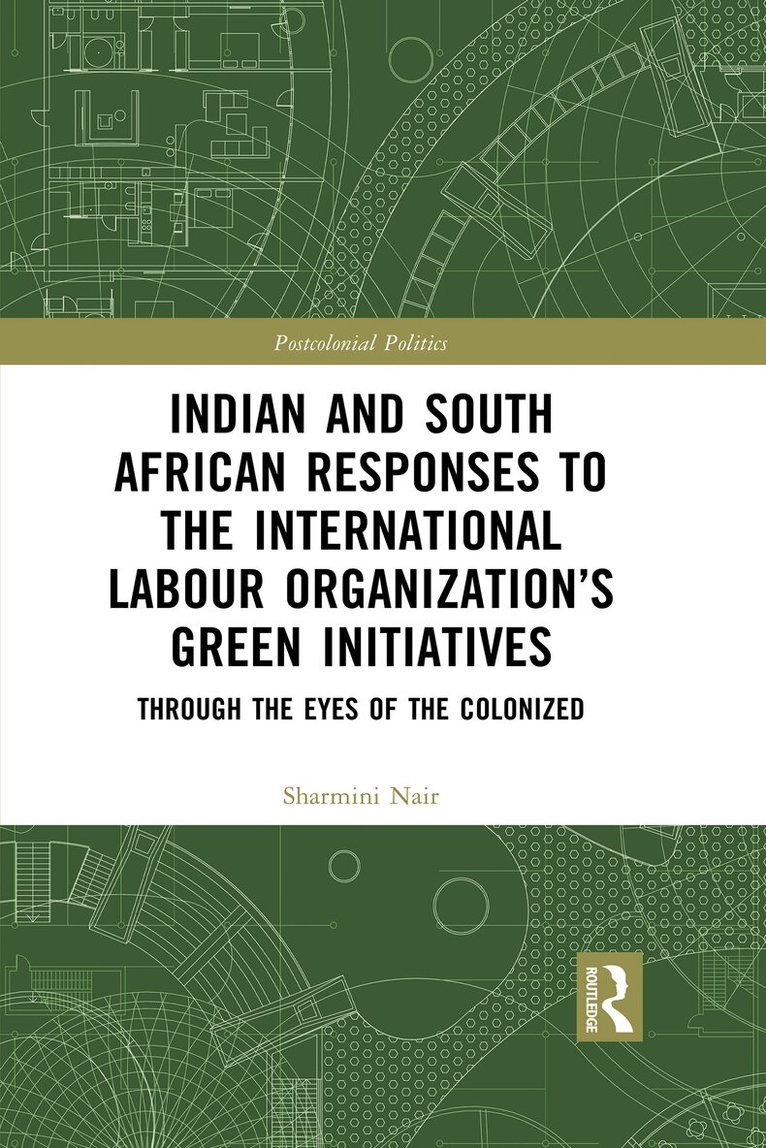
    Indian and South African Labour Responses to the International Labour Organization’s Green Initiatives

    Through the Eyes of the Colonized

    AvSharmini Nair

    Inbunden, Engelska, 2026

    Del i serien Postcolonial Politics

    2 506 kr

    Beställningsvara. Skickas inom 10-15 vardagar. Fri frakt över 249 kr.

    Fler format och utgåvor

    E-bok

    829 kr

    E-bok

    831 kr

    Beskrivning

    Indian and South African Labor Responses to the International Labor Organization’s Green Initiatives: Through the Eyes of the Colonized explores the differences in attitudes of developing states to the International Labor Organization (ILO) green initiatives, such as sustainable development, green jobs, and just transition, through a comparative case study of India and South Africa. As noble and urgent as they seem, not all countries are on board with green initiatives. Some developing states are wary on the grounds that they continue the interventionist legacies of their colonizers. India is one of these countries less open to these initiatives, in contrast to South Africa, which has embedded the initiatives in their green labor programs. This book shows how postcolonial theories such as Said’s Orientalism and Bhabha’s mimicry can be helpful in making sense of these discrepancies in attitudes. By providing a comparative study of these two powerful BRICS countries, it fills an important gap in our understanding of postcolonial responses of developing states, and expands the fields of comparative politics, history, postcolonial studies, and environmental policies. The book concludes by exploring the distinct ways in which India resists these green initiatives and how South Africa offers resistance by mimicking Western green initiatives in their policy line-up. Indian and South African Labor Responses to the International Labor Organization’s Green Initiatives: Through the Eyes Initiatives will be of great interest to students and scholars of Postcolonial Politics and History, and International Relations.

    Produktinformation

    • Utgivningsdatum:2026-06-08
    • Mått:156 x 234 x 14 mm
    • Vikt:580 g
    • Format:Inbunden
    • Språk:Engelska
    • Serie:Postcolonial Politics
    • Antal sidor:216
    • Förlag:Taylor & Francis Ltd
    • ISBN:9781032973999

    Utforska kategorier

    • Referensverk och tvärvetenskap inom Samhälle och politik
    • Internationella relationer inom Samhälle och politik
    • Kolonialism och imperialism inom Historia och arkeologi

    Mer om författaren

    Sharmini Nair is Assistant Professor in Political Science at Lindenwood University, USA. She specialises in the impact of postcolonialism on the ways that green policies are produced and accepted by states and labor in the Global South, and she teaches comparative politics and international relations.

    Recensioner i media

    "Author Sharmi Nair applies the lens of post-colonial theory to explain variations in the way that organized labor in two prominent nations of the Global South, India and South Africa, responded to the International Labor Organization’s environmental policies. Drawing on concepts articulated by post-colonial writers, particularly the idea of mimicry in the work of theorist Homi Babha, Nair shows how the different organized labor responses to ILO environmental directives of a rejectionist India and accommodationist South Africa each express mimicry and a post-colonial posture resisting the ILO’s global Green Initiative guidance that still tends to treat these labor movements as subalterns in the grand project of advancing international environmental sustainability. Nair’s study provides a useful corrective to narratives and policy prescriptions that fail to adequately respect the experience and voices of previously colonized people in the quest to advance global environmental stewardship."Stephen Mumme, Professor Emeritus, Department of Political Science, Colorado State University, Fort Collins

    Innehållsförteckning

    • Introduction. The Antagonist Chapter 1. Why Postcolonialism? Chapter 2. Labor’s Battle Against Orientalism in Pre-Liberation India And South Africa Chapter 3. Union Effectiveness in India And South Africa In Liberation Processes Chapter 4. Fight For Labor Autonomy in Post-Liberation South Africa And India Chapter 5. The ILO’s Colonial Legacy – A Case of Savior’s Complex Chapter 6. Rientalism in the ILO’s Green Initiatives and Reactions by Indian and South African Delegates Chapter 7. The Ilo’s Green Projects in India and South Africa and Orientalist Discourses Within the ILO Chapter 8. Conclusion