• Fri frakt över 249 kr
  • •
  • Snabba leveranser
  • •
  • Billiga böcker
Kundservice

Du är på sajten för privatpersoner.

Företag, bibliotek eller offentlig verksamhet?

Du handlar på classic.bokus.com, där alla dina funktioner finns intakta.
Till classic.bokus.com
Bokus logotyp. Gå till startsidan.
  • Erbjudanden
  • Nyheter
  • Student
  • Topplistor
  • Barn & ungdom
  • Bokus Play
  • E-böcker
  • Pocketböcker
  • Spel & pussel

10% rabatt på allt med kod: NYSTART10 →

Sidfot

Mina sidor

    Hjälp

    • Kundservice
    • Vanliga frågor och svar
    • Frakt och leverans
    • Retur vid ångerrätt
    • Reklamera vara
    • Betalning
    • Köpvillkor
    • Allmänna villkor
    • Information om webbplatsens tillgänglighet

    Om Bokus

    • Om oss
    • Pressrum
    • För studenter
    • För företag
    • För bibliotek och offentlig verksamhet
    • För leverantörer
    • Hållbarhet

    Populärt

    • Aktuella erbjudanden
    • Presentkort
    • Studentlitteratur
    • Nya böcker
    • Topplistor
    • Signerade böcker
    • Engelska böcker

    Inspiration

    • Boktips
    • BookTok
    • Populära bokserier
    • Barnbokskaraktärer
    • Populära författare
    Logotyp för Bokus
    Följ oss på Facebook (extern länk)Följ oss på Instagram (extern länk)Följ oss på YouTube (extern länk)Följ oss på TikTok (extern länk)
    bokus @ CookiesAnpassa cookiesIntegritetspolicyKöpvillkor
    Till Citymail hemsida (extern länk)Till Budbee hemsida (extern länk)Till Postnord hemsida (extern länk)Till Schenker hemsida (extern länk)Till Early Bird hemsida (extern länk)Till Walleys hemsida (extern länk)
    1. Samhälle och politik
    2. Sociologi och antropologi
    3. Antropologi

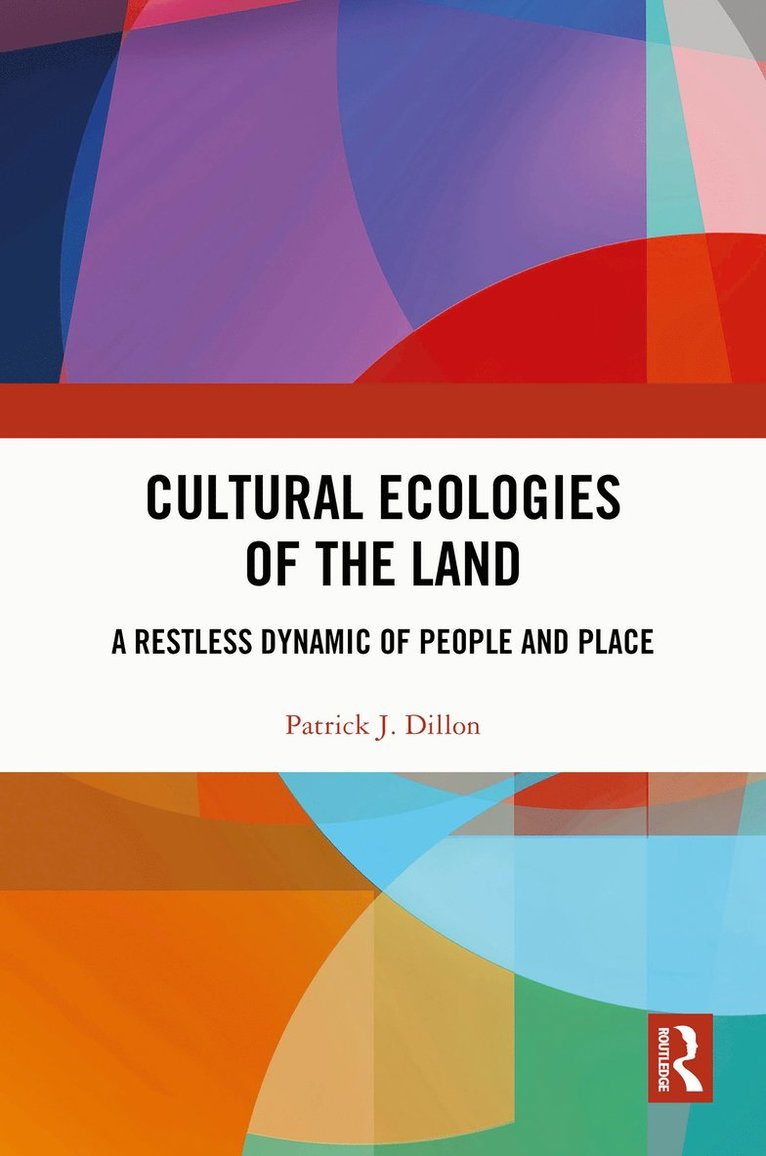
    Cultural Ecologies of the Land

    A Restless Dynamic of People and Place

    AvPatrick J. Dillon

    Inbunden, Engelska, 2025

    2 421 kr

    Beställningsvara. Skickas inom 10-15 vardagar. Fri frakt över 249 kr.

    Fler format och utgåvor

    Häftad

    681 kr

    E-bok

    774 kr

    E-bok

    774 kr

    Beskrivning

    Cultural Ecologies of the Land is a radical and challenging reassessment of the way we relate to the land and to infrastructure. There was a time when the land defined us. Now, with each passing year, we are increasingly detached from it. It was once the centre stage of humanity; now it is the setting for a technological drama. What has happened, and why does it matter?This book is a multi-layered account of people and environment shaping each other through cumulative, moment-to-moment, day-to-day change, and a template for thinking about place, locality, belonging, and identity. Cultural Ecologies of the Land presents the existential crisis that many believe we now face as a systemic problem, arising from social institutions and forms of behaviour that have been marginalised with our dependency on modern infrastructure. It explains the part people have played in contributing to the crisis, and how regenerating relationships with the land offers a route towards alleviating it. This is not only about acknowledging our impact on Earth but also about understanding ourselves in relation to it, how we engage with our surroundings, make sense of them, live and work in them, and create narratives that connect and sustain us.

    Produktinformation

    • Utgivningsdatum:2025-04-15
    • Mått:156 x 234 x 18 mm
    • Vikt:630 g
    • Format:Inbunden
    • Språk:Engelska
    • Antal sidor:240
    • Förlag:Taylor & Francis Ltd
    • ISBN:9781032975610

    Utforska kategorier

    • Antropologi inom Samhälle och politik
    • Miljövetenskap och miljöpolitik inom Naturvetenskap och teknik
    • Geografi inom Naturvetenskap och teknik

    Mer om författaren

    Patrick J. Dillon is Emeritus Professor in the Faculty of Arts, Humanities and Social Sciences at the University of Exeter, UK, and for ten years was Professor in the Philosophical Faculty at the University of Eastern Finland.

    Recensioner i media

    “Cultural Ecologies of the Land offers richly textured engagements with communities, ecologies, landscapes and places, drawing on a lifetime of conversations, fieldwork, scholarship, teaching and travel. Simultaneously accessible, profound and wide-ranging, it spans disciplines and genres.” - Professor James D Sidaway, National University of Singapore.“In Cultural Ecologies of the Land, Patrick Dillon returns to, and reworks, with interesting case-studies, historically grounded understandings of the indissoluble link between culture and ecology. These broadening perspectives are urgent in our rapidly changing world.” - Emeritus Professor Barbara Bender, anthropologist.“Cultural Ecologies of the Land is a book we have been waiting for, but had not imagined. In relating culture to place as a counterpoint to infrastructure, it is both a masterly interrogation of the relationships, and a source of hope for the future.” - Emeritus Professor Robert Cameron, Evolutionary Ecologist.“Through accessible prose and compelling examples, Patrick Dillon’s Cultural Ecologies of the Land masterfully explores the ever changing dynamic between human actions and the natural world. This fresh perspective invites reflection and a deeper understanding of sustainability.” - Georgia Liarakou, Professor of Environment and Sustainability Education, National Kapodistrian University of Athens.“In Cultural Ecologies of the Land, Patrick Dillon focuses on the intricate connections between humans, the land, and infrastructure, culminating in the importance of regeneration. His writing style is captivating, blending diverse academic methodologies, cross-disciplinary research, storytelling, and personal anecdotes.” - Professor Dawid Bunikowski, State University of Applied Sciences Wloclawek, Poland.“Cultural Ecologies of the land is a persuasive account of how an explicitly historical approach can be used to develop more sustainable uses of the land. Its thoughtful use of concepts and well-chosen case-studies will make it a valuable text for courses dealing with sustainability.” - Emeritus Professor Robert Dodgshon, Aberystwyth.

    Innehållsförteckning

    • Preamble; Introduction; Part One: The Framework; 1. Foundations; 2. Human Agency; 3. Making Sense; 4. Adaptive Change; Part Two: Living in the Land; 5. Making a Living; 6. Making Stories; 7. Making Place; Part Three: Regeneration; 8. Days of Future Passed; 9. Governance; 10. Education; Conclusion; Postscript.