• Fri frakt över 249 kr
  • •
  • Snabba leveranser
  • •
  • Billiga böcker
Kundservice

Du är på sajten för privatpersoner.

Företag, bibliotek eller offentlig verksamhet?

Du handlar på classic.bokus.com, där alla dina funktioner finns intakta.
Till classic.bokus.com
Bokus logotyp. Gå till startsidan.
  • Erbjudanden
  • Nyheter
  • Student
  • Topplistor
  • Barn & ungdom
  • Bokus Play
  • E-böcker
  • Pocketböcker
  • Spel & pussel

10% rabatt på allt med kod: NYSTART10 →

Sidfot

Mina sidor

    Hjälp

    • Kundservice
    • Vanliga frågor och svar
    • Frakt och leverans
    • Retur vid ångerrätt
    • Reklamera vara
    • Betalning
    • Köpvillkor
    • Allmänna villkor
    • Information om webbplatsens tillgänglighet

    Om Bokus

    • Om oss
    • Pressrum
    • För studenter
    • För företag
    • För bibliotek och offentlig verksamhet
    • För leverantörer
    • Hållbarhet

    Populärt

    • Aktuella erbjudanden
    • Presentkort
    • Studentlitteratur
    • Nya böcker
    • Topplistor
    • Signerade böcker
    • Engelska böcker

    Inspiration

    • Boktips
    • BookTok
    • Populära bokserier
    • Barnbokskaraktärer
    • Populära författare
    Logotyp för Bokus
    Följ oss på Facebook (extern länk)Följ oss på Instagram (extern länk)Följ oss på YouTube (extern länk)Följ oss på TikTok (extern länk)
    bokus @ CookiesAnpassa cookiesIntegritetspolicyKöpvillkor
    Till Citymail hemsida (extern länk)Till Budbee hemsida (extern länk)Till Postnord hemsida (extern länk)Till Schenker hemsida (extern länk)Till Early Bird hemsida (extern länk)Till Walleys hemsida (extern länk)
    1. Ekonomi och Ledarskap
    2. Nationalekonomi
    3. Mikroekonomi

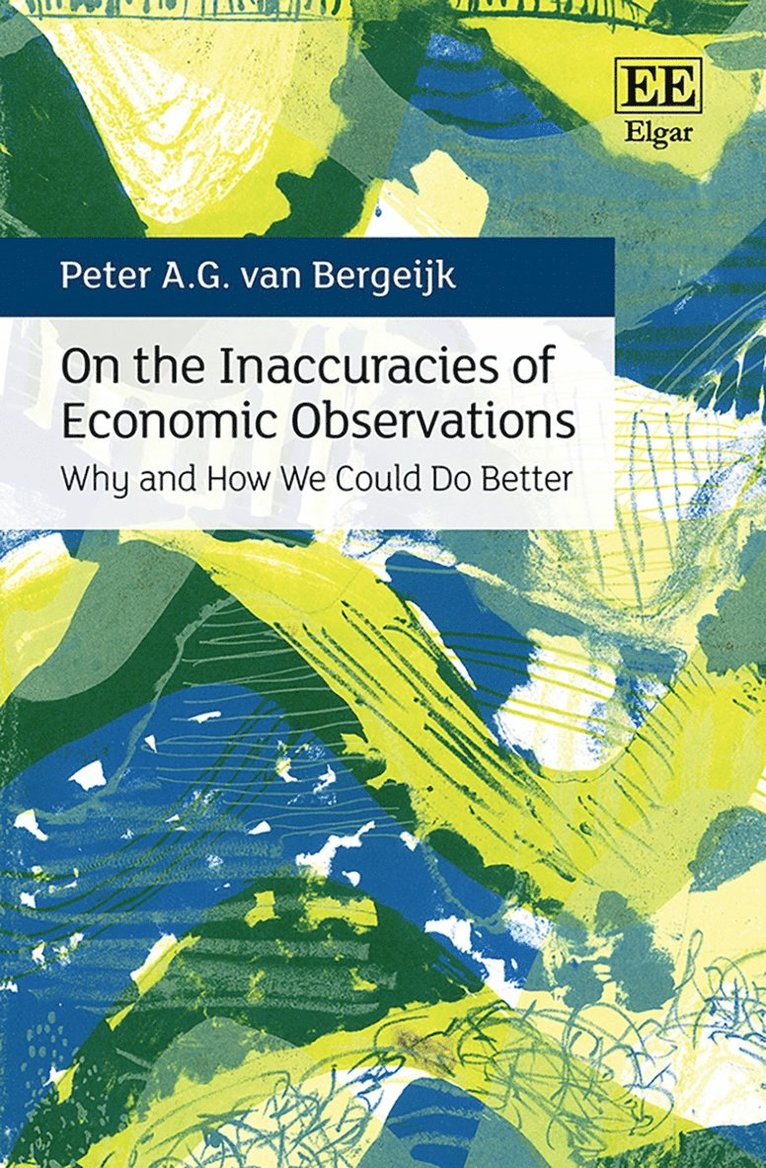
    On the Inaccuracies of Economic Observations

    Why and How We Could Do Better

    AvPeter A.G. van Bergeijk

    Häftad, Engelska, 2025

    462 kr

    Beställningsvara. Skickas inom 5-8 vardagar. Fri frakt över 249 kr.

    Fler format och utgåvor

    Inbunden

    1 724 kr

    E-bok

    439 kr

    Beskrivning

    This informative book reveals the pervasive nature of large inaccuracies in economic statistics. Drawing on numerous real-world examples including case studies from the COVID-19 pandemic, Peter van Bergeijk presents profound insights into how downplaying these errors undermines the scientific rigour of economic analysis, and outlines how to manage uncertainty in economic analysis moving forward.Global in scope, the book reflects on the current problematic practices within economics, including measurement errors in the analysis of GDP, inflation, trade and employment. Chapters examine key case studies from advanced and developing countries, detailing how the persistence of measurement error impacted the assessment of these events at the time and in retrospect. The author further identifies the best practices for the assessment of error in statistics and equips the reader with the tools to self-assess inaccuracies in economic data in a way that improves evidence-based analysis and decision-making processes.Championing a fresh perspective on econometrics, this book is vital for scholars and students of economics, data science and research methods. Additionally, policy analysts and data producers will value this book’s perspective on the reliability of their data and its provision of problem-solving strategies.

    Produktinformation

    • Utgivningsdatum:2025-06-03
    • Mått:156 x 234 x undefined mm
    • Format:Häftad
    • Språk:Engelska
    • Förlag:Edward Elgar Publishing Ltd
    • ISBN:9781035369065

    Utforska kategorier

    • Mikroekonomi inom Ekonomi och Ledarskap
    • Nationalekonomi inom Ekonomi och Ledarskap
    • Referensverk och tvärvetenskap inom Samhälle och politik

    Mer om författaren

    Peter A.G. van Bergeijk, Professor of International Economics and Macroeconomics, International Institute of Social Studies, Erasmus University, The Hague, the Netherlands

    Recensioner i media

    ‘A thought-provoking reminder that measuring our economy is not an exact science. This book is a compelling invitation to economists and statisticians to collaborate and increase transparency about the size of measurement error in economic data, so that these data are used responsibly for analysis and policy making.’

    Innehållsförteckning

    • Contents:Preface1 Introduction: measurement error in economics2 Measuring measurement error3 The pervasiveness of measurement error4 Did the Great Recession happen?5 Lockdown statistics6 Dealing with inaccuracy7 ConclusionsReferences