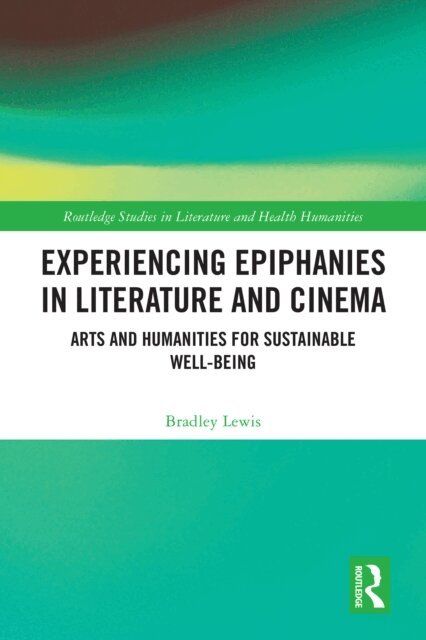
E-bok, Engelska, 2024
Experiencing Epiphanies in Literature and Cinema
926 kr
Läs direkt i Bokus Reader – eller ladda ned till din enhet
Beskrivning
Experiencing Epiphanies in Literature and Cinema uses health humanities and psychological humanities to explore literary and cinematic epiphanies. James Joyce first adopted the term "e;epiphany"e; from its religious use to articulate momentsof luminous intensity or "e;sudden spiritual manifestation."e; This study develops and extends Joyce's use of epiphany through a range of literary and cinematic examples, from William Shakespeare to Ruth Ozeki and from Yasujiro Ozu to Jim Jarmusch. This wealth of epiphanies in the arts is important from a health humanities perspective in that they provide access to aesthetic and sustainable experiences of well-being, joy, and human flowering. They also provide antidotes to aesthetics of anti-epiphany-a showing forth of terror, horror, and panic. Experiencing Epiphanies is accordingly both critical and affirmative, diagnostic and therapeutic. It uses critique to understand the increasing need for well-being in contemporary times, and it uses affirmation to develop underutilized resources in the arts for transforming, configuring, and refiguring our everyday lives.
Produktinformation
- Utgivningsdatum: 2024-07-09
- Språk: Engelska
- Filformat: EPUB
- Kopieringsskydd: LCP
- ISBN: 9781040041079
- Förlag: Taylor & Francis
Utforska kategorier
Betyg & recensioner
0 recensioner
Inga recensioner tillgängliga.