• Fri frakt över 249 kr
  • •
  • Snabba leveranser
  • •
  • Billiga böcker
Kundservice

Du är på sajten för privatpersoner.

Företag, bibliotek eller offentlig verksamhet?

Du handlar på classic.bokus.com, där alla dina funktioner finns intakta.
Till classic.bokus.com
Bokus logotyp. Gå till startsidan.
  • Erbjudanden
  • Nyheter
  • Student
  • Topplistor
  • Barn & ungdom
  • Bokus Play
  • E-böcker
  • Pocketböcker
  • Spel & pussel

10% rabatt på allt med kod: NYSTART10 →

Sidfot

Mina sidor

    Hjälp

    • Kundservice
    • Vanliga frågor och svar
    • Frakt och leverans
    • Retur vid ångerrätt
    • Reklamera vara
    • Betalning
    • Köpvillkor
    • Allmänna villkor
    • Information om webbplatsens tillgänglighet

    Om Bokus

    • Om oss
    • Pressrum
    • För studenter
    • För företag
    • För bibliotek och offentlig verksamhet
    • För leverantörer
    • Hållbarhet

    Populärt

    • Aktuella erbjudanden
    • Presentkort
    • Studentlitteratur
    • Nya böcker
    • Topplistor
    • Signerade böcker
    • Engelska böcker

    Inspiration

    • Boktips
    • BookTok
    • Populära bokserier
    • Barnbokskaraktärer
    • Populära författare
    Logotyp för Bokus
    Följ oss på Facebook (extern länk)Följ oss på Instagram (extern länk)Följ oss på YouTube (extern länk)Följ oss på TikTok (extern länk)
    bokus @ CookiesAnpassa cookiesIntegritetspolicyKöpvillkor
    Till Citymail hemsida (extern länk)Till Budbee hemsida (extern länk)Till Postnord hemsida (extern länk)Till Schenker hemsida (extern länk)Till Early Bird hemsida (extern länk)Till Walleys hemsida (extern länk)
    1. Historia och arkeologi
    2. Arkeologi

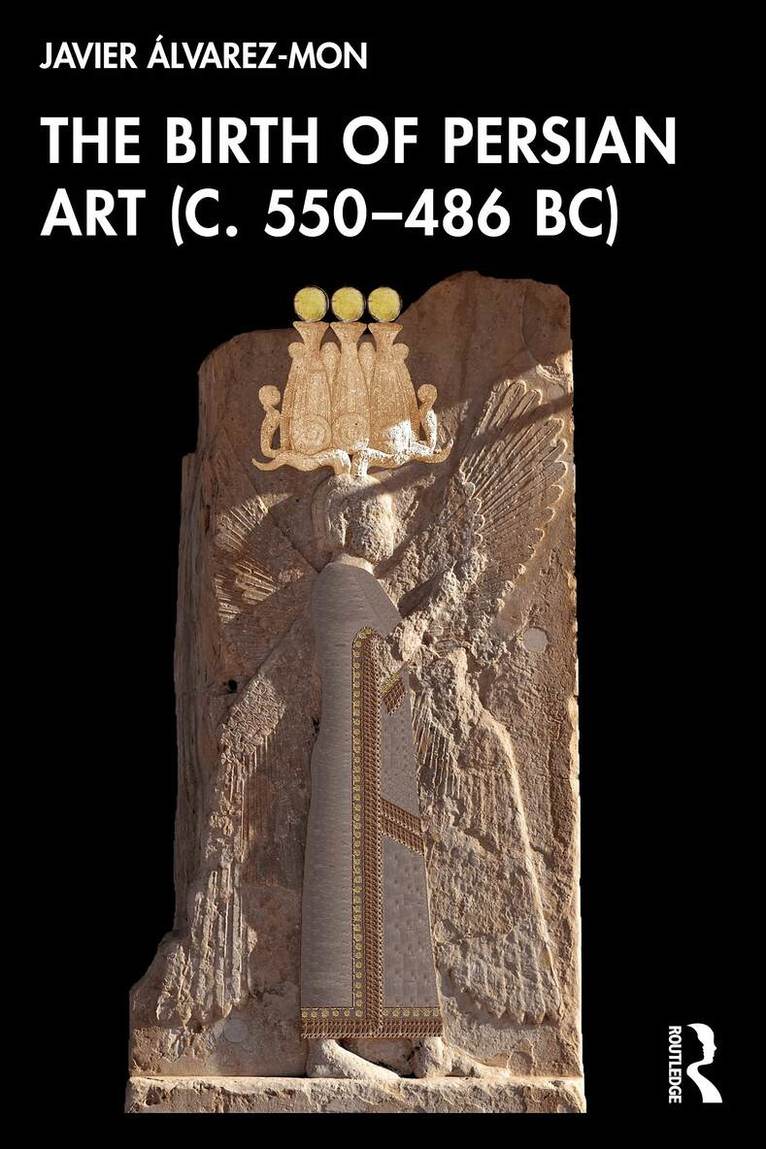
    Birth of Persian Art (c. 550–486 BC)

    AvJavier Álvarez-Mon

    Inbunden, Engelska, 2026

    3 765 kr

    Beställningsvara. Skickas inom 10-15 vardagar. Fri frakt över 249 kr.

    Fler format och utgåvor

    E-bok

    933 kr

    E-bok

    933 kr

    Häftad

    788 kr

    Beskrivning

    The Birth of Persian Art (c. 550–486 BC) offers a bold reappraisal of one of the most formative periods in ancient art history, revealing how artistic innovation helped forge one of antiquity’s most influential empires.This volume shows how Persian art evolved from local traditions into a sophisticated imperial visual language, highlighting the revolutionary developments at Pasargadae, the influence of broader cultural landscapes, and the impact of Elamite heritage. Richly illustrated, it foregrounds the often-overlooked value of the artistic record as a historical source, providing insights into the role of visual culture not merely as a reflection of imperial ideology but as an active medium through which cultural integration, negotiation, and innovation took place. From Persian mountain valleys to remote Egyptian desert oases, and to Greek-culture infused western Anatolian cities, The Birth of Persian Art (c. 550–486 BC) revolutionizes perceptions and understandings of Persian art and the Persian people like never before, offering a fresh lens through which to view the formative period of the Persian empire.Written for scholars and students of ancient art history, archaeology, and Near Eastern studies, it will also appeal to museum curators and art historians focusing on ancient Iran, Mesopotamia, and the broader Mediterranean.
    Produktinformation

    • Utgivningsdatum:2026-03-25
    • Mått:174 x 246 x 33 mm
    • Vikt:1 290 g
    • Format:Inbunden
    • Språk:Engelska
    • Antal sidor:610
    • Förlag:Taylor & Francis Ltd
    • ISBN:9781041077091

    Utforska kategorier

    • Arkeologi inom Historia och arkeologi
    • Arkeologiska perioder och områden inom Historia och arkeologi
    • Konsthistoria inom Kultur

    Mer om författaren

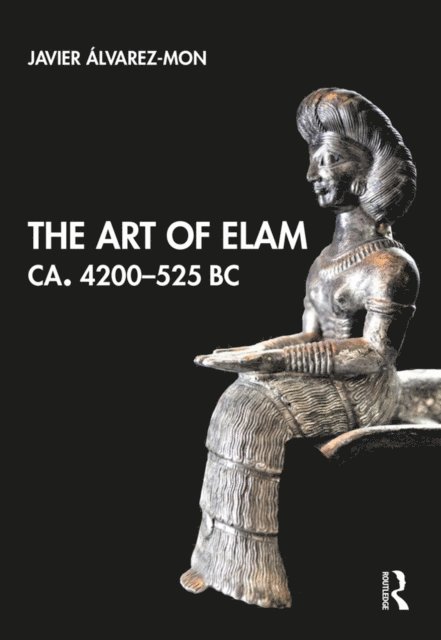
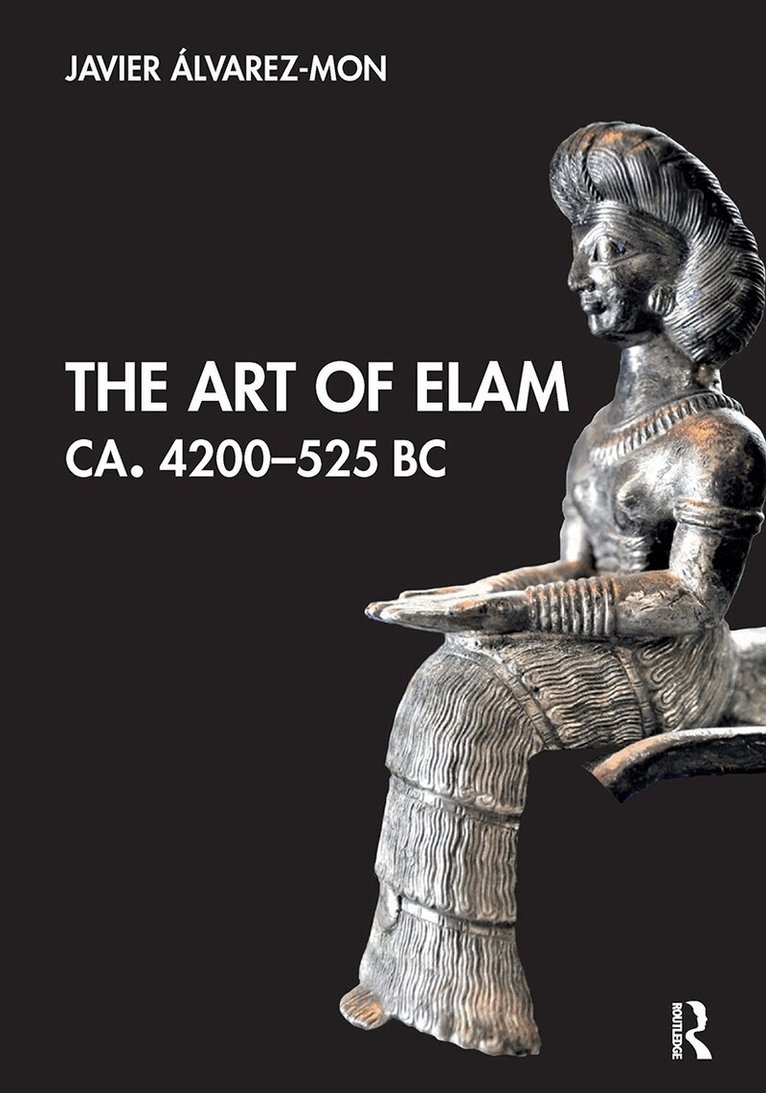
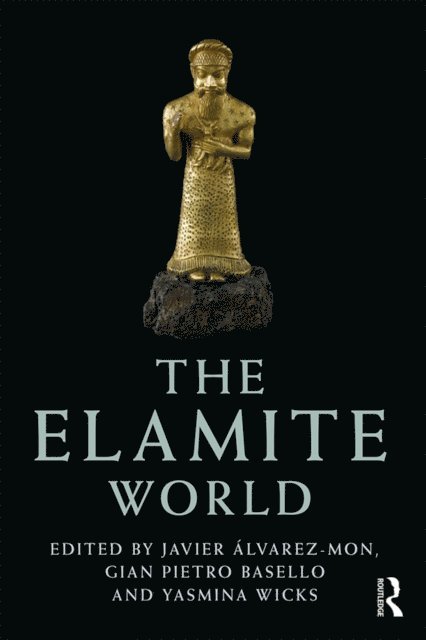
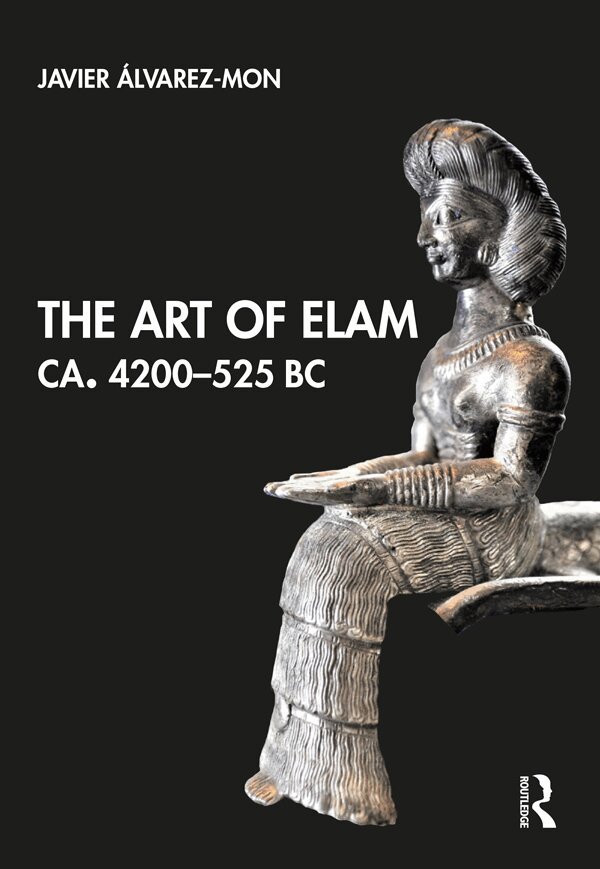
    Javier Álvarez-Mon, a native of Spain, holds degrees in ancient Near Eastern art and archaeology from the École du Louvre (Paris) and the University of California at Berkeley (USA), and in Religious Studies and Theology from the Graduate Theological Union and Jesuit School of Theology at Berkeley. A 2003 Fulbright-Hays (DDRA) Fellow and 2014–2018 Future Fellow (Australian Research Council), he has taught at the University of Sydney (Australia) and is presently Professor in Near Eastern Archaeology and Art at Macquarie University, Sydney (Australia). He is author and co-editor of numerous articles dedicated to the ancient Iranian civilizations of Elam and early Persia, as well as several books: The Arjan Tomb (2010), Elam and Persia (2011), The Elamite World (with Basello and Wicks, 2018), The Monumental Reliefs of the Elamite Highlands: A Complete Inventory and Analysis (from the Seventeenth to the Sixth Century BC) (2019), and The Art of Elam ca. 4200–525 BC (2020).

    Recensioner i media

    "Achaemenid royal art has long been regarded as a unified and seemingly immutable tradition, yet the earliest works already stood apart in their originality, above all in the architecture and visual arts inaugurated by Cyrus at Pasargadae, before being perfected and canonized under Darius. In this masterful study, J. A.-M. radically renews our vision of these foundations, pursuing their every nuance with prodigious erudition and a command of the older artistic traditions of Elam, Mesopotamia, Egypt, Anatolia, and the Levant. By reconstructing the genealogy of motifs from the dawn of the first millennium BC to the birth of Persian art, he not only illuminates the intricate processes of inheritance, transformation, and innovation that culminated in the Achaemenid idiom but also restores to Elamite art—a domain in which he is an undisputed authority — the central and innovative role it played in this story."~ Rémy Boucharlat"Drawing on his previous research on the history and civilization of ancient Elam, Javier Álvarez-Mon reopens the much-debated issue of the genesis of the art that developed during the time of the Great Kings, particularly at Pasargadae under the reigns of Cyrus (around 550-530) and his son Cambyses (530-522), but also in the high places built and decorated under Darius I (522-486), namely Susa, Persepolis, Bisutun and Naqš-i Rustam. Following in the footsteps of a lineage of archaeologists and art historians, he profoundly renews a question that has always confronted historians: how to explain both the seemingly sudden birth of what was the first world empire of Antiquity (the Persian-Achaemenid Empire), and that of aulic art, which expresses the conceptions and ambitions of the new rulers? The author offers essential keys that shed light on what was still imperfectly understood and he opens up avenues for the future."~ Pierre Briant, Emeritus College de France, Paris.

    Innehållsförteckning

    • Preface; Introduction; PART I – BIRTH OF PERSIAN ART AT PASARGADAE; PART II – EARLY PERSIAN CEREMONIAL AND POLITICAL LANDSCAPES; PART III – PERSIAN ART [RE]DEFINED; Appendices; Bibliography; Index.