• Fri frakt över 249 kr
  • •
  • Snabba leveranser
  • •
  • Billiga böcker
Kundservice

Du är på sajten för privatpersoner.

Företag, bibliotek eller offentlig verksamhet?

Du handlar på classic.bokus.com, där alla dina funktioner finns intakta.
Till classic.bokus.com
Bokus logotyp. Gå till startsidan.
  • Erbjudanden
  • Student
  • Topplistor
  • Barn & ungdom
  • Bokus Play
  • E-böcker
  • Ljudböcker
  • Pocketböcker
  • Spel och pussel

Pocketfynda! Hundratals böcker för 49 kr/st →

Sidfot

Mina sidor

    Hjälp

    • Kundservice
    • Vanliga frågor och svar
    • Frakt och leverans
    • Retur vid ångerrätt
    • Reklamera vara
    • Betalning
    • Köpvillkor
    • Allmänna villkor
    • Information om webbplatsens tillgänglighet

    Om Bokus

    • Om oss
    • Pressrum
    • För studenter
    • För företag
    • För bibliotek och offentlig verksamhet
    • För leverantörer
    • Hållbarhet

    Populärt

    • Aktuella erbjudanden
    • Presentkort
    • Studentlitteratur
    • Nya böcker
    • Topplistor
    • Signerade böcker
    • Engelska böcker

    Inspiration

    • Boktips
    • BookTok
    • Barnbokskaraktärer
    • Populära författare
    Logotyp för Bokus
    Följ oss på Facebook (extern länk)Följ oss på Instagram (extern länk)Följ oss på YouTube (extern länk)Följ oss på TikTok (extern länk)
    bokus @ CookiesAnpassa cookiesIntegritetspolicyKöpvillkor
    Till Citymail hemsida (extern länk)Till Budbee hemsida (extern länk)Till Postnord hemsida (extern länk)Till Schenker hemsida (extern länk)Till Early Bird hemsida (extern länk)Till Walleys hemsida (extern länk)
    1. Psykologi och pedagogik
    2. Pedagogik
    3. Pedagogisk psykologi

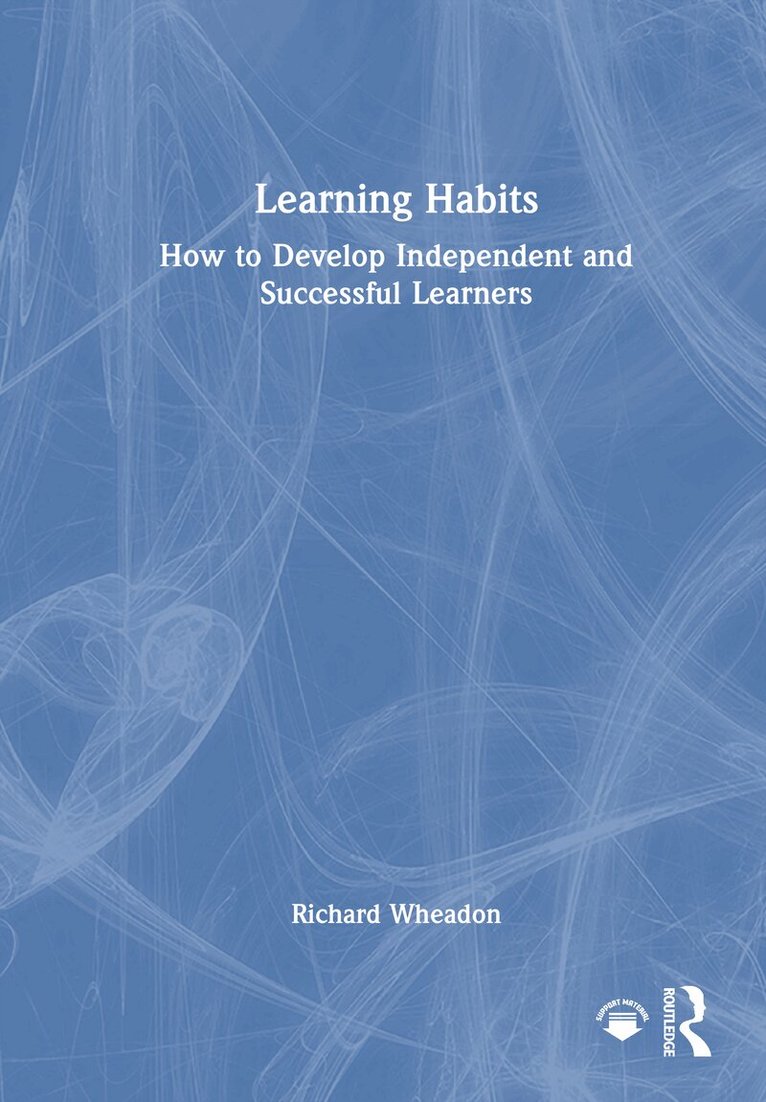
    Learning Habits

    How to Develop Independent and Successful Learners

    AvRichard Wheadon

    Inbunden, Engelska, 2026

    2 343 kr

    Beställningsvara. Skickas inom 10-15 vardagar. Fri frakt över 249 kr.

    Fler format och utgåvor

    Häftad

    280 kr

    E-bok

    310 kr

    E-bok

    310 kr

    Beskrivning

    What makes some students thrive while others struggle? This exciting book reveals how teachers can help young people become expert learners—curious, resilient, and capable of thinking for themselves.Drawing on educational and psychological research, this book explores three key themes—how we learn, the challenges of thinking, and habit formation—providing a clear practical framework to help students develop more effective, lasting learning habits. It explains how students absorb and forget information, the limits of working memory, the importance of self-control, and how cognitive biases affect decision-making alongside strategies to foster critical thinking. Providing actionable guidance for supporting learning in school and at home, this book includes:Memorable stories of real experiences and case studies designed to create an emotional impact and help ideas about learning habits "stick" with readersStudent-friendly demonstrations of scientific experiments which can be downloaded from www.routledge.com/9781041096382, showing surprising and counterintuitive aspects of how we learn, think, and form habitsChapter summaries, images, and a dedicated scenarios chapter to make the key messages easy to follow, revisit, and applyWith additional guidance on the role of AI in education and using technology effectively, this is essential reading for teachers and parents wanting to help children and young people develop effective, sustainable learning habits.

    Produktinformation

    • Utgivningsdatum:2026-02-25
    • Mått:174 x 246 x 16 mm
    • Vikt:540 g
    • Format:Inbunden
    • Språk:Engelska
    • Antal sidor:194
    • Förlag:Taylor & Francis Ltd
    • ISBN:9781041096399

    Utforska kategorier

    • Pedagogisk psykologi inom Psykologi och pedagogik
    • Skolan och förskolan inom Psykologi och pedagogik
    • Lärarutbildning inom Psykologi och pedagogik

    Mer om författaren

    Richard Wheadon has nearly 20 years of teaching experience. He previously oversaw teaching and learning in a large comprehensive school and was recently awarded a Fellowship by the Chartered College of Teaching. He has presented at education conferences in the United Kingdom and abroad.

    Recensioner i media

    Learning Habits by Richard Wheadon is timely, as it shifts the focus from teaching practice to student learning, thinking and habit formation. Wheadon shares his vast experiences, as a classroom teacher, leader and parent and combines this with an extensive evidence base. How can schools share the knowledge and insight from cognitive science with their students, parents and the wider school community? Wheadon helps to make this possible with practical advice, suggestions and scenarios.Kate Jones: Best Selling Author and Senior Associate for Teaching and Learning at Evidence Based EducationRichard Wheadon’s Learning Habits: How to Develop Independent and Successful Learners provides a thoughtfully considered exploration, from an experts point of view, as to how we can create learners who not only know things but know what to do with that knowledge too. An excellent read from EYFS to University.'Zoe Enser – School Improvement Lead The Education Partnership Trust In Learning Habits, Wheadon offers a fascinating perspective on the science of learning. By exploring areas such as knowledge acquisition, learning biases and habit formation, he makes a compelling case for the application of cognitive science to the classroom context. A very useful book for teachers of all ages. Mark Roberts, Director of Research and English teacher, Carrickfergus Grammar SchoolWheadon offers a clear and unique insight into learning habits and their implications for teaching. Wheadon weaves a comprehensive research base together with familiar practical challenges, making this book an engaging read and a vital companion for improvement efforts. The content is challenging but Wheadon creates a narrative of complex ideas that make that content digestible and crucially, actionable.Adam Kohlbeck – Primary Deputy Head and co-founder of EduPulse

    Innehållsförteckning

    • ContentsPreface Introduction - What Does a Successful Independent Learner Look Like? 1. How Do We Learn?a. The Role of Cognitive Scienceb. Working Memory Is Limitedc. Why Do We Need to Remember?d. Why Is Remembering So Hard?e. Why Do Students Forget and What Can We Do About It?f. The Importance of Schemasg. Desirable Difficulties Dilemma2. The Challenges with Thinking a. The Role of Bias in Learning b. Overcoming Bias c. The Psychology Behind Our Statistical Blind Spots d. Nudge Theory e. Noise – Measuring Variability in Learning Habits 3. The Challenge of Change a. The Curse of Self-Gratification b. The Misunderstanding of Motivation c. Counting What Counts: Motivation Through Measurement d. How habits Are Born4. Creating Learning Habits a. Habit Loops b. Making the Unconscious Contentious c. Design for Success: Start Small, Shape the Space d. The Power of Believe e. Belonging the Missing Link in Habit Formation f. Tipping Points 5. AI: Can We Outsource Effort Without Losing Learning? a. The Hidden Cost of AI Convenience b. Harnessing AI for Learning: Principles Grounded in Cognitive Science c. Applying Cognitive Science Through Adaptive Flashcards d. AI Tutors in Education: Promise with Precautions e. Feedback: Why It’s Not What AI Says, But What Students Do 6. The Path to Expertise: Accelerating Learning Habits a. How Novices Think Different to Experts b. The Case of Overconfidence c. How Do We Make Decisions d. Developing Better Mental Models e. Using Scenarios to Accelerate Learning Habits 7. ConclusionGlossaryIndex