Inbunden, Engelska, 2026
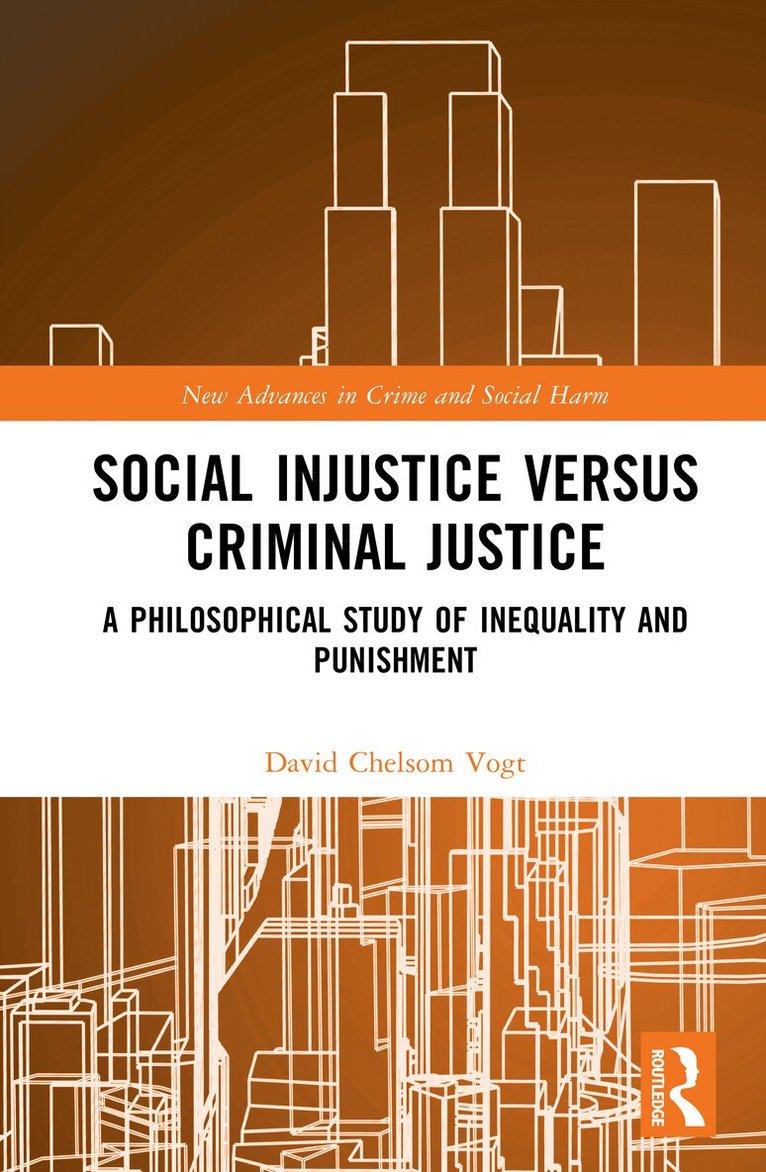
Social Injustice versus Criminal Justice
2279 kr
Kommande
Beskrivning
This book explores why social inequality undermines the justice of our penal systems. It takes as its starting point the fact that socially deprived persons are more likely than others to be targeted by the criminal justice system. Empirical research on crime and punishment has long established that a disproportionately large share of those who receive state punishment, especially incarceration, is recruited among the poor, the socially marginalized, racial minorities, and victims of adverse childhood experiences such as abuse and neglect. Given this well-established empirical connection between social deprivation and punishment, the study asks why this connection matters. Drawing on legal philosophy, criminology, criminal law theory and political theory, it examines the normative relevance of social injustice for criminal justice. As the issue of criminal justice reform is currently high on the political agenda in many countries, the book contributes to ongoing political debates by considering how to operationalize its philosophical conclusions. The resulting policy recommendations are grounded in a thorough investigation into the limits of using criminal justice to pursue social justice. With results that are both theoretically groundbreaking and practically relevant, the work will be a valuable resource for academics, researchers and policy-makers working in the areas of Criminal Justice.
Produktinformation
- Utgivningsdatum: 2026-11-23
- Mått: 156 x 234 x undefined mm
- Format: Inbunden
- Språk: Engelska
- Serie: New Advances in Crime and Social Harm
- Antal sidor: 274
- Förlag: Taylor & Francis Ltd
- ISBN: 9781041393252
Utforska kategorier
Betyg & recensioner
0 recensioner
Inga recensioner tillgängliga.