• Fri frakt över 249 kr
  • •
  • Snabba leveranser
  • •
  • Billiga böcker
Kundservice

Du är på sajten för privatpersoner.

Företag, bibliotek eller offentlig verksamhet?

Du handlar på classic.bokus.com, där alla dina funktioner finns intakta.
Till classic.bokus.com
Bokus logotyp. Gå till startsidan.
  • Erbjudanden
  • Nyheter
  • Student
  • Topplistor
  • Barn & ungdom
  • Bokus Play
  • E-böcker
  • Pocketböcker
  • Spel & pussel

10% rabatt på allt med kod: NYSTART10 →

Sidfot

Mina sidor

    Hjälp

    • Kundservice
    • Vanliga frågor och svar
    • Frakt och leverans
    • Retur vid ångerrätt
    • Reklamera vara
    • Betalning
    • Köpvillkor
    • Allmänna villkor
    • Information om webbplatsens tillgänglighet

    Om Bokus

    • Om oss
    • Pressrum
    • För studenter
    • För företag
    • För bibliotek och offentlig verksamhet
    • För leverantörer
    • Hållbarhet

    Populärt

    • Aktuella erbjudanden
    • Presentkort
    • Studentlitteratur
    • Nya böcker
    • Topplistor
    • Signerade böcker
    • Engelska böcker

    Inspiration

    • Boktips
    • BookTok
    • Populära bokserier
    • Barnbokskaraktärer
    • Populära författare
    Logotyp för Bokus
    Följ oss på Facebook (extern länk)Följ oss på Instagram (extern länk)Följ oss på YouTube (extern länk)Följ oss på TikTok (extern länk)
    bokus @ CookiesAnpassa cookiesIntegritetspolicyKöpvillkor
    Till Citymail hemsida (extern länk)Till Budbee hemsida (extern länk)Till Postnord hemsida (extern länk)Till Schenker hemsida (extern länk)Till Early Bird hemsida (extern länk)Till Walleys hemsida (extern länk)
    1. Naturvetenskap och teknik
    2. Matematik och naturvetenskap
    3. Naturvetenskap:allmänt
    4. Naturvetenskapens historia

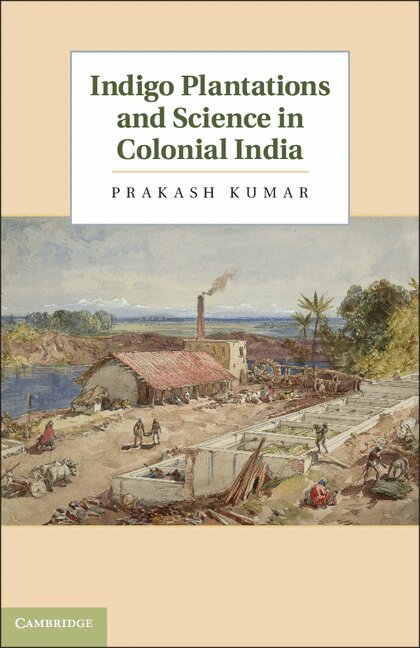
    Indigo Plantations and Science in Colonial India

    AvPrakash Kumar

    Inbunden, Engelska, 2012

    1 482 kr

    Beställningsvara. Skickas inom 10-15 vardagar. Fri frakt över 249 kr.

    Beskrivning

    Prakash Kumar documents the history of agricultural indigo, exploring the effects of nineteenth-century globalisation on this colonial industry. Charting the indigo culture from the early modern period to the twentieth century, Kumar discusses how knowledge of indigo culture thrived among peasant traditions on the Indian subcontinent in the early modern period and was then developed by Caribbean planters and French naturalists who codified this knowledge into widely disseminated texts. European planters who settled in Bengal with the establishment of British rule in the late eighteenth century drew on this information. From the nineteenth century, indigo culture became more modern, science-based and expert driven, and with the advent of a cheaper, purer synthetic indigo in 1897, indigo science crossed paths with the colonial state's effort to develop a science for agricultural development. Only at the end of the First World War, when the industrial use of synthetic indigo for textile dyeing and printing became almost universal, did the indigo industry's optimism fade away.

    Produktinformation

    • Utgivningsdatum:2012-08-27
    • Mått:163 x 235 x 23 mm
    • Vikt:630 g
    • Format:Inbunden
    • Språk:Engelska
    • Antal sidor:350
    • Förlag:Cambridge University Press
    • ISBN:9781107023253

    Utforska kategorier

    • Naturvetenskapens historia inom Naturvetenskap och teknik

    Mer om författaren

    Prakash Kumar is Assistant Professor of South Asian History at Colorado State University.

    Recensioner i media

    'In examining the history of indigo cultivation and agricultural science in India, Kumar lucidly explores the intersection between imperial systems, technological modernity, and global knowledge diasporas. The book combines exemplary research with insightful and challenging theorization about the application and understanding of science in a colonial setting.' David Arnold, Emeritus Professor of Asian and Global History, University of Warwick

    Innehållsförteckning

    • Introduction: the odyssey of indigo; 1. The world of indigo plantations: diasporas and knowledge; 2. The course of colonial modernity: negotiating the landscape in Bengal; 3. Colony and the external arena: seeking validation in the market; 4. Local science: agricultural institutions in the age of nationalism; 5. The last stand in science and rationalization; 6. A lasting definition of improvement in the era of world war.