• Fri frakt över 249 kr
  • •
  • Snabba leveranser
  • •
  • Billiga böcker
Kundservice

Du är på sajten för privatpersoner.

Företag, bibliotek eller offentlig verksamhet?

Du handlar på classic.bokus.com, där alla dina funktioner finns intakta.
Till classic.bokus.com
Bokus logotyp. Gå till startsidan.
  • Erbjudanden
  • Nyheter
  • Student
  • Topplistor
  • Barn & ungdom
  • Bokus Play
  • E-böcker
  • Pocketböcker
  • Spel & pussel

10% rabatt på allt med kod: NYSTART10 →

Sidfot

Mina sidor

    Hjälp

    • Kundservice
    • Vanliga frågor och svar
    • Frakt och leverans
    • Retur vid ångerrätt
    • Reklamera vara
    • Betalning
    • Köpvillkor
    • Allmänna villkor
    • Information om webbplatsens tillgänglighet

    Om Bokus

    • Om oss
    • Pressrum
    • För studenter
    • För företag
    • För bibliotek och offentlig verksamhet
    • För leverantörer
    • Hållbarhet

    Populärt

    • Aktuella erbjudanden
    • Presentkort
    • Studentlitteratur
    • Nya böcker
    • Topplistor
    • Signerade böcker
    • Engelska böcker

    Inspiration

    • Boktips
    • BookTok
    • Populära bokserier
    • Barnbokskaraktärer
    • Populära författare
    Logotyp för Bokus
    Följ oss på Facebook (extern länk)Följ oss på Instagram (extern länk)Följ oss på YouTube (extern länk)Följ oss på TikTok (extern länk)
    bokus @ CookiesAnpassa cookiesIntegritetspolicyKöpvillkor
    Till Citymail hemsida (extern länk)Till Budbee hemsida (extern länk)Till Postnord hemsida (extern länk)Till Schenker hemsida (extern länk)Till Early Bird hemsida (extern länk)Till Walleys hemsida (extern länk)
    1. Psykologi och pedagogik
    2. Psykologi
    3. Barnpsykologi och utvecklingspsykologi

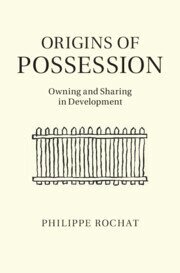
    Origins of Possession

    Owning and Sharing in Development

    AvPhilippe Rochat

    Inbunden, Engelska, 2014

    1 310 kr

    Beställningsvara. Skickas inom 10-15 vardagar. Fri frakt över 249 kr.

    Fler format och utgåvor

    Häftad

    476 kr

    Beskrivning

    Human possession psychology originates from deeply rooted experiential capacities shared with other animals. However, unlike other animals, we are a uniquely self-conscious species concerned with reputation, and possessions affect our perception of how we exist in the eyes of others. This book discusses the psychology surrounding the ways in which humans experience possession, claim ownership, and share from both a developmental and cross-cultural perspective. Philippe Rochat explores the origins of human possession and its symbolic development across cultures. He proposes that human possession psychology is particularly revealing of human nature, and also the source of our elusive moral sense.

    Produktinformation

    • Utgivningsdatum:2014-09-11
    • Mått:155 x 235 x 22 mm
    • Vikt:600 g
    • Format:Inbunden
    • Språk:Engelska
    • Antal sidor:336
    • Förlag:Cambridge University Press
    • ISBN:9781107032125

    Utforska kategorier

    • Barnpsykologi och utvecklingspsykologi inom Psykologi och pedagogik
    • Psykologi: jaget, identitet och personlighet inom Psykologi och pedagogik

    Mer om författaren

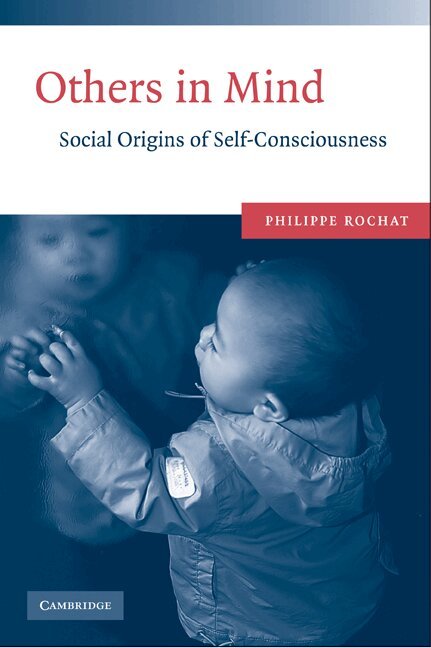
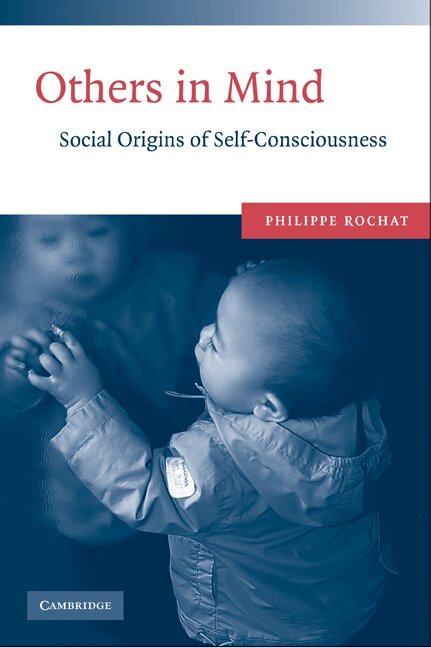
    Philippe Rochat is Professor of Psychology at Emory University, Atlanta and the head of the Emory Infant and Child Laboratory. His research focuses on the developmental origins of human self-awareness and social cognition in infants and children growing up in different social and cultural circumstances. His work includes Others in Mind (Cambridge, 2009), The Infant's World (2001), Early Social Cognition (1999) and The Self in Infancy (1995).

    Recensioner i media

    'Throughout his work, Philippe Rochat attempts to identify what is uniquely human. In this book he yet again moves one step closer to a truly intellectually satisfying description. Origins of Possession is essential reading for all those of us who are in the profession of working with the human mind, particularly when it is troubled and is at risk of losing its essential qualities of self-awareness and symbolization. It is a highly significant contribution which builds on Rochat's unparalleled depth of understanding of child development to deliver a view of the nature and experience of possession that transcends development and individual differences - and illuminates both - whilst striking very close to what lies at the core of our experience of ourselves and of others as sentient beings.' Peter Fonagy, Freud Memorial Professor of Psychoanalysis and Head, Research Department of Clinical, Educational and Health Psychology, University College London

    Innehållsförteckning

    • Introduction: making sense of human possession; Part I. Psychology: Principles of Human Possession: 1. Experiencing possession; 2. Claiming ownership; 3. Possession and ownership transfer; 4. Symbolic spinoffs of possession; Part II. Development: Human Ontogeny of Possession: 5. First possession; 6. Ownership in development; 7. Sharing in development; Part III. Culture: Human Possession in Context: 8. Culture and possession; 9. Possession in children across cultures; Conclusion: great transformation.