• Fri frakt över 249 kr
  • •
  • Snabba leveranser
  • •
  • Billiga böcker
Kundservice

Du är på sajten för privatpersoner.

Företag, bibliotek eller offentlig verksamhet?

Du handlar på classic.bokus.com, där alla dina funktioner finns intakta.
Till classic.bokus.com
Bokus logotyp. Gå till startsidan.
  • Erbjudanden
  • Nyheter
  • Student
  • Topplistor
  • Barn & ungdom
  • Bokus Play
  • E-böcker
  • Pocketböcker
  • Spel & pussel

10% studentrabatt med kod TERM26

Sidfot

Mina sidor

    Hjälp

    • Kundservice
    • Vanliga frågor och svar
    • Frakt och leverans
    • Retur vid ångerrätt
    • Reklamera vara
    • Betalning
    • Köpvillkor
    • Allmänna villkor
    • Information om webbplatsens tillgänglighet

    Om Bokus

    • Om oss
    • Pressrum
    • För studenter
    • För företag
    • För bibliotek och offentlig verksamhet
    • För leverantörer
    • Hållbarhet

    Populärt

    • Aktuella erbjudanden
    • Presentkort
    • Studentlitteratur
    • Nya böcker
    • Topplistor
    • Signerade böcker
    • Engelska böcker

    Inspiration

    • Boktips
    • BookTok
    • Populära bokserier
    • Barnbokskaraktärer
    • Populära författare
    Logotyp för Bokus
    Följ oss på Facebook (extern länk)Följ oss på Instagram (extern länk)Följ oss på YouTube (extern länk)Följ oss på TikTok (extern länk)
    bokus @ CookiesAnpassa cookiesIntegritetspolicyKöpvillkor
    Till Citymail hemsida (extern länk)Till Budbee hemsida (extern länk)Till Postnord hemsida (extern länk)Till Schenker hemsida (extern länk)Till Early Bird hemsida (extern länk)Till Walleys hemsida (extern länk)
    1. Historia och arkeologi
    2. Historia
    3. Europas historia

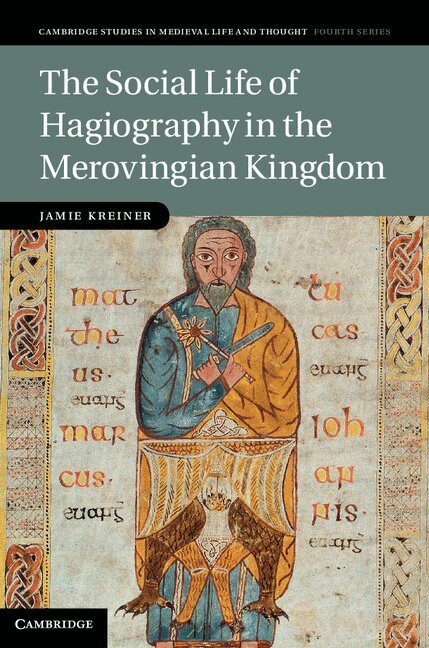
    The Social Life of Hagiography in the Merovingian Kingdom

    AvJamie Kreiner

    Inbunden, Engelska, 2014

    Del 96 i serien Cambridge Studies in Medieval Life and Thought: Fourth Series

    1 375 kr

    Beställningsvara. Skickas inom 10-15 vardagar. Fri frakt över 249 kr.

    Fler format och utgåvor

    Häftad

    477 kr

    Beskrivning

    This book charts the influence of Christian ideas about social responsibility on the legal, fiscal and operational policies of the Merovingian government, which consistently depended upon the collaboration of kings and elites to succeed, and it shows how a set of stories transformed the political playing field in early medieval Gaul. Contemporary thinkers encouraged this development by writing political arguments in the form of hagiography, more to redefine the rules and resources of elite culture than to promote saints' cults. Jamie Kreiner explores how hagiographers were able to do this effectively, by layering their arguments with different rhetorical and cognitive strategies while keeping the surface narratives entertaining. The result was a subtle and captivating literature that gives us new ways of thinking about how ideas and institutions can change, and how the vibrancy of Merovingian culture inspired subsequent Carolingian developments.

    Produktinformation

    • Utgivningsdatum:2014-04-03
    • Mått:150 x 231 x 25 mm
    • Vikt:610 g
    • Format:Inbunden
    • Språk:Engelska
    • Serie:Cambridge Studies in Medieval Life and Thought: Fourth Series
    • Antal sidor:342
    • Förlag:Cambridge University Press
    • ISBN:9781107050655

    Utforska kategorier

    • Europas historia inom Historia och arkeologi

    Mer om författaren

    Jamie Kreiner is Assistant Professor of History at the University of Georgia where she researches and teaches the history of Late Antiquity and the Middle Ages.

    Recensioner i media

    'Kreiner is both an engaging analyst of hagiography and an efficient guide through the 'real world' of Merovingian society. … provides us with a rich and subtle examination of the way that hagiographical literature could be constructed in the early Middle Ages.' Richard Sowerby, Early Medieval Europe

    Innehållsförteckning

    • Introduction; 1. Hagiographical argument and legal culture; 2. The style and science of persuasion; 3. Double-scope narrative and the economy of government; 4. Property and community beyond the cult; 5. The Carolingian synthesis; Appendix; Bibliography; Index.