• Fri frakt över 249 kr
  • •
  • Snabba leveranser
  • •
  • Billiga böcker
Kundservice

Du är på sajten för privatpersoner.

Företag, bibliotek eller offentlig verksamhet?

Du handlar på classic.bokus.com, där alla dina funktioner finns intakta.
Till classic.bokus.com
Bokus logotyp. Gå till startsidan.
  • Erbjudanden
  • Nyheter
  • Student
  • Topplistor
  • Barn & ungdom
  • Bokus Play
  • E-böcker
  • Pocketböcker
  • Spel & pussel

10% rabatt på allt med kod: NYSTART10 →

Sidfot

Mina sidor

    Hjälp

    • Kundservice
    • Vanliga frågor och svar
    • Frakt och leverans
    • Retur vid ångerrätt
    • Reklamera vara
    • Betalning
    • Köpvillkor
    • Allmänna villkor
    • Information om webbplatsens tillgänglighet

    Om Bokus

    • Om oss
    • Pressrum
    • För studenter
    • För företag
    • För bibliotek och offentlig verksamhet
    • För leverantörer
    • Hållbarhet

    Populärt

    • Aktuella erbjudanden
    • Presentkort
    • Studentlitteratur
    • Nya böcker
    • Topplistor
    • Signerade böcker
    • Engelska böcker

    Inspiration

    • Boktips
    • BookTok
    • Populära bokserier
    • Barnbokskaraktärer
    • Populära författare
    Logotyp för Bokus
    Följ oss på Facebook (extern länk)Följ oss på Instagram (extern länk)Följ oss på YouTube (extern länk)Följ oss på TikTok (extern länk)
    bokus @ CookiesAnpassa cookiesIntegritetspolicyKöpvillkor
    Till Citymail hemsida (extern länk)Till Budbee hemsida (extern länk)Till Postnord hemsida (extern länk)Till Schenker hemsida (extern länk)Till Early Bird hemsida (extern länk)Till Walleys hemsida (extern länk)
    1. Samhälle och politik
    2. Samhälle och kultur
    3. Kultur och medier
    4. Kulturvetenskap

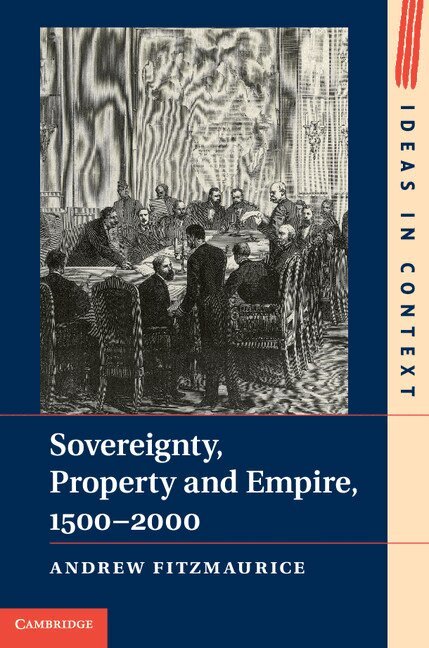
    Sovereignty, Property and Empire, 1500-2000

    AvAndrew Fitzmaurice

    Inbunden, Engelska, 2014

    Del 107 i serien Ideas in Context

    1 536 kr

    Beställningsvara. Skickas inom 10-15 vardagar. Fri frakt över 249 kr.

    Fler format och utgåvor

    Häftad

    463 kr

    Beskrivning

    This book analyses the laws that shaped modern European empires from medieval times to the twentieth century. Its geographical scope is global, including the Americas, Europe, Africa, Asia, Australia and the Poles. Andrew Fitzmaurice focuses upon the use of the law of occupation to justify and critique the appropriation of territory. He examines both discussions of occupation by theologians, philosophers and jurists, as well as its application by colonial publicists and settlers themselves. Beginning with the medieval revival of Roman law, this study reveals the evolution of arguments concerning the right to occupy through the School of Salamanca, the foundation of American colonies, seventeenth-century natural law theories, Enlightenment philosophers, eighteenth-century American colonies and the new American republic, writings of nineteenth-century jurists, debates over the carve up of Africa, twentieth-century discussions of the status of Polar territories, and the period of decolonisation.

    Produktinformation

    • Utgivningsdatum:2014-10-23
    • Mått:152 x 229 x 22 mm
    • Vikt:700 g
    • Format:Inbunden
    • Språk:Engelska
    • Serie:Ideas in Context
    • Antal sidor:400
    • Förlag:Cambridge University Press
    • ISBN:9781107076495

    Utforska kategorier

    • Kulturvetenskap inom Samhälle och politik

    Mer om författaren

    Andrew Fitzmaurice is Associate Professor of History at the University of Sydney. He is the author of Humanism and America: An Intellectual History of English Colonisation, 1500-1625 (Cambridge, 2003), and co-editor of Shakespeare and Early Modern Political Thought (Cambridge, 2009).

    Recensioner i media

    'Occupancy, property, and the right and the power to possess are, as Andrew Fitzmaurice says at the beginning of his ambitious and compelling new book, the basis of all human societies and the foundations of all (Western) political thinking.' Anthony Pagden, The Journal of Modern History

    Innehållsförteckning

    • Acknowledgements; 1. Introduction; 2. Occupation from Roman law to Salamanca; 3. The Salamanca School in England; 4. Occupation and convention; 5. Theories of occupation in the eighteenth century; 6. The Seven Years' War, land speculation and the American Revolution; 7. Occupation in the nineteenth century; 8. Res nullius and sovereignty; 9. Territorium nullius and Africa; 10. Terra nullius and the Polar regions; 11. Conclusion; Bibliography; Index.