• Fri frakt över 249 kr
  • •
  • Snabba leveranser
  • •
  • Billiga böcker
Kundservice

Du är på sajten för privatpersoner.

Företag, bibliotek eller offentlig verksamhet?

Du handlar på classic.bokus.com, där alla dina funktioner finns intakta.
Till classic.bokus.com
Bokus logotyp. Gå till startsidan.
  • Erbjudanden
  • Nyheter
  • Student
  • Topplistor
  • Barn & ungdom
  • Bokus Play
  • E-böcker
  • Pocketböcker
  • Spel & pussel

10% rabatt på allt med kod: NYSTART10 →

Sidfot

Mina sidor

    Hjälp

    • Kundservice
    • Vanliga frågor och svar
    • Frakt och leverans
    • Retur vid ångerrätt
    • Reklamera vara
    • Betalning
    • Köpvillkor
    • Allmänna villkor
    • Information om webbplatsens tillgänglighet

    Om Bokus

    • Om oss
    • Pressrum
    • För studenter
    • För företag
    • För bibliotek och offentlig verksamhet
    • För leverantörer
    • Hållbarhet

    Populärt

    • Aktuella erbjudanden
    • Presentkort
    • Studentlitteratur
    • Nya böcker
    • Topplistor
    • Signerade böcker
    • Engelska böcker

    Inspiration

    • Boktips
    • BookTok
    • Populära bokserier
    • Barnbokskaraktärer
    • Populära författare
    Logotyp för Bokus
    Följ oss på Facebook (extern länk)Följ oss på Instagram (extern länk)Följ oss på YouTube (extern länk)Följ oss på TikTok (extern länk)
    bokus @ CookiesAnpassa cookiesIntegritetspolicyKöpvillkor
    Till Citymail hemsida (extern länk)Till Budbee hemsida (extern länk)Till Postnord hemsida (extern länk)Till Schenker hemsida (extern länk)Till Early Bird hemsida (extern länk)Till Walleys hemsida (extern länk)
    1. Filosofi och religion
    2. Filosofi
    3. Filosofiska discipliner

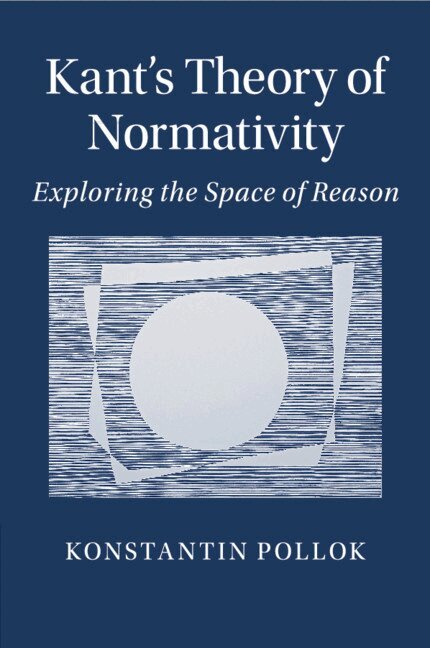
    Kant's Theory of Normativity

    Exploring the Space of Reason

    AvKonstantin Pollok

    Inbunden, Engelska, 2017

    1 379 kr

    Beställningsvara. Skickas inom 10-15 vardagar. Fri frakt över 249 kr.

    Fler format och utgåvor

    Häftad

    463 kr

    Beskrivning

    Konstantin Pollok offers the first book-length analysis of Kant's theory of normativity that covers foundational issues in theoretical and practical philosophy as well as aesthetics. Interpreting Kant's 'critical turn' as a normative turn, he argues that Kant's theory of normativity is both original and radical: it departs from the perfectionist ideal of early modern rationalism, and arrives at an unprecedented framework of synthetic a priori principles that determine the validity of our judgments. Pollok examines the hylomorphism in Kant's theory of normativity and relates Kant's idea of our reason's self-legislation to the 'natural right' tradition, revealing Kant's debt to his predecessors as well as his relevance to contemporary debates on normativity. This book will appeal to academic researchers and advanced students of Kant, early modern philosophy and intellectual history.

    Produktinformation

    • Utgivningsdatum:2017-02-02
    • Mått:152 x 229 x 21 mm
    • Vikt:640 g
    • Format:Inbunden
    • Språk:Engelska
    • Antal sidor:344
    • Förlag:Cambridge University Press
    • ISBN:9781107127807

    Utforska kategorier

    • Filosofiska discipliner inom Filosofi och religion

    Mer om författaren

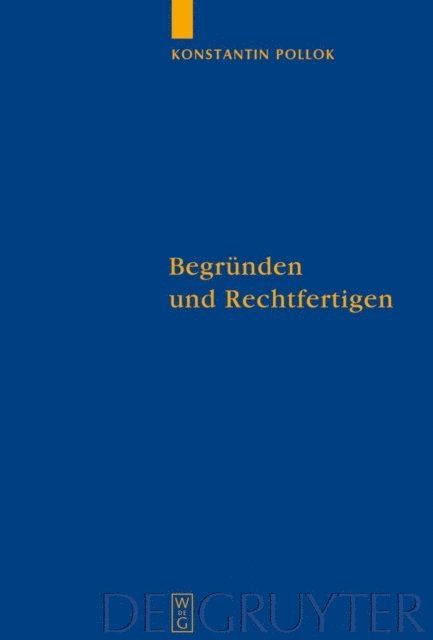
    Konstantin Pollok is Professor of Philosophy at the University of South Carolina, Columbia. He is the author of Kants Metaphysische Anfangsgründe der Naturwissenschaft: Ein Kritischer Kommentar (2001) and Begründen und Rechtfertigen: Eine Untersuchung zum Verhältnis zwischen rationalen Erfordernissen und prävalenten Handlungsgründen (2009).

    Recensioner i media

    'Pollok's book deserves close engagement; it is … uncommonly demanding, but it is also uncommonly rich.' Yoon H. Choi, Notre Dame Philosophical Review

    Innehållsförteckning

    • Preface and acknowledgments; Abbreviations; Part I. From the Clarity of Ideas to the Validity of Judgments: 1. Kant's farewell to perfectionism; 2. The concept of judgment and the divisions of philosophy ; 3. Kant's taxonomy of judgments; Part II. Kant's Transcendental Hylomorphism: 4. Hylomorphism and normativity; 5. Determinable sensibility and intellectual determination; Part III. The Legislation of Pure Reason: 6. 'Reason prescribes laws to us'; 7. The normativity of judgments of experience; 8. The normativity of practical judgments; 9. The normativity of judgments of taste; Epilogue: Kant's moderate forms of transcendental and political idealism; Bibliography; Index.