• Fri frakt över 249 kr
  • •
  • Snabba leveranser
  • •
  • Billiga böcker
Kundservice

Du är på sajten för privatpersoner.

Företag, bibliotek eller offentlig verksamhet?

Du handlar på classic.bokus.com, där alla dina funktioner finns intakta.
Till classic.bokus.com
Bokus logotyp. Gå till startsidan.
  • Erbjudanden
  • Nyheter
  • Student
  • Topplistor
  • Barn & ungdom
  • Bokus Play
  • E-böcker
  • Pocketböcker
  • Spel & pussel

10% rabatt på allt med kod: NYSTART10 →

Sidfot

Mina sidor

    Hjälp

    • Kundservice
    • Vanliga frågor och svar
    • Frakt och leverans
    • Retur vid ångerrätt
    • Reklamera vara
    • Betalning
    • Köpvillkor
    • Allmänna villkor
    • Information om webbplatsens tillgänglighet

    Om Bokus

    • Om oss
    • Pressrum
    • För studenter
    • För företag
    • För bibliotek och offentlig verksamhet
    • För leverantörer
    • Hållbarhet

    Populärt

    • Aktuella erbjudanden
    • Presentkort
    • Studentlitteratur
    • Nya böcker
    • Topplistor
    • Signerade böcker
    • Engelska böcker

    Inspiration

    • Boktips
    • BookTok
    • Populära bokserier
    • Barnbokskaraktärer
    • Populära författare
    Logotyp för Bokus
    Följ oss på Facebook (extern länk)Följ oss på Instagram (extern länk)Följ oss på YouTube (extern länk)Följ oss på TikTok (extern länk)
    bokus @ CookiesAnpassa cookiesIntegritetspolicyKöpvillkor
    Till Citymail hemsida (extern länk)Till Budbee hemsida (extern länk)Till Postnord hemsida (extern länk)Till Schenker hemsida (extern länk)Till Early Bird hemsida (extern länk)Till Walleys hemsida (extern länk)
    1. Samhälle och politik
    2. Sociologi och antropologi
    3. Antropologi

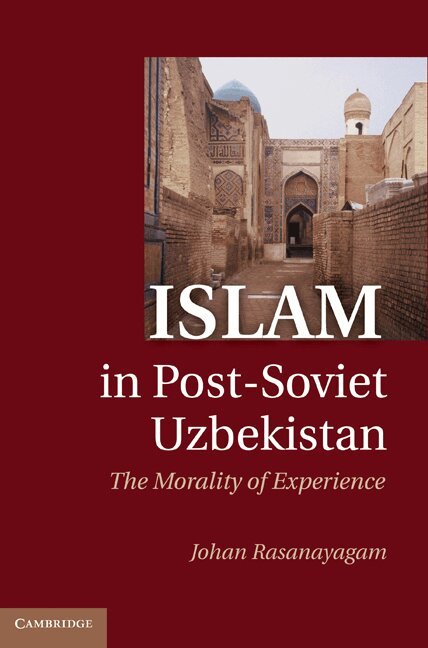
    Islam in Post-Soviet Uzbekistan

    The Morality of Experience

    AvJohan Rasanayagam

    Häftad, Engelska, 2012

    490 kr

    Beställningsvara. Skickas inom 10-15 vardagar. Fri frakt över 249 kr.

    Fler format och utgåvor

    Inbunden

    1 281 kr

    Beskrivning

    The Uzbekistan government has been criticized for its brutal suppression of its Muslim population. This book, which is based on the author's intimate acquaintance with the region and several years of ethnographic research, is about how Muslims in this part of the world negotiate their religious practices despite the restraints of a stifling authoritarian regime. Fascinatingly, the book also shows how the restrictive atmosphere has actually helped shape the moral context of people's lives, and how understandings of what it means to be a Muslim emerge creatively out of lived experience.

    Produktinformation

    • Utgivningsdatum:2012-11-29
    • Mått:152 x 229 x 16 mm
    • Vikt:400 g
    • Format:Häftad
    • Språk:Engelska
    • Antal sidor:296
    • Förlag:Cambridge University Press
    • ISBN:9781107411623

    Utforska kategorier

    • Antropologi inom Samhälle och politik

    Recensioner i media

    'For the novice to the field the book serves as a good introduction to the meanings of Islam in the area; for those well-versed in the field of Central Asian studies it is very important reading, not least because of its engagement with theory as well as the broader literature on the wider Islamic world (still rare in the field of Central Asian studies). I find [Rasanayagam's] attempt to bring the material into dialogue with current theoretical discussions on morality within anthropology particularly illuminating … Scholars and students interested in the anthropology of morality would find his discussions of experience as a moral source most interesting, and scholars interested in religion, politics and ideology would find lots of inspiration in the book as well.' Maria Louw, Contemporary Islam

    Innehållsförteckning

    • Introduction: towards an anthropology of moral reasoning; 1. Islam and sociality in Pakhtabad and Samarkand; 2. The new Soviet (Central Asian) person and the colonization of consciousness; 3. Good and bad Islam after the Soviet Union: the instrumentalization of tradition; 4. The practical hegemony of state discourse; 5. The moral sources of experience: social, supernatural and material worlds; 6. Moral reasoning through the experience of illness; 7. Debating Islam through the spirits; 8. Experience, intelligibility and tradition.