Johan Rasanayagam – författare
Visar alla böcker från författaren Johan Rasanayagam. Handla med fri frakt och snabb leverans.
5 produkter
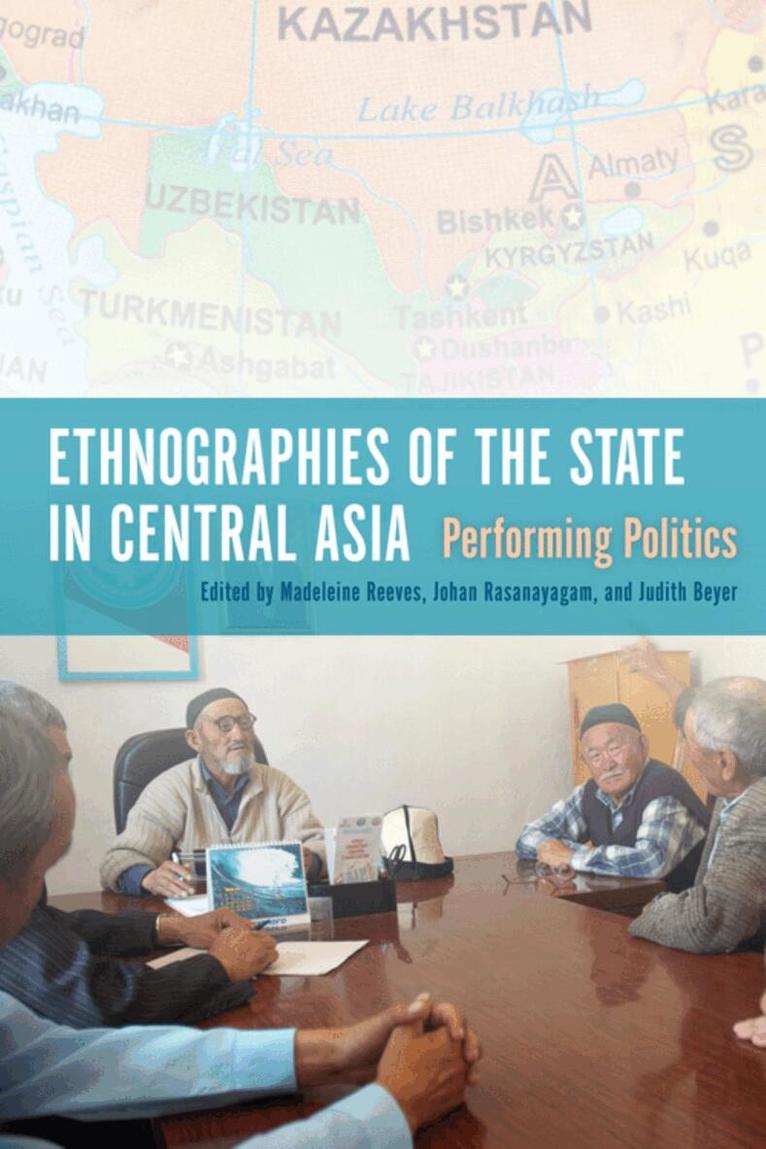
Ethnographies of the State in Central Asia
Performing Politics
Av Bruce Grant, Madeleine Reeves m. fl.
Inbunden, 2014
959 kr
Lägg i varukorg
With fresh and provocative insights into the everyday reality of politics in post-Soviet Central Asia, this volume moves beyond commonplaces about strong and weak states to ask critical questions about how democracy, authority, and justice are understood in this important region. In conversation …
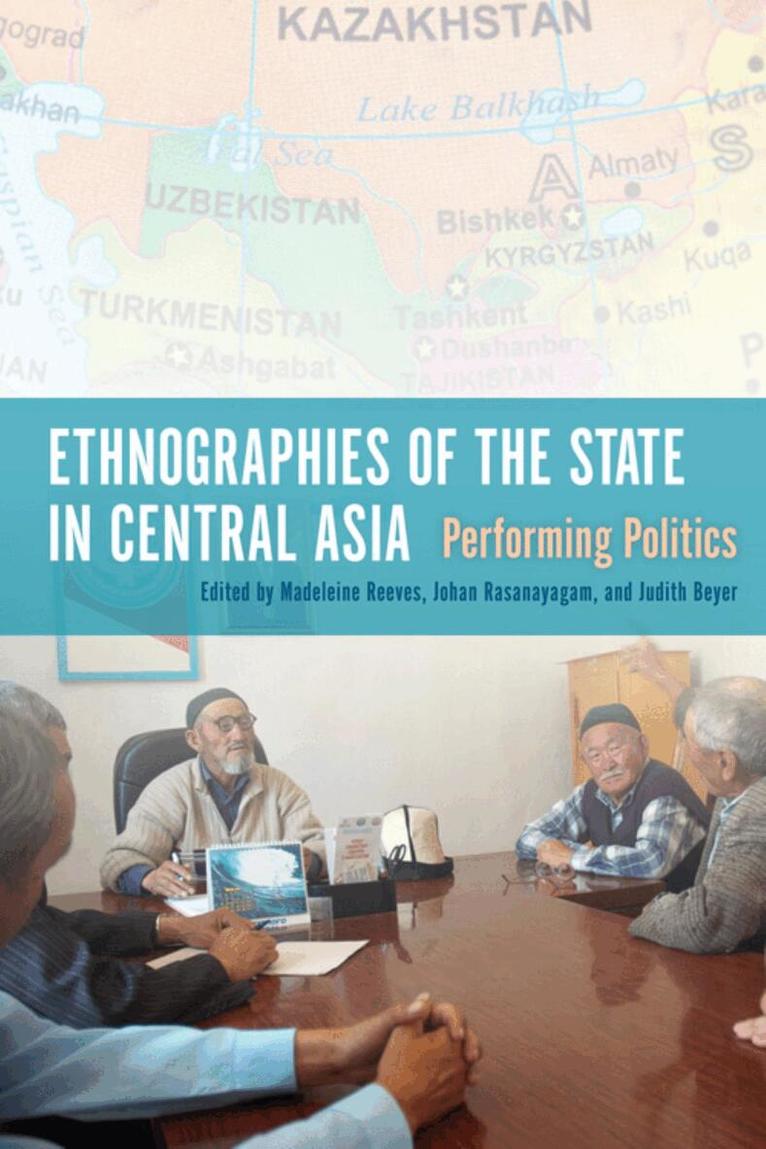
Ethnographies of the State in Central Asia
Performing Politics
Av Madeleine Reeves, Johan Rasanayagam m. fl.
Häftad, 2014
385 kr
Lägg i varukorg
With fresh and provocative insights into the everyday reality of politics in post-Soviet Central Asia, this volume moves beyond commonplaces about strong and weak states to ask critical questions about how democracy, authority, and justice are understood in this important region. In conversation …
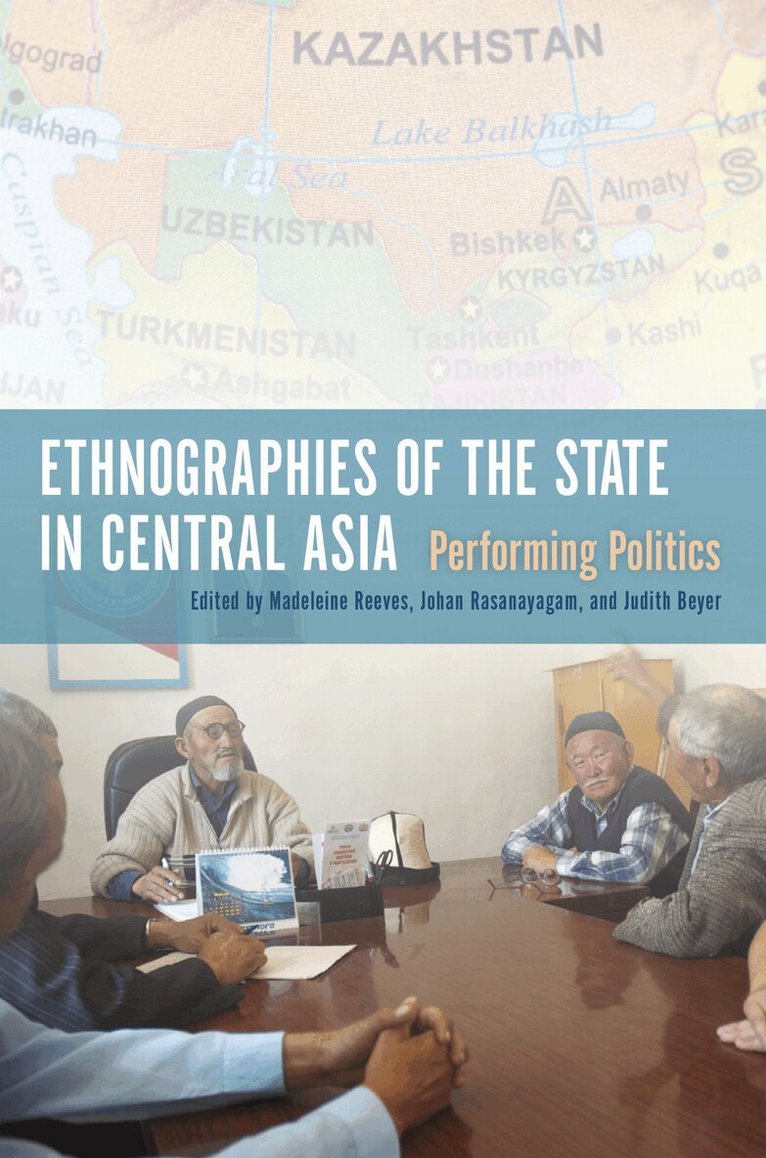
Ethnographies of the State in Central Asia
Performing Politics
Av Madeleine Reeves, Johan Rasanayagam m. fl.
E-bok, 2014
101 kr
Lägg i varukorg
With fresh and provocative insights into the everyday reality of politics in post-Soviet Central Asia, this volume moves beyond commonplaces about strong and weak states to ask critical questions about how democracy, authority, and justice are understood in this important region. In conversation …
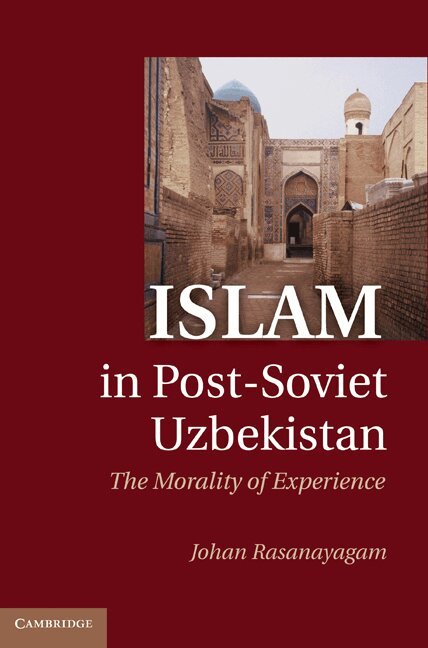
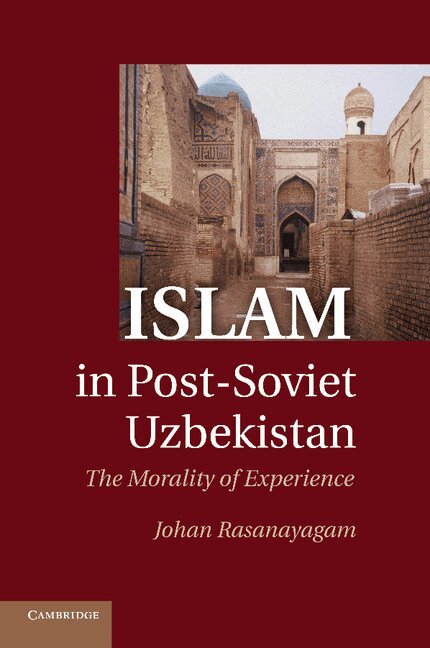
Islam in Post-Soviet Uzbekistan
The Morality of Experience
Inbunden, 2010
1563 kr
Lägg i varukorg
The Uzbekistan government has been criticized for its brutal suppression of its Muslim population. This book, which is based on the author's intimate acquaintance with the region and several years of ethnographic research, is about how Muslims in this part of the world negotiate their religious …
Islam in Post-Soviet Uzbekistan
The Morality of Experience
Häftad, 2012
601 kr
Lägg i varukorg
The Uzbekistan government has been criticized for its brutal suppression of its Muslim population. This book, which is based on the author's intimate acquaintance with the region and several years of ethnographic research, is about how Muslims in this part of the world negotiate their religious …