• Fri frakt över 249 kr
  • •
  • Snabba leveranser
  • •
  • Billiga böcker
Kundservice

Du är på sajten för privatpersoner.

Företag, bibliotek eller offentlig verksamhet?

Du handlar på classic.bokus.com, där alla dina funktioner finns intakta.
Till classic.bokus.com
Bokus logotyp. Gå till startsidan.
  • Erbjudanden
  • Nyheter
  • Student
  • Topplistor
  • Barn & ungdom
  • Bokus Play
  • E-böcker
  • Pocketböcker
  • Spel & pussel

10% rabatt på allt med kod: NYSTART10 →

Sidfot

Mina sidor

    Hjälp

    • Kundservice
    • Vanliga frågor och svar
    • Frakt och leverans
    • Retur vid ångerrätt
    • Reklamera vara
    • Betalning
    • Köpvillkor
    • Allmänna villkor
    • Information om webbplatsens tillgänglighet

    Om Bokus

    • Om oss
    • Pressrum
    • För studenter
    • För företag
    • För bibliotek och offentlig verksamhet
    • För leverantörer
    • Hållbarhet

    Populärt

    • Aktuella erbjudanden
    • Presentkort
    • Studentlitteratur
    • Nya böcker
    • Topplistor
    • Signerade böcker
    • Engelska böcker

    Inspiration

    • Boktips
    • BookTok
    • Populära bokserier
    • Barnbokskaraktärer
    • Populära författare
    Logotyp för Bokus
    Följ oss på Facebook (extern länk)Följ oss på Instagram (extern länk)Följ oss på YouTube (extern länk)Följ oss på TikTok (extern länk)
    bokus @ CookiesAnpassa cookiesIntegritetspolicyKöpvillkor
    Till Citymail hemsida (extern länk)Till Budbee hemsida (extern länk)Till Postnord hemsida (extern länk)Till Schenker hemsida (extern länk)Till Early Bird hemsida (extern länk)Till Walleys hemsida (extern länk)
    1. Ekonomi och Ledarskap
    2. Nationalekonomi
    3. Ekonomisk historia

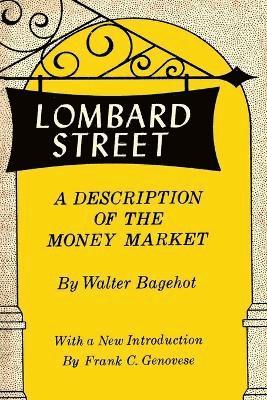
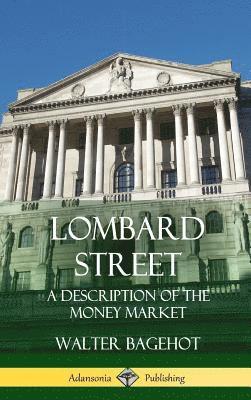
    Lombard Street

    A Description of the Money Market

    AvWalter Bagehot,E. Johnstone

    Häftad, Engelska, 2011

    Del i serien Cambridge Library Collection - British and Irish History, 19th Century

    519 kr

    Beställningsvara. Skickas inom 10-15 vardagar. Fri frakt över 249 kr.

    Fler format och utgåvor

    E-bok

    40 kr

    Häftad

    214 kr

    Inbunden

    370 kr

    Häftad

    271 kr

    Inbunden

    361 kr

    Häftad

    158 kr

    Häftad

    398 kr

    E-bok

    21 kr

    E-bok

    13 kr

    E-bok

    33 kr

    Beskrivning

    Walter Bagehot (1826-77), the influential political and economic essayist, wrote a number of books that became standards in their respective fields. He attended University College, London, where he studied mathematics and gained a master's degree in intellectual and moral philosophy. He was called to the bar, but instead chose a career in his father's banking business. He wrote widely on literature, economics and politics, co-founding the National Review in 1855. He became editor-in-chief of The Economist in 1860 and remained in that post until his death. This work, published originally in 1873 and described by J. M. Keynes as 'an undying classic', is a masterpiece of economics. It explains the world of finance and banking, concentrating on crisis management, and its ideas are as relevant today as ever, especially in the face of the global financial crisis that emerged in 2007.

    Produktinformation

    • Utgivningsdatum:2011-12-29
    • Mått:140 x 216 x 21 mm
    • Vikt:470 g
    • Format:Häftad
    • Språk:Engelska
    • Serie:Cambridge Library Collection - British and Irish History, 19th Century
    • Antal sidor:372
    • Förlag:Cambridge University Press
    • ISBN:9781108035811

    Utforska kategorier

    • Ekonomisk historia inom Ekonomi och Ledarskap

    Innehållsförteckning

    • Prefatory note; Advertisement; 1. Introductory; 2. A general view of Lombard Street; 3. How Lombard Street came to exist, and why it assumed its present form; 4. The position of the Chancellor of the Exchequer in the money market; 5. The mode in which the value of money is settled in Lombard Street; 6. Why Lombard Street is often very dull, and sometimes extremely excited; 7. A more exact account of the mode in which the Bank of England has discharged its duty of retaining a good bank reserve, and of administering it effectually; 8. The government of the Bank of England; 9. The joint stock banks; 10. The private banks; 11. The bill brokers; 12. The principles which should regulate the amount of the banking reserve to be kept by the Bank of England; 13. Conclusion; Appendix.