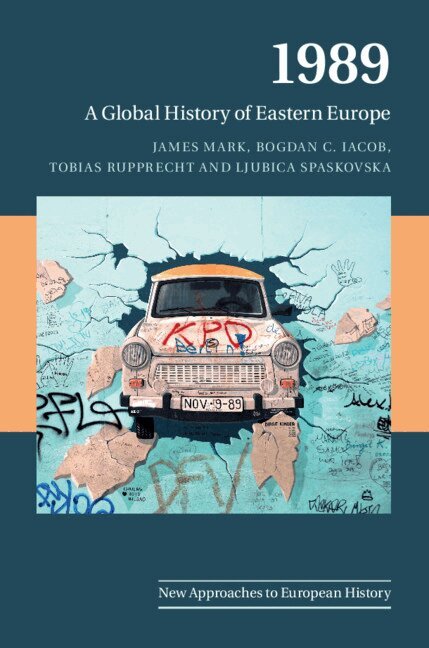
Häftad, Engelska, 2019
1989
Av James Mark, Bogdan C. Iacob, Tobias Rupprecht, Ljubica Spaskovska
452 kr
Beställningsvara. Skickas inom 5-8 vardagar. Fri frakt över 249 kr.
Beskrivning
The collapse of the Berlin Wall has come to represent the entry of an isolated region onto the global stage. On the contrary, this study argues that communist states had in fact long been shapers of an interconnecting world, with '1989' instead marking a choice by local elites about the form that globalisation should take. Published to coincide with the thirtieth anniversary of the 1989 revolutions, this work draws on material from local archives to international institutions to explore the place of Eastern Europe in the emergence, since the 1970s, of a new world order that combined neoliberal economics and liberal democracy with increasingly bordered civilisational, racial and religious identities. An original and wide-ranging history, it explores the importance of the region's links to the West, East Asia, Africa, and Latin America in this global transformation, reclaiming the era's other visions such as socialist democracy or authoritarian modernisation which had been lost in triumphalist histories of market liberalism.
Produktinformation
- Utgivningsdatum: 2019-08-29
- Mått: 152 x 228 x 21 mm
- Vikt: 550 g
- Format: Häftad
- Språk: Engelska
- Serie: New Approaches to European History
- Antal sidor: 380
- Förlag: Cambridge University Press
- ISBN: 9781108447140
Utforska kategorier
Betyg & recensioner
0 recensioner
Inga recensioner tillgängliga.