• Fri frakt över 249 kr
  • •
  • Snabba leveranser
  • •
  • Billiga böcker
Kundservice

Du är på sajten för privatpersoner.

Företag, bibliotek eller offentlig verksamhet?

Du handlar på classic.bokus.com, där alla dina funktioner finns intakta.
Till classic.bokus.com
Bokus logotyp. Gå till startsidan.
  • Erbjudanden
  • Nyheter
  • Student
  • Topplistor
  • Barn & ungdom
  • Bokus Play
  • E-böcker
  • Pocketböcker
  • Spel & pussel

10% studentrabatt med kod TERM26

Sidfot

Mina sidor

    Hjälp

    • Kundservice
    • Vanliga frågor och svar
    • Frakt och leverans
    • Retur vid ångerrätt
    • Reklamera vara
    • Betalning
    • Köpvillkor
    • Allmänna villkor
    • Information om webbplatsens tillgänglighet

    Om Bokus

    • Om oss
    • Pressrum
    • För studenter
    • För företag
    • För bibliotek och offentlig verksamhet
    • För leverantörer
    • Hållbarhet

    Populärt

    • Aktuella erbjudanden
    • Presentkort
    • Studentlitteratur
    • Nya böcker
    • Topplistor
    • Signerade böcker
    • Engelska böcker

    Inspiration

    • Boktips
    • BookTok
    • Populära bokserier
    • Barnbokskaraktärer
    • Populära författare
    Logotyp för Bokus
    Följ oss på Facebook (extern länk)Följ oss på Instagram (extern länk)Följ oss på YouTube (extern länk)Följ oss på TikTok (extern länk)
    bokus @ CookiesAnpassa cookiesIntegritetspolicyKöpvillkor
    Till Citymail hemsida (extern länk)Till Budbee hemsida (extern länk)Till Postnord hemsida (extern länk)Till Schenker hemsida (extern länk)Till Early Bird hemsida (extern länk)Till Walleys hemsida (extern länk)
    1. Historia och arkeologi
    2. Historia
    3. Europas historia

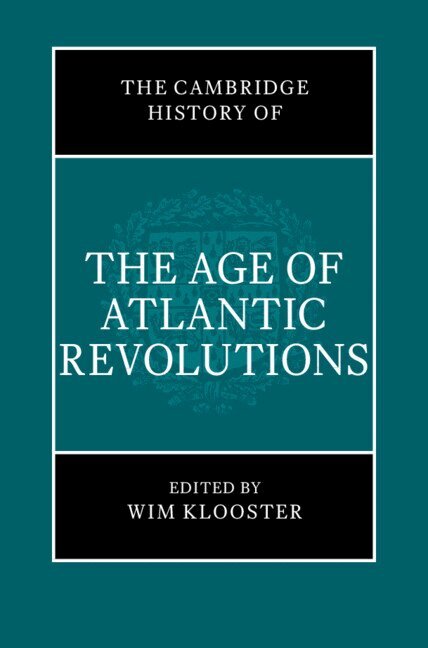
    The Cambridge History of the Age of Atlantic Revolutions: Volume 3, The Iberian Empires

    AvWim Klooster

    Inbunden, Engelska, 2023

    Del i serien The Cambridge History of the Age of the Atlantic Revolutions

    1 799 kr

    Beställningsvara. Skickas inom 10-15 vardagar. Fri frakt över 249 kr.

    Beskrivning

    Volume III covers the Iberian Empires and the important ethnic dimension of the Ibero-American independence movements, revealing the contrasting dynamics created by the Spanish imperial crisis at home and in the colonies. It bears out the experimental nature of political changes, the shared experiences and contrasts across different areas, and the connections to the revolutionary French Caribbean. The special nature of the emancipatory processes launched in the European metropoles of Spain and Portugal is explored, as are the connections between Spanish America and Brazil, as well as between Brazil and Portuguese Africa. It ends with an assessment of Brazil and how the survival of slavery is shown to have been essential to the new monarchy, although simultaneously, enslaved people began pressing their own demands, just like the indigenous population.

    Produktinformation

    • Utgivningsdatum:2023-11-09
    • Mått:161 x 236 x 34 mm
    • Vikt:1 130 g
    • Format:Inbunden
    • Språk:Engelska
    • Serie:The Cambridge History of the Age of the Atlantic Revolutions
    • Antal sidor:800
    • Förlag:Cambridge University Press
    • ISBN:9781108475969

    Utforska kategorier

    • Europas historia inom Historia och arkeologi
    • Slaveri inom Historia och arkeologi
    • Amerikas historia inom Historia och arkeologi

    Mer om författaren

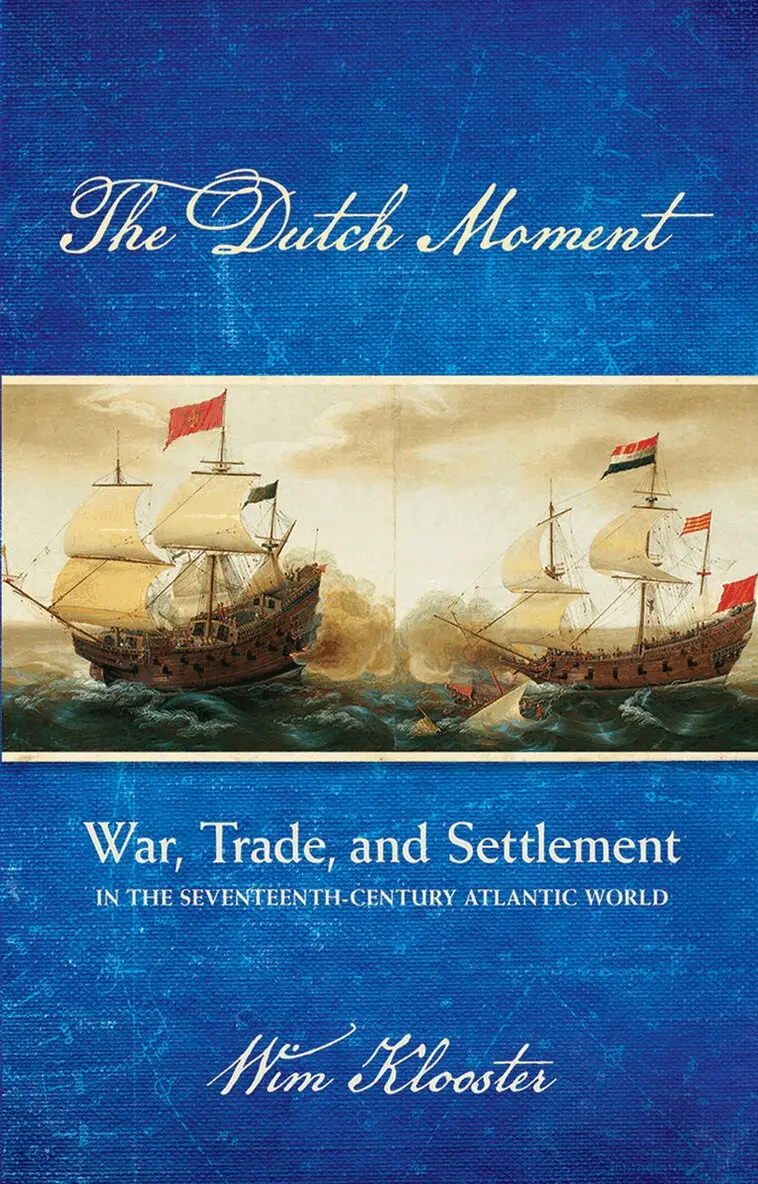
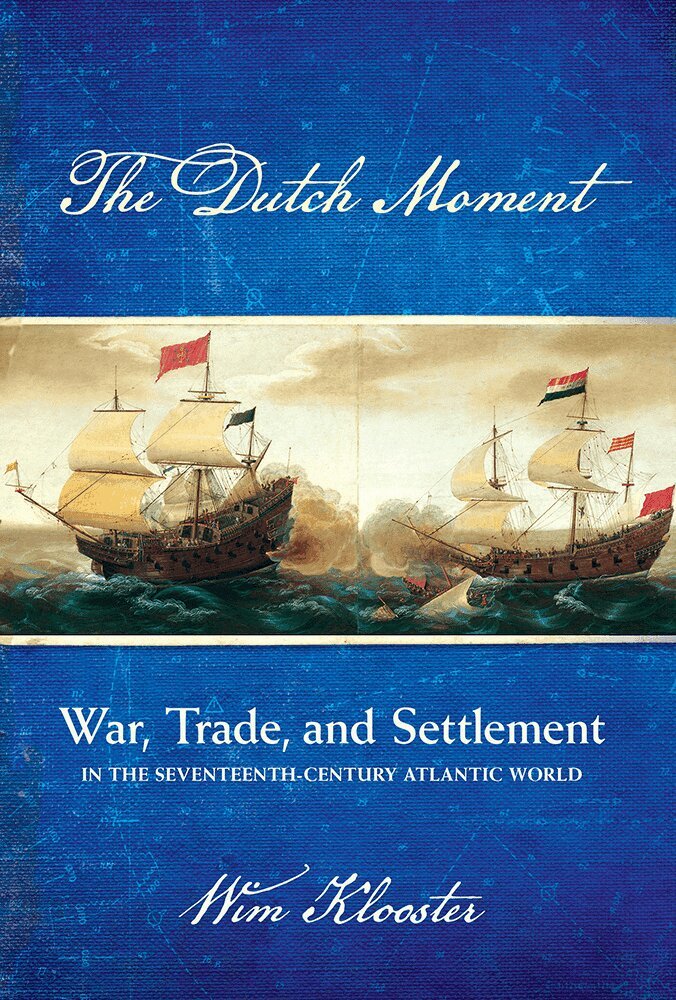
    Wim Klooster is the Robert H. and Virginia N. Scotland Chair and Professor of History and International Relations at Clark University. He is the (co-) author and (co-) editor of twelve books. His monograph The Dutch Moment: War, Trade, and Settlement in the Seventeenth Century Atlantic World (2016) won the Biennial Book Award of the Forum on Early-Modern Empires and Global Interactions and the Hendricks Award of the New Netherland Institute.

    Recensioner i media

    'Klooster has collected seventy-one essays, managing to give an idea of the ongoing debate: solid reconstructions … attempt to bring together historiography and history from different schools and perspectives. One can only appreciate the desire to reconstruct the historiographical debate because it opens the doors to the lives of scholars and their motivations and determinations in electing a theme and a research direction … The necessary nuances and chiaroscuro make the picture more authentic and point to other possible studies.' Michaela Valente , Archivio Storico Italiano

    Innehållsförteckning

    • Introduction, Wim Klooster; Part I. The Spanish Empire: 1. The Spanish Empire: general overview Stefan Rinke; 2. The Spanish Empire on the Eve of American Independence Emily Berquist Soule; 3. The Cortes of Cádiz and the Spanish Liberal Revolution of 1810–1814: Atlantic and Spanish American dimensions Roberto Breña; 4. The Constitutional Triennium in Spain, 1820–1823 Juan Luis Simal; 5. Mexico: from Civil War to the War of Independence 1808–1825 Juan Ortiz Escamilla, 6. Central America Timothy Hawkins; 7. War and revolution in the Southern Cone, 1808–1824 Juan Luis Ossa Santa Cruz; 8. Caribbean South America: free people of color, Republican experiments, military strategies, and the Caribbean connection on the path to independence Ernesto Bassi; 9. The southernmost revolution: the Rio de la Plata in early nineteenth century Gabriel di Meglio; 10. Royalists, monarchy, and political transformation in the Spanish Atlantic world during the Age of Revolutions Marcela Echeverri; 11. Africans and their descendants in the Spanish Empire in the Age of Revolutions Jane Landers; 12. Concepts on the move: constitutionalism, citizenship, federalism, and early liberalism across Spain and Spanish America Javier Fernández Sebastián; 13. Patriarchy, misogyny, and politics in the Age of Revolutions Mónica Ricketts; 14. Impact of the French-Caribbean Revolutions in continental Iberian America, 1791–1833 Alejandro E. Gómez; 15. Deferred but not avoided: Great Britain and Latin American independence Karen Racine; Part II. Brazil, Portugal, and Africa: 16. Overview: the independence era in the Luso-Brazilian world Gabriel Paquette; 17. Portugal's social and political change from the Ancien Régime to liberalism Nuno Gonçalo Monteiro; 18. Conservative tracks towards independence: transfer of the court to Rio de Janeiro, the Porto Revolution, Brazilian autonomy Jurandir Malerba; 19. Building new Brazilian institutions Jeffrey D. Needell; 20. Slaves, Indians, and the 'classes of color': popular participation in Brazilian Independence Hendrik Kraay; 21. Brazil and the independence of Spanish America: parallel trajectories, linked processes (1807–1825) João Paulo Pimenta; 22. Waves of sedition across the Atlantic: liberal politics in Angola in the wake of Brazilian independence (ca. 1817–1825) Roquinaldo Ferreira.