• Fri frakt över 249 kr
  • •
  • Snabba leveranser
  • •
  • Billiga böcker
Kundservice

Du är på sajten för privatpersoner.

Företag, bibliotek eller offentlig verksamhet?

Du handlar på classic.bokus.com, där alla dina funktioner finns intakta.
Till classic.bokus.com
Bokus logotyp. Gå till startsidan.
  • Erbjudanden
  • Student
  • Topplistor
  • Barn & ungdom
  • Bokus Play
  • E-böcker
  • Ljudböcker
  • Pocketböcker
  • Spel och pussel

Pocketfynda! Hundratals böcker för 49 kr/st →

Sidfot

Mina sidor

    Hjälp

    • Kundservice
    • Vanliga frågor och svar
    • Frakt och leverans
    • Retur vid ångerrätt
    • Reklamera vara
    • Betalning
    • Köpvillkor
    • Allmänna villkor
    • Information om webbplatsens tillgänglighet

    Om Bokus

    • Om oss
    • Pressrum
    • För studenter
    • För företag
    • För bibliotek och offentlig verksamhet
    • För leverantörer
    • Hållbarhet

    Populärt

    • Aktuella erbjudanden
    • Presentkort
    • Studentlitteratur
    • Nya böcker
    • Topplistor
    • Signerade böcker
    • Engelska böcker

    Inspiration

    • Boktips
    • BookTok
    • Barnbokskaraktärer
    • Populära författare
    Logotyp för Bokus
    Följ oss på Facebook (extern länk)Följ oss på Instagram (extern länk)Följ oss på YouTube (extern länk)Följ oss på TikTok (extern länk)
    bokus @ CookiesAnpassa cookiesIntegritetspolicyKöpvillkor
    Till Citymail hemsida (extern länk)Till Budbee hemsida (extern länk)Till Postnord hemsida (extern länk)Till Schenker hemsida (extern länk)Till Early Bird hemsida (extern länk)Till Walleys hemsida (extern länk)
    1. Samhälle och politik
    2. Samhälle och kultur
    3. Sociala grupper och identitet

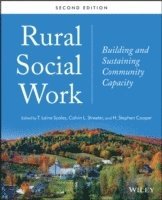
    Rural Social Work

    Building and Sustaining Community Capacity

    AvT. Laine Scales,T. Laine Scales

    Häftad, Engelska, 2013

    744 kr

    Beställningsvara. Skickas inom 5-8 vardagar. Fri frakt över 249 kr.

    Beskrivning

    A thoughtful text integrating strengths, assets, and capacity-building themes with contemporary issues in rural social work practiceNow in its second edition, Rural Social Work is a collection of contributed readings from social work scholars, students, and practitioners presenting a framework for resource building based on the strengths, assets, and capacities of people, a tool essential for working with rural communities.This guide considers methods for social workers to participate in the work of sustaining rural communities. Each chapter features a reading integrating the themes of capacity-building and rural social work; discussion questions that facilitate critical thinking around the chapter; and suggested activities and assignments.Rural Social Work, Second Edition explores: Important practice issues in rural communities, including the challenges of working with stigmatized populations such as gay, lesbian, bisexual, and transgendered people, the homeless, and people living with HIV/AIDSPractice models that hold special promise for rural social workers, including evidence-based practice and community partnership modelsNewer research tools such as asset mapping, social network analysis, concept mapping, and Geographic Information Systems (GIS)Exploring how social workers can integrate the tremendous resources that exist in rural communities into their practice, Rural Social Work, Second Edition provides a solid introduction to the complex, challenging, and rewarding work of building and sustaining rural communities.

    Produktinformation

    • Utgivningsdatum:2013-09-27
    • Mått:193 x 234 x 20 mm
    • Vikt:635 g
    • Format:Häftad
    • Språk:Engelska
    • Antal sidor:384
    • Upplaga:2
    • Förlag:John Wiley & Sons Inc
    • ISBN:9781118445167

    Utforska kategorier

    • Sociala grupper och identitet inom Samhälle och politik
    • Socialt arbete och välfärd inom Samhälle och politik

    Mer om författaren

    T. LAINE SCALES, PhD, is Professor of Higher Education and Associate Dean of the Graduate School at Baylor University, Waco, Texas. She taught social work for 17 years and has published in the areas of social welfare history, rural social work, religion in social work, and teaching with decision cases.CALVIN L. STREETER, PhD, is the Meadows Foundation Centennial Professor in the Quality of Life in the Rural Environment and former chair of the Community and Administrative Leadership Concentration in Social Work at The University of Texas at Austin.H. STEPHEN COOPER, PhD, is Associate Professor of Social Work and Associate Dean, College of Liberal and Applied Arts at Stephen F. Austin State University in Nacogdoches, Texas.

    Innehållsförteckning

    • Preface, xvAcknowledgments, xxiiiAbout the Editors xxvAbout the Contributors xxviiPART ONE CONCEPTUAL AND HISTORICAL FOUNDATIONS OF RURAL SOCIAL WELFARE 1Paul H. StuartChapter 1 Down-Home Social Work: A Strengths-Based Model for Rural Practice 5Michael R. Daley and Freddie L. AvantDefining Rural 6Rurality and Social Work Practice 7A Multisystem Model for Down-Home (Rural) Social Work 9Rationale for the Down-Home Model of Rural Social Work 10Implications for Rural Social Work 13Discussion Questions 15Classroom Activities and Assignments 16References 16Chapter 2 Rural Is Real: History of the National Rural Social Work Caucus and the NASW Professional Policy Statement on Rural Social Work 19Samuel A. HickmanThe Rural Social Work Caucus and the National Institute on Social Work and Human Services in Rural Areas 21Activities of the National Rural Social Work Caucus 22Achievements of the National Rural Social Work Caucus 23A Generalist Approach 24Including Rural Social Work in Educational Curricula 24A Brief History of the Rural Social Work Professional Policy Statement 25The 2002 and 2011 Rural SocialWork Professional Policy Statements 26Discussion Questions 27Classroom Activities and Assignments 27Internet Resources 27References 27Chapter 3 Social Welfare and Rural People: From the Colonial Era to the Present 29Paul H. StuartColonial Period 30Early National Period 31The Civil War and After 33The Progressive Era 35World Wars Prosperity Depression and Prosperity Again 37Recent Developments 38Discussion Questions 40Classroom Activities and Assignments 41References 41Chapter 4 Out of Sight Out of Mind: Rural Social Work and African American Women at Efland Home for Girls 1920–1938 45Tanya Smith BriceFemale Delinquency 46Girl-Saving Efforts 47Efland Home as an Asset 50Conclusion 52Discussion Questions 53Classroom Activities and Assignments 53References 54PART TWO HUMAN BEHAVIOR AND RURAL ENVIRONMENTS 57Freddie L. AvantChapter 5 Accomplishing the Four Essential Tasks for Higher Education Access: The Role of Natural Helping Networks in Rural Virginia 59Nathan F. Alleman and L. Neal HollyMaking Sense of Social Networks 60Understanding College Access: Four Essential Tasks 62Natural Helping Networks and School–Community Partnerships 67Conclusion 70Discussion Questions 71Classroom Activities and Assignments 71References 72Chapter 6 African Americans Living in Rural Community: Building Assets from an Afrocentric Perspective 75Freddie L. AvantDiversity and Social Work Practice 76Afrocentric Perspective 77Using an Afrocentric Perspective to Build Assets 79African Americans in Rural Areas 81Understanding Human Behavior of African Americans in Rural Environments 82Conclusion 83Discussion Questions 84Classroom Activities and Assignments 84References 85Chapter 7 Latino Populations in Rural America: Using Strengths to Build Capacity 87Griselda VillalobosNew Immigration Patterns 87Needs of Latino Populations in Rural America 88Cultural Characteristics of Latino Populations 88Acculturation 89Strategies for Building Capacity 92Conclusion 95Discussion Questions 95Classroom Activities and Assignments 95References 96Chapter 8 Building Community Among Rural Gay Lesbian Bisexual and Transgendered Persons: Connecting Community Through Families of Choice 99Amy C. RussellChallenges for Rural GLBT Individuals and Communities 100Three-Stage Process for Building Community 102Conclusion 110Discussion Questions 110Classroom Activities and Assignments 111References 111Chapter 9 Rural Children and Adolescents: Building Capacities Within Public Schools 113Linda OpenshawConsultation and Advocacy 114Assessment 115Direct Interventions and Program Development 116Academic Help: Alternative Schools 118Social Skills and Independent Living Skills 120Mentoring 122After-School Programs 124Conclusion 125Discussion Questions 125Classroom Activities and Assignments 125References 126PART THREE PRACTICE ISSUES IN RURAL CONTEXTS 129Susan A. MurtyChapter 10 Evidence-Based Practice in the Rural Context 131Danielle E. Parrish and Kathi R. TrawverWhat Is Evidence-Based Practice? 132Evidence-Based Practice and the Rural Social Work Practice Setting 135Real-World Example: Implementation of Evidence-Based Practice in a Rural Setting 136What Are the Challenges and Possibilities for Implementing Evidence-Based Practice in Rural Settings? 137Conclusion 140Discussion Questions 141Classroom Activities and Assignments 141References 142Chapter 11 Wraparound in Rural Child and Youth Mental Health: Coalescing Family-Community Capacities 145Tamara S. DavisMental Health Prevalence and Risk Factors of Rural Children and Youth 146Mental Health Service Delivery to Children Youth and Families in Rural Communities 147Wraparound Service Delivery in Systems of Care 150Conclusion 156Discussion Questions 157Classroom Activities and Assignments 157References 158Chapter 12 Help-Seeking Pathways to Care: Culturally Competent Practice With Rural Hispanics With High Migratory Traditions to the United States 163Dennis L. Poole and Alex EspadasCase Illustration 164Help-Seeking Theory 165Cultural Pathways to Care Model 166Guidelines for Interventions Along Cultural Pathways to Care 168Conclusion 172Discussion Questions 173Classroom Activities and Assignments 173References 174Chapter 13 Social Workers and Rural Congregations: Partnering to Build Community Capacity 175T. Laine Scales and Jon E. SingletaryCharacteristics of Rural Congregations 176Communicating With Rural Congregations 179Rural Congregations as Community Partners 181Social Workers and Rural Congregations 182Discussion Questions 183Classroom Activities and Assignments 183References 184Chapter 14 Working Together to Improve Services for People Living With HIV/AIDS: An Example of Service Delivery Network Development From Rural Northeast Texas 187H. Stephen Cooper Freddie L. Avant and Wilma CordovaContext for Practice: Northeast Texas 188Service Delivery Networks 190The SHRT Network Development Project 194Discussion 201Conclusion 203Discussion Questions 204Classroom Activities and Assignments 204References 204Chapter 15 Building Capacity to Overcome Challenges in the Delivery of Hospice and Palliative Care in Rural Communities 207Amy Z. Boelk and Jessica H. RetrumReviewing the Literature: Challenges for Hospice and Palliative Care in Rural Communities 208Building Capacity: Insights From Rural Hospice SocialWorkers 212Conclusion 218Discussion Questions 218Classroom Activities and Assignments 219Internet Resources 220References 220PART FOUR POLICY ISSUES AFFECTING RURAL POPULATIONS 223F. Ellen NettingChapter 16 Capacity for Conservation: Rural Communities Address Sustainability for Global Impact 227Kathleen BelangerOverview of Sustainability 228Importance of Sustainability to Rural Communities and to Populations at Risk 230Conclusion 233Discussion Questions 233Classroom Activities and Assignments 233Internet Resources 234References 234Chapter 17 Living in Limbo: Homeless Families in Rural America 237Jim WinshipUnderstanding Rural Homelessness 238Reasons for the Growth in Homelessness 240Recognizing the Assets of Those Experiencing Homelessness 246Discussion Questions 248Classroom Activities and Assignments 248References 248Chapter 18 Location Matters: Using GIS Mapping to Address Policy Issues in Rural Areas 251Donna M. Aguiniga and Amanda M. DavisHistory of GIS 252Rural Issues 253Tracking Service Utilization and Changes 257GIS and Policy 258Participatory GIS 260Challenges with GIS 261Conclusion 262Discussion Questions 263Classroom Activities and Assignments 263References 264PART FIVE USING RESEARCH TO EVALUATE PRACTICE IN RURAL SETTINGS 267Dennis L. PooleChapter 19 Using an Assessment Framework for Research in a Rural Context 269Susan A. MurtyRural Research Literature 269Rural Research Methods 271Mapping the Assets of a Rural Community 273Examples of Research Studies 275Conclusion 277Discussion Questions 277Classroom Activities and Assignments 278References 279Chapter 20 Using Concept Mapping for Assessment and Planning in Rural Communities: Identifying Capacities Through Participation 281Tamara S. Davis and H. Stephen CooperCommunity Assessment and Planning Approaches 281Overview of Concept Mapping 282Rural East Texas Health Network (RETHN) 285Assessing Cultural Competence in a Rural System of Care for Children’s Mental Health 292Conclusion 298Discussion Questions 299Classroom Activities and Assignments 299References 299Chapter 21 Rural Networks: Using Social Network Analysis to Understand Communities 303Calvin L. Streeter and H. Stephen CooperSocial Network Analysis 304The Safe Schools/Healthy Student (SS/HS) Collaboration 308 Conclusion 314Discussion Questions 315Classroom Activities and Assignments 315References 316 Appendix A NASW Rural Policy Statement 317Appendix B Online Training and Resources on the EBP Process and Practice Issues for Rural Settings 325Appendix C Ideas Ratings for Service Providers and Consumers (Mean Scores) 329Author Index 335Subject Index 343