• Fri frakt över 249 kr
  • •
  • Snabba leveranser
  • •
  • Billiga böcker
Kundservice

Du är på sajten för privatpersoner.

Företag, bibliotek eller offentlig verksamhet?

Du handlar på classic.bokus.com, där alla dina funktioner finns intakta.
Till classic.bokus.com
Bokus logotyp. Gå till startsidan.
  • Erbjudanden
  • Nyheter
  • Student
  • Topplistor
  • Barn & ungdom
  • Bokus Play
  • E-böcker
  • Pocketböcker
  • Spel & pussel

10% rabatt på allt med kod: NYSTART10 →

Sidfot

Mina sidor

    Hjälp

    • Kundservice
    • Vanliga frågor och svar
    • Frakt och leverans
    • Retur vid ångerrätt
    • Reklamera vara
    • Betalning
    • Köpvillkor
    • Allmänna villkor
    • Information om webbplatsens tillgänglighet

    Om Bokus

    • Om oss
    • Pressrum
    • För studenter
    • För företag
    • För bibliotek och offentlig verksamhet
    • För leverantörer
    • Hållbarhet

    Populärt

    • Aktuella erbjudanden
    • Presentkort
    • Studentlitteratur
    • Nya böcker
    • Topplistor
    • Signerade böcker
    • Engelska böcker

    Inspiration

    • Boktips
    • BookTok
    • Populära bokserier
    • Barnbokskaraktärer
    • Populära författare
    Logotyp för Bokus
    Följ oss på Facebook (extern länk)Följ oss på Instagram (extern länk)Följ oss på YouTube (extern länk)Följ oss på TikTok (extern länk)
    bokus @ CookiesAnpassa cookiesIntegritetspolicyKöpvillkor
    Till Citymail hemsida (extern länk)Till Budbee hemsida (extern länk)Till Postnord hemsida (extern länk)Till Schenker hemsida (extern länk)Till Early Bird hemsida (extern länk)Till Walleys hemsida (extern länk)
    1. Samhälle och politik
    2. Samhälle och kultur
    3. Kultur och medier
    4. Referensverk och tvärvetenskap

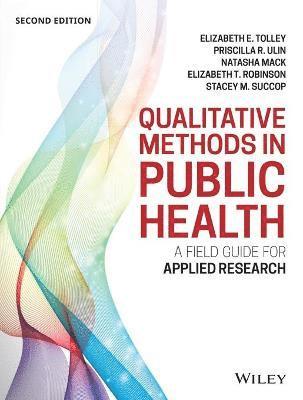
    Qualitative Methods in Public Health

    A Field Guide for Applied Research

    AvElizabeth E. Tolley,Priscilla R. Ulin

    Häftad, Engelska, 2016

    Del i serien Jossey-Bass Public Health

    993 kr

    Beställningsvara. Skickas inom 5-8 vardagar. Fri frakt över 249 kr.

    Beskrivning

    Qualitative Methods in Public Health: A Field Guide for Applied Research, 2nd Edition provides a practical orientation to conducting effective qualitative research in the public health sphere. With thorough examination and simple explanations, this book guides you through the logic and workflow of qualitative approaches, with step-by-step guidance on every phase of the research. Students learn how to identify and make use of theoretical frameworks to guide your study, design the study to answer specific questions, and achieve their research goals.Data collection, analysis, and interpretation are given close attention as the backbone of a successful study, and expert insight on reporting and dissemination helps you get your work noticed. This second edition features new examples from global health, including case studies specifically illustrating study design, web and mobile technologies, mixed methods, and new innovations in information dissemination. Pedagogical tools have been added to help enhance your understanding of research design and implementation, and extensive appendices show you how these concepts work in practice.Qualitative research is a powerful tool for public health, but it's very easy to get it wrong. Careful study design and data management are critical, and it's important to resist drawing conclusions that the data cannot support. This book shows you how to conduct high-quality qualitative research that stands up to review.

    Produktinformation

    • Utgivningsdatum:2016-06-21
    • Mått:180 x 231 x 36 mm
    • Vikt:771 g
    • Format:Häftad
    • Språk:Engelska
    • Serie:Jossey-Bass Public Health
    • Antal sidor:480
    • Upplaga:2
    • Förlag:John Wiley & Sons Inc
    • ISBN:9781118834503

    Utforska kategorier

    • Referensverk och tvärvetenskap inom Samhälle och politik
    • Samhällsmedicin och preventiv medicin inom Medicin

    Mer om författaren

    ELIZABETH E. TOLLEY is a senior scientist and Director of the Social and Behavioral Health Sciences division of FHI 360. PRISCILLA R. ULIN is retired from Family Health International (now FHI 360), where she was senior research scientist in the Social and Behavioral Sciences division. NATASHA MACK is a researcher in the Social and Behavioral Health Sciences division at FHI 360. ELIZABETH T. ROBINSON is the senior advisor for communications at the University of North Carolina at Chapel Hill's MEASURE Evaluation project. STACEY M. SUCCOP is a research associate in the Scientific Affairs department at FHI 360.

    Innehållsförteckning

    • List of Figures, Tables, and Boxes xiiiList of Case Studies xviiForeword xixAcknowledgments xxiAbout the Authors xxiiiChapter 1: Invitation to Explore 1Our Purpose 2What Is Qualitative Research? 4Getting Started 11Key Terms 13Review Questions 14References 14Chapter 2: The Language and Logic of Qualitative Research 17Frameworks for Research: Paradigms, Theories, and Conceptual Models 18Using Qualitative Methods to Develop Theory 27Substantive Theories and Conceptual Models 28Standards for Qualitative Research 35Summary 38Key Terms 39Recommended Readings 40Review Questions 40References 40Chapter 3: Designing the Study 45Background and Rationale 47Developing Study Objectives 53Using Documentary Sources 54Data From Human Subjects 55Data Collection Methods 61Collecting Data 71Analyzing the Data 72Disseminating Results 74Research Ethics: Decisions for the Protection of Study Participants 74Other Considerations: Budget and Time 78Summary 79Key Terms 79Recommended Readings 81Review Questions 81References 81Chapter 4: Collecting Qualitative Data 85Observation 86Interviews and Focus Groups 98Structured Data Collection Techniques 127Summary 134Key Terms 135Review Questions 137Recommended Readings 137References 138Chapter 5: Logistics in the Field 143Introduction to the Community: Building Rapport 145Involving Policymakers and Change Agents 148Developing the Field Team 150Training 152Field Materials 157Pilot Testing 158Field Logistics 159Supervision and Monitoring 161Generating Data Files 162Transcription and Translation 163Data Management and Storage 165Timelines and Budgets 166Summary 168Key Terms 169Review Questions 170Recommended Readings 170References 171Chapter 6: Qualitative Data Analysis 173Basic Steps in Qualitative Data Analysis 175Step 1. Reading: Developing an Intimate Relationship with the Data 176Step 2. Coding: Identifying the Emerging Themes 179Computer Software 189Step 3. Displaying Data: Distinguishing Nuances of a Topic 199Developing Hypotheses, Questioning, and Verifying 201Step 4. Data Reduction: Getting the Big Picture 204Step 5. Interpretation 207Establishing Trustworthiness 212Summary 215Key Terms 216Review Questions 217Recommended Readings 217References 217Chapter 7: Disseminating Qualitative Research 219Research Ethics Require Dissemination 222An Inclusive Dissemination Process Promotes Use 223How to Develop a Communication and Dissemination Strategy 224Choosing a Format for Dissemination 240Summary 249Key Terms 250Review Questions 250Recommended Readings 250References 251Chapter 8: Putting It Into Words 255The Role of Writing in Responsible Conduct of Research 256Before You Write 258Writing Your Article or Report 267After You Write 284Summary 291Key Terms 292Review Questions 292Recommended Readings 292References 293Appendix 1: Case Studies 295Appendix 2: Examples of Oral Consent Forms 347Appendix 3: Participant Observation Notes 351Appendix 4: Topic Guides With Pictures 359Appendix 5: Sample Interviewer Training Program Agendas and Training Schedules 369Appendix 6: Sample Budget Categories for Planning Qualitative Data Collection 373Appendix 7: Coding Summary Report 377Appendix 8: Example of Data Analysis Memo 383Appendix 9: Making Study Findings Accessible to Other Researchers 387Appendix 10: Dissemination Materials for Community Stakeholders 395Appendix 11: Sample Briefs to Share Qualitative Study Findings with Policy Audiences 405Appendix 12: Sample Dissemination Strategy for Advocacy 413Appendix 13: Where to Publish 417Appendix 14: Who Is an Author? 431Index 433