• Fri frakt över 249 kr
  • •
  • Snabba leveranser
  • •
  • Billiga böcker
Kundservice

Du är på sajten för privatpersoner.

Företag, bibliotek eller offentlig verksamhet?

Du handlar på classic.bokus.com, där alla dina funktioner finns intakta.
Till classic.bokus.com
Bokus logotyp. Gå till startsidan.
  • Erbjudanden
  • Nyheter
  • Student
  • Topplistor
  • Barn & ungdom
  • Bokus Play
  • E-böcker
  • Pocketböcker
  • Spel & pussel

10% rabatt på allt med kod NYSTART10 →

Sidfot

Mina sidor

    Hjälp

    • Kundservice
    • Vanliga frågor och svar
    • Frakt och leverans
    • Retur vid ångerrätt
    • Reklamera vara
    • Betalning
    • Köpvillkor
    • Allmänna villkor
    • Information om webbplatsens tillgänglighet

    Om Bokus

    • Om oss
    • Pressrum
    • För studenter
    • För företag
    • För bibliotek och offentlig verksamhet
    • För leverantörer
    • Hållbarhet

    Populärt

    • Aktuella erbjudanden
    • Presentkort
    • Studentlitteratur
    • Nya böcker
    • Topplistor
    • Signerade böcker
    • Engelska böcker

    Inspiration

    • Boktips
    • BookTok
    • Populära bokserier
    • Barnbokskaraktärer
    • Populära författare
    Logotyp för Bokus
    Följ oss på Facebook (extern länk)Följ oss på Instagram (extern länk)Följ oss på YouTube (extern länk)Följ oss på TikTok (extern länk)
    bokus @ CookiesAnpassa cookiesIntegritetspolicyKöpvillkor
    Till Citymail hemsida (extern länk)Till Budbee hemsida (extern länk)Till Postnord hemsida (extern länk)Till Schenker hemsida (extern länk)Till Early Bird hemsida (extern länk)Till Walleys hemsida (extern länk)
    1. Medicin
    2. Andra medicinska specialiteter
    3. Klinisk psykologi
    4. Psykoterapi som behandlingsmetod

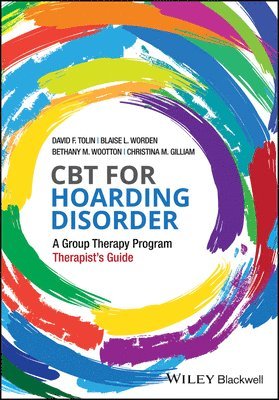
    CBT for Hoarding Disorder

    A Group Therapy Program Therapist's Guide

    AvDavid F. Tolin,Blaise L. Worden

    Häftad, Engelska, 2017

    598 kr

    Beställningsvara. Skickas inom 5-8 vardagar. Fri frakt över 249 kr.

    Fler format och utgåvor

    Häftad

    458 kr

    Beskrivning

    Part of a two-component product with a companion client workbook, CBT for Hoarding Disorder: Therapist's Guide guides group leaders through a comprehensive CBT group program for patients struggling with hoarding disorder. Provides step-by-step, evidence-based guidance for treating hoarding disorder (HD) with a focus on proven methods for behavior change rather than complex cognitive interventionsContains the latest research on HD and emphasizes the cognitive, emotional, and motivational factors involved in discarding and decision-makingFeatures an accessible, straightforward client workbook with coping cards that summarize key lessons, homework assignments, motivational tools, and practice exercises for decision-making and emotion regulation skillsEasy to implement without home visits for professionals and group leaders of all educational backgrounds across a wide variety of treatment settings and disciplines

    Produktinformation

    • Utgivningsdatum:2017-09-08
    • Mått:168 x 239 x 13 mm
    • Vikt:318 g
    • Format:Häftad
    • Språk:Engelska
    • Antal sidor:208
    • Förlag:John Wiley and Sons Ltd
    • ISBN:9781119159230

    Utforska kategorier

    • Psykoterapi som behandlingsmetod inom Medicin

    Mer om författaren

    David F. Tolin is Founder and Director of the Anxiety Disorders Center at the Institute of Living, USA, and an Adjunct Professor of Psychiatry at Yale University School of Medicine. He was the 2014 President of the Clinical Psychology division of the American Psychological Association, and is a recipient of the Award for Lifetime Contribution to Psychology from the Connecticut Psychological Association. An internationally recognized expert in the study and treatment of hoarding disorder, Dr. Tolin is the author of over 150 scientific journal articles and several books. He was a featured expert on the A&E series Hoarders, hosted the VH-1 series The OCD Project, and has been a recurrent guest on programs such as The Dr. Oz Show and The Oprah Winfrey Show. Blaise L. Worden is a clinical psychologist at the Anxiety Disorders Center at the Institute of Living, USA, where she runs and directs cognitive-behavioral treatment groups for hoarding disorder. She has co-authored book chapters on the phenomenology of both hoarding and obsessive-compulsive disorder, and provides educational talks to community organizations about HD treatment. Bethany M. Wootton is a clinical psychologist and Senior Lecturer in Clinical Psychology at the University of New England, Australia. She has an interest in the treatment of anxiety and related disorders. Her research focuses on the development and evaluation of remote treatments in order to improve access to evidence-based treatments for these conditions. Christina M. Gilliam is a clinical psychologist and Director of Educational Programs at the Anxiety Disorders Center at the Institute of Living, USA. She is an expert in providing and training others in cognitive behavioral therapy for anxiety disorders, obsessive compulsive and related disorders, and she has published journal articles and book chapters in these areas.

    Innehållsförteckning

    • Part I Introductory Information for Clinicians 1What is Hoarding Disorder? 3Diagnosing Hoarding Disorder 3What Causes Hoarding Disorder? 7How Do We Target These Factors in Treatment? 12Implementing Group CBT for Hoarding Disorder 18Does This Treatment Work? 18What Does the Group Look Like? 20Who Is This Group Designed For? 24Use of the Manual 25Troubleshooting Common Problems 26Measuring Outcomes 31Part II Treatment Manual 331 Welcome to the Class 351. Welcome to the Declutter Class 382. Class Rules and Guidelines 423. What is Hoarding Disorder? 464. What Will I Learn in This Class? 475. How Well Does the Declutter Class Work? 486. Homework 492 Why Do I Have So Much Stuff? 541. Homework Review 572. Rewards 583. Meet the “Bad Guys” 604. Setting Goals 665. Homework 683 Making Decisions and Solving Problems: Part 1 711. Homework Review 732. Making Decisions and Solving Problems 743. Making Decisions and Minimizing Distractions 754. Making Decisions and Improving Organization 815. Putting Skills Together to Discard Better 846. Homework 854 Making Decisions and Solving Problems: Part 2 861. Homework Review 872. Making Decisions: Acquiring 883. Solving Problems 924. Discarding Practice 965. “Bad Guy” Re‐evaluation 966. Homework 975 Intense Emotions: Part 1 981. Homework Review 992. About Intense Emotions 1003. Tackling Intense Emotions That Lead to Acquiring 1044. Homework 1066 Intense Emotions: Part 2 1081. Homework Review 1092. Tackling Intense Emotions That Get in the Way of Discarding 1093. “Bad Guy” Re‐evaluation 1144. Homework 1157 Unhelpful Thinking: Part 1 1181. Homework Review 1192. How Thoughts Influence Emotions 1193. Identifying Unhelpful Thoughts 1214. Homework 1248 Unhelpful Thinking: Part 2 1261. Homework Review 1272. Tackling Unhelpful Thoughts 1283. “Bad Guy” Re‐evaluation 1314. Homework 1329 Waxing and Waning Motivation: Part 1 1331. Homework Review 1342. Improving Motivation 1343. Acting on Your Top Goals and Values 1364. Homework 13910 Waxing and Waning Motivation: Part 2 1421. Homework Review 1432. Improving Motivation to Discard 1443. Being Motivated By Your Values 1454. Checking In on Long‐Term SMART Goals 1465. “Bad Guy” Re‐evaluation 1466. Homework 14711 Putting It All Together: Part 1 1481. Homework Review 1492. Troubleshooting Common Barriers 1503. Putting It All Together 1514. Homework 15312 Putting It All Together: Part 2 1541. Homework Review 1552. Troubleshooting Common Barriers 1553. Putting It All Together 1584. Homework 15913 Putting It All Together: Part 3 1601. Homework Review 1612. Troubleshooting Common Barriers 1623. Putting It All Together 1634. Homework 16414 Putting It All Together: Part 4 1651. Homework Review 1662. Troubleshooting Common Barriers 1673. Putting It All Together 1684. Homework 16915 Staying Clutter Free in the Future: Part 1 1701. Homework Review 1712. Reviewing Progress 1723. Practice Discarding 1744. Homework 17416 Staying Clutter Free in the Future: Part 2 1761. Homework Review 1772. Maintaining Motivation 1773. Wrap‐Up and Questions 179Appendix A: Clock Sign 180Appendix B: “Bad Guy” Reminder Cards for Participants 181References 183Index 190