• Fri frakt över 249 kr
  • •
  • Snabba leveranser
  • •
  • Billiga böcker
Kundservice

Du är på sajten för privatpersoner.

Företag, bibliotek eller offentlig verksamhet?

Du handlar på classic.bokus.com, där alla dina funktioner finns intakta.
Till classic.bokus.com
Bokus logotyp. Gå till startsidan.
  • Erbjudanden
  • Nyheter
  • Student
  • Topplistor
  • Barn & ungdom
  • Bokus Play
  • E-böcker
  • Pocketböcker
  • Spel & pussel

Må bättre, för mindre! Upp till 50% rabatt på hälsoböcker

Sidfot

Mina sidor

    Hjälp

    • Kundservice
    • Vanliga frågor och svar
    • Frakt och leverans
    • Retur vid ångerrätt
    • Reklamera vara
    • Betalning
    • Köpvillkor
    • Allmänna villkor
    • Information om webbplatsens tillgänglighet

    Om Bokus

    • Om oss
    • Pressrum
    • För studenter
    • För företag
    • För bibliotek och offentlig verksamhet
    • För leverantörer
    • Hållbarhet

    Populärt

    • Aktuella erbjudanden
    • Presentkort
    • Studentlitteratur
    • Nya böcker
    • Topplistor
    • Signerade böcker
    • Engelska böcker

    Inspiration

    • Boktips
    • BookTok
    • Populära bokserier
    • Barnbokskaraktärer
    • Populära författare
    Logotyp för Bokus
    Följ oss på Facebook (extern länk)Följ oss på Instagram (extern länk)Följ oss på YouTube (extern länk)Följ oss på TikTok (extern länk)
    bokus @ CookiesAnpassa cookiesIntegritetspolicyKöpvillkor
    Till Citymail hemsida (extern länk)Till Budbee hemsida (extern länk)Till Postnord hemsida (extern länk)Till Schenker hemsida (extern länk)Till Early Bird hemsida (extern länk)Till Walleys hemsida (extern länk)
    1. Filosofi och religion
    2. Religion och tro
    3. Kristendom
    4. Biblar

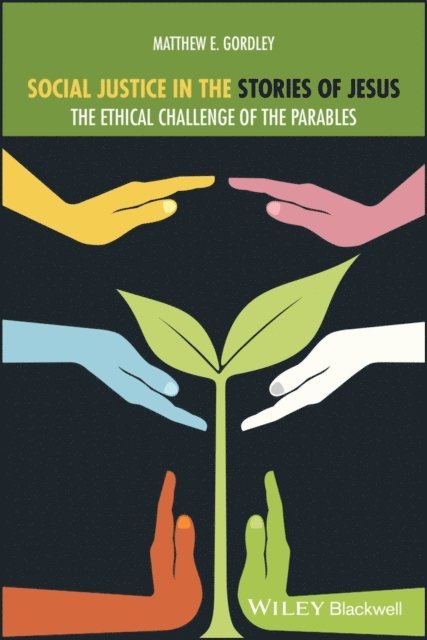
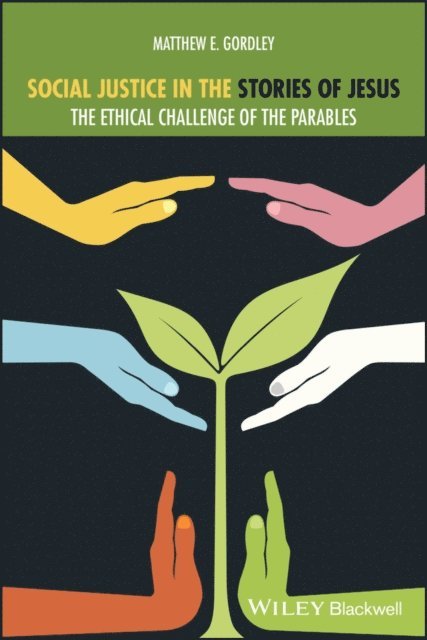
    Social Justice in the Stories of Jesus

    The Ethical Challenge of the Parables

    AvMatthew E. Gordley

    Häftad, Engelska, 2024

    Del i serien Lived Religions

    472 kr

    Beställningsvara. Skickas inom 5-8 vardagar. Fri frakt över 249 kr.

    Fler format och utgåvor

    E-bok

    536 kr

    E-bok

    536 kr

    Beskrivning

    Invites a new generation of readers to apply ethical reasoning to social justice challenges, accessible to people of faith from a broad range of backgroundsSocial Justice in the Stories of Jesus introduces readers to the parables of the New Testament while exploring how they relate to social justice, ethics, and key issues of modern society. Centering on themes of mercy, justice, and human dignity, this unique volume invites readers to reflect on the meaning of Jesus's parables both in their original setting and in the context of present-day moral and ethical challenges. The author discusses social justice concepts from various traditions to enable readers to engage with the ethical implications of the parables in a range of different contexts.Each chapter focuses on one parable or set of parables, such as the parable of the Good Samaritan and the parable of the Pharisee and the Tax Collector, and includes historical background information and an analysis and interpretation of the parable. Throughout the text, the author highlights the connections between Jesus's parables and racism, violence, poverty, the environment, our obligations to one another, and other timely social justice issues. Blends an accessible overview of the parables of Jesus with an introduction to social justice and ethicsExplores New Testament parables as viewed through the lens of contemporary writers, ethicists, and activistsEmphasizes the Jewish roots of the parables and the need to guard against anti-Jewish readings of the parablesHighlights the ways that Jesus's parables challenged his first-century listeners to see their world in new ways and recognize the dignity of every personEngages with seminal thinkers in contemporary social justice, such as James Cone, Howard Thurman, Emilie Townes, Bishop Michael Curry, and Pope FrancisIncludes study and discussion questions for personal and group useRequiring no prior knowledge of the subject, Social Justice in the Stories of Jesus: The Ethical Challenge of the Parables is an ideal textbook for introductory courses on the Bible and New Testament, faith-based courses on ethics, and general Christian readers looking for an excellent resource for personal or congregational study."Gordley's excellent book on the parables of Jesus is utterly unique, focusing largely on their contemporary ethical significance, helpfully using modern Roman Catholic scholarship in crafting this highly recommended text."—David Aune, Walter Professor of New Testament and Christian Origins Emeritus, University of Notre Dame"This book incorporates socially conscious and justice seeking hermeneutics. Grounded in mercy ethics, it reorients biblical scholarship by making explicit the socioethical and praxiological demands embedded in New Testament parables.—Néstor Medina, Associate Professor of Religious Ethics and Culture, Emmanuel College, University of Toronto"Social Justice in the Stories of Jesus is an invitation into an engaging conversation about the Parables of Jesus that is both timeless and timely. Practical applications abound, and discussion questions are provided if the text is used in group settings."—Julia A. Upton, Former Distinguished Professor of Theology, St. John's University


    Produktinformation

    • Utgivningsdatum:2024-01-12
    • Mått:152 x 226 x 20 mm
    • Vikt:522 g
    • Format:Häftad
    • Språk:Engelska
    • Serie:Lived Religions
    • Antal sidor:384
    • Förlag:John Wiley and Sons Ltd
    • ISBN:9781119884026

    Utforska kategorier

    • Biblar inom Filosofi och religion
    • Religion: allmänt inom Filosofi och religion
    • Kristendom inom Filosofi och religion

    Mer om författaren

    MATTHEW E. GORDLEY is Interim Provost and Dean of the College of Arts and Sciences at Carlow University. He has written extensively on interpreting the New Testament and early Jewish texts with careful attention to their historical, social, and cultural contexts. His work has been published in the Journal of Biblical Literature, Journal of Ancient Judaism, Journal of Jewish Studies, and Catholic Biblical Quarterly, among others.

    Innehållsförteckning

    • Preface xiiiAcknowledgment vii1 Reading the Parables through the Lens of Social Justice 11. Introduction 12. What Are Parables? 83. Why Parables? 134. The Parables as They Were Originally Heard 175. Parables and Mercy: An Entry Point into Social Justice 206. Exploring the Ethical Implications of the Parables through a Social Justice Lens 247. Reading the Parables through the Lens of Social Justice: A Proposal 322 Encountering the World and Words of Jesus 391. Introduction 392. Exploring Other Worlds: Some Key Concepts 413. The World of Jesus 42Religious Context: Early Judaism 42Sociopolitical Context: An Advanced Agrarian Society within the Roman Empire 544. The Words of Jesus 605. Words about Jesus 73The Actions and Example of Jesus 74Death and Resurrection 756. Postscript: Jesus and Crucified Peoples Today 783 The Parable of the Good Samaritan (Luke 10:25–37) 831. Introduction 832. The Text: Parable of the Good Samaritan (Luke 10:25–37) 853. Our First Step: Grasp the Story 854. Our Second Step: Going Deeper through Asking Questions 87What Can We Know about the Characters? 87Good Samaritan … and Bad Jews? 905. Our Third Step: Spot the Twist 926. Our Fourth Step: Consider the Metaphor 947. Our Fifth Step: Articulate the Challenge 988. Our Final Step: Consider Implications 102Physical Care for Those in Need: The Corporal Works of Mercy 103The Natural World 105The Humanity of Our Enemies 1064 Lost Sheep, Lost Coin (Luke 15:4–10) 1091. Introduction 1092. The Text: Lost Sheep, Lost Coin (Luke 15:4–10) 1103. Our First Step: Grasp the Stories 1104. Our Second Step: Ask Questions to Gain Understanding 112What Glimpse Does Each Parable Give Us into Economic Realities in the First Century? 1135. Our Third Step: Spot the Twist 1156. Our Fourth Step: Consider the Metaphor 118Lost and Found 123Communal Rejoicing 1247. Our Fifth Step: Articulate the Challenge 1268. Our Sixth Step: Consider Implications 1295 The Lost Sons (Luke 15:11–32) 1361. Introduction 1362. The Text: The Lost Sons (Luke 15:11–32) 1363. Our First Step: Grasp the Story 1374. Our Second Step: Ask Questions to Gain Understanding 1425. Our Third Step: Spot the Twist 1516. Our Fourth Step: Consider the Metaphor 1537. Our Fifth Step: Articulate the Challenge 1578. Our Sixth Step: Consider implications 1636 The Parable of the Mustard Seed (Mark 4:30–32) 1741. Introduction 1742. The Text: The Parable of the Mustard Seed (Mark 4:30–32) 1763. Our First Step: Grasp the Story 1764. Our Second Step: Ask Good Questions 1785. Our Third Step: Spot the Twist 1836. Our Fourth Step: Consider the Metaphor 1847. Our Fifth Step: Articulate the Challenge 1878. Our Sixth Step: Consider Implications 1927 The Pharisee and the Tax Collector (Luke 18:9–14) 2021. Introduction 2022. The Text: The Pharisee and the Tax Collector (Luke 18:9–14) 2033. Our First Step: Grasp the Story 2034. Our Second Step: Ask Questions to Gain Understanding 2075. Our Third Step: Spot the Twist 2146. Our Fourth Step: Consider the Metaphor 2157. Our Fifth Step: Articulate the Challenge 2198. Our Sixth Step: Consider Implications 2218 The Laborers in the Vineyard (Matthew 20:1–16) 2321. Introduction 2322. The Text: The Laborers in the Vineyard (Matthew 20:1–16) 2333. Our First Step: Grasp the Story 2334. Our Second Step: Ask Questions to Gain Understanding 2355. Our Third Step: Spot the Twist 2386. Our Fourth Step: Consider the Metaphor 2407. Our Fifth Step: Articulate the Challenge 245Jon Sobrino and Ignacio Ellacuría 2468. Our Sixth Step: Consider Implications 2489 The Rich Man and Lazarus (Luke 16:19–31) 2571. Introduction 2572. The Text: The Rich Man and Lazarus (Luke 16:19–31) 2583. Our First Step: Grasp the Story 2594. Our Second Step: Going Deeper through Asking Questions 2615. Our Third Step: Spot the Twist 2666. Our Fourth Step: Consider the Metaphor 2687. Our Fifth Step: Articulate the Challenge 2748. Our Final Step: Consider Implications 277Conclusion: Living into Our Humanity and Cultivating an Ethic of Love, Mercy, and Justice 2821. Introduction 2822. Summary of the Parables 2853. Shared Themes throughout the Parables of Jesus 2884. Conversation Partners 2945. An Ethic of Love, Mercy, and Justice 302Appendix 1: Sisters of Mercy Reflections on the Parables 309Appendix 2: Questions for Individual Study and Group Discussion 326Bibliography 333Index 341