• Fri frakt över 249 kr
  • •
  • Snabba leveranser
  • •
  • Billiga böcker
Kundservice

Du är på sajten för privatpersoner.

Företag, bibliotek eller offentlig verksamhet?

Du handlar på classic.bokus.com, där alla dina funktioner finns intakta.
Till classic.bokus.com
Bokus logotyp. Gå till startsidan.
  • Erbjudanden
  • Nyheter
  • Student
  • Topplistor
  • Barn & ungdom
  • Bokus Play
  • E-böcker
  • Pocketböcker
  • Spel & pussel

10% rabatt på allt med kod NYSTART10 →

Sidfot

Mina sidor

    Hjälp

    • Kundservice
    • Vanliga frågor och svar
    • Frakt och leverans
    • Retur vid ångerrätt
    • Reklamera vara
    • Betalning
    • Köpvillkor
    • Allmänna villkor
    • Information om webbplatsens tillgänglighet

    Om Bokus

    • Om oss
    • Pressrum
    • För studenter
    • För företag
    • För bibliotek och offentlig verksamhet
    • För leverantörer
    • Hållbarhet

    Populärt

    • Aktuella erbjudanden
    • Presentkort
    • Studentlitteratur
    • Nya böcker
    • Topplistor
    • Signerade böcker
    • Engelska böcker

    Inspiration

    • Boktips
    • BookTok
    • Populära bokserier
    • Barnbokskaraktärer
    • Populära författare
    Logotyp för Bokus
    Följ oss på Facebook (extern länk)Följ oss på Instagram (extern länk)Följ oss på YouTube (extern länk)Följ oss på TikTok (extern länk)
    bokus @ CookiesAnpassa cookiesIntegritetspolicyKöpvillkor
    Till Citymail hemsida (extern länk)Till Budbee hemsida (extern länk)Till Postnord hemsida (extern länk)Till Schenker hemsida (extern länk)Till Early Bird hemsida (extern länk)Till Walleys hemsida (extern länk)
    1. Ekonomi och Ledarskap
    2. Ledarskapsböcker
    3. Projektledning

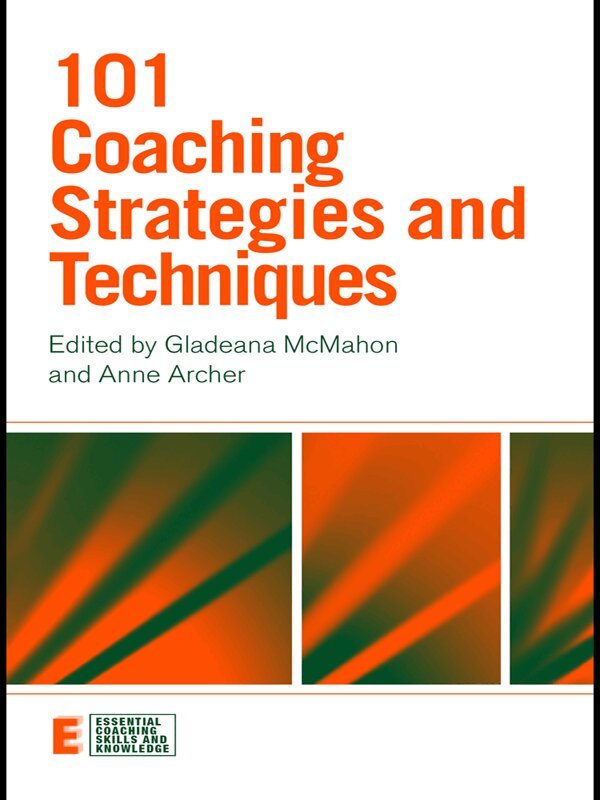
    101 Coaching Strategies and Techniques

    AvGladeana McMahon,Anne Archer

    E-bok
    PDF, Engelska, 2010

    Del i serien Essential Coaching Skills and Knowledge

    518 kr

    Läs direkt i Bokus Reader – eller ladda ned till din enhet (PDF kräver ofta zoom och scroll på små skärmar).

    Beskrivning

    101 Coaching Strategies and Techniques provides focused, practical strategies to help the coach with their work. Each point provides a detailed explanation of the strategy together with potential pitfalls and solutions.Contributors from a range of coaching backgrounds are brought together to cover a number of issues faced by professional coaches including:confidence building developing specific skills and strategies group coaching problem solving and creativity self awareness the stuck client.101 Coaching Strategies and Techniques will be a handy reference tool for busy coaches; the bite-sized strategies will also provide a useful guide for those in training.

    Produktinformation

    • Utgivningsdatum:2010-03-01
    • Språk:Engelska
    • Filformat:PDF
    • Kopieringsskydd:LCP
    • ISBN:9781136990403
    • Förlag:Taylor & Francis Ltd
    • Serie:Essential Coaching Skills and Knowledge

    Utforska kategorier

    • Projektledning inom Ekonomi och Ledarskap

    Mer om författaren

    Gladeana McMahon is Fellow and Chair of the Association for Coaching, UK. Her publications include Achieving Excellence in Your Coaching Practice and Essential Skills for Setting up a Counselling or Psychotherapy Practice. Gladeana was listed as one of the UK's 'top ten coaches' in the Independent on SundayAnne Archer develops leadership and change capability in organisations in both the public and the private sector. She also facilitates coach training programmes, open and in-house, and provides 1:1 and group supervision. Anne works with leaders and coaches across the globe. She is Editor of the Association for Coaching bulletin and is a member of the ICF

    Recensioner i media

    "The book is a great list of coaching techniques and suggestions. In my opinion, the addition of therapeutic perspectives has a lot of potential for deepening the coaching process and so could provide long-lasting change for coaching clients. I expect the book to be very helpful for people working as coaches; counsellors working with EAPs or other short-term counselling might also find some of the activities useful." - Sue Lewis, Therapy Today, October 2010 "Practitioners, coaches, managers, marketers, counsellors, politicians, public figures and non-scholars will learn from this book. No prerequisites are needed. Coaches who have to train players, new employees (or teenagers) will find here some inspiration, just like young parents who have to manage a crisis."- Yves Laberge, Division of Clinical Psychology

    Innehållsförteckning

    • Part I: Confidence Building. Dickers, A Strengths and Skills Exercise. Dunbar, Achieving an Outcome by Exploring Metaphors. Swinburne, Acting Positively in Difficult Situations. Swinburne, Building General Confidence and Self-Esteem. McGeever, Celebration and Reward. McMahon, Coping Imagery. Dunbar, Creating a Stronger Feeling of Confidence (Or Any Other Positive Feeling or Resource) Using Clean Language. Melrose, Hold up A Mirror and The Client will Do The Rest. Shola Arewa, Moving Beyond Comfort Zones. McGeever, Power Music. McMahon, Rescue Remedy Breathing Exercise. McMahon, The Stand-Back Strategy. McMahon, The Step-Up Technique. Warner, Transition to a New Level of Responsibility. O’Connor, Unblocking Resistance or Fear. Part II: Developing as a Coach. Archer, Adding to the Data - Feelings. Cusack, Bringing Yourself into the Room. Melrose, Help your Client to Learn for Themselves, Not Doing The Work Yourself. Cooper, Managing and Maximizing Relationship with a Third Party Sponsor. Stevens, Managing Yourself During a Coaching Session. McGeever, Pre-Coaching Ritual. Campbell, Redefining the Meaning of Feedback and Creating a Unique Feedback Pattern. Cusack, Rusty or Out of Practice. Melrose, Sometimes Coping is as Good as It Gets. Shola Arewa, Three-Part Breathing Exercise. Part III: Developing Specific Skills and Strategies. Hicks, Attitude Awareness – Impact and Influencing. Warner, Building a High Performing Team. Stevens, Coaching for Confidence in Delivering Presentations. Hicks, Confidence Building with Body Language. Hicks, Creating an Impact at Work - Appearance. McGeever, Decisions by Intuition. Campbell, Enriching a Leader’s Influencing Style Through a Deepening Understanding of Their Impact on Others. Swinburne, Handling Poor Performance / Unacceptable Behaviour. Hicks, Impact – Voice. Grimley, Multi-Level Modeling. Hogbin-Mills, Success Role Modeling. Gorce-Bourge, The Frame Game. Grimley, The Swish Model. McMahon, Time Projection Imagery. Part IV: Focusing on the Future. Dunbar, Action Planning. Hogbin- Mills, Career Choice. Hogbin-Mills, Career Visioning. Champion, Future Vision. Grimley, New Behaviour Generator. Dickers, Visualizing Future Goals. Part V: Group Coaching. Adams, Box Process. Adams, Disruptive Thinking / Disruptive Marketing. Adams, Issue Processing. Archer, Leading As A Team. Adams, More / Less / Stop. Adams, Unlocking Creativity. Part VI: Problem Solving and Creativity. Dunbar, Finding your Niche (Using Clean Language). Hogbin-Mills, Job Decision Making. Cusack, Letting them Draw their Own Conclusions. Champion, Mind Mapping for Insight and Problem Solving Based on the Work of Tony Buzan. Warner, Well-Formed Outcomes. Part VII: Relationships. Gorce-Bourge, I’m Right – You’re Wrong. O’Connor, Influencing Strategy: Stepping into the Other Person’s Shoes. Grimley, The Meta Mirror. Hicks, The Meta Mirror. Gorce-Bourge, The Rope Game. Swinburne, Understanding Difference in Communication / Influencing Styles. Part VIII: Self-awareness. Tod, A Life of Choice? Dickers, Articulating own Goals, Developing Goal-Setting Strategies. Hogbin-Mills, Career MOT. Hogbin-Mills, Career Reputation. Stevens, Coaching Glass Ceiling Clients. Campbell, Coordinated Management of Meaning. Dickers, Developing Independent Skills. Gorce-Bourge, Feed Back or Fight Back. Archer, Finding what Makes you Tick at Work. Champion, Force Field Analysis For Organizations and Individuals in Transition. Warner, Foxy Donkey Guide to Organizational Politics. Stevens, From Manager to Leader: The Transition Struggle. Swinburne, Identifying Work-Based Skills. Tod, Improving Performance by Accessing Emotions. Shola Arewa, Journal Writing. Dunbar, Noticing and Paying Attention to Metaphors. Melrose, People Will Not Change Unless They Want To - Locate the Desire to Change First. McGeever, Question of the Week. Cooper, Raising Awareness at the Start of a Coaching Relationship – Using 360-Degree Feedback. Champion, Stakeholder Mapping for Success and Influence. Campbell, The Daisy Model: A Framework to Generate a Vision of Who the Coachee Strives to be as A Successful Professional. Grimley, The Meta Model. O’Connor, Try an Experiment: What Happens When you Try. Cooper, Understanding how Life Previous Life Experiences Have an Impact on the Client and the Connection to the Behavioural Patterns They Demonstrate. O’Connor, Using Metaphor to Unlock your Thinking. O’Connor, Using Words to Connect with Thoughts and Feelings. Stevens, When a Client or Coach gets Stuck. Swinburne, Work / Life Balance: Changing Life Habits. Part IX: When a Client Gets Stuck. Dickers, Being Stuck is Part of the Creative Process. Shola Arewa, Get Out of Your Head and into Your Body. Cooper, Helping a Coachee become ‘Unstuck’. Shola Arewa, Recognize and Release Fear. Cusack, Reframing. Tod, Stuck. Champion, The Art of Reflective Practice. Gorce-Bourge, The Ball (Part 1) and the Mud (Part 2). Melrose, The Presenting Issue Isn’t Always the Real Issue. Cusack, Unsticking the Stuckness. Cooper, When a Client is Stuck.