Inbunden, Engelska, 2018
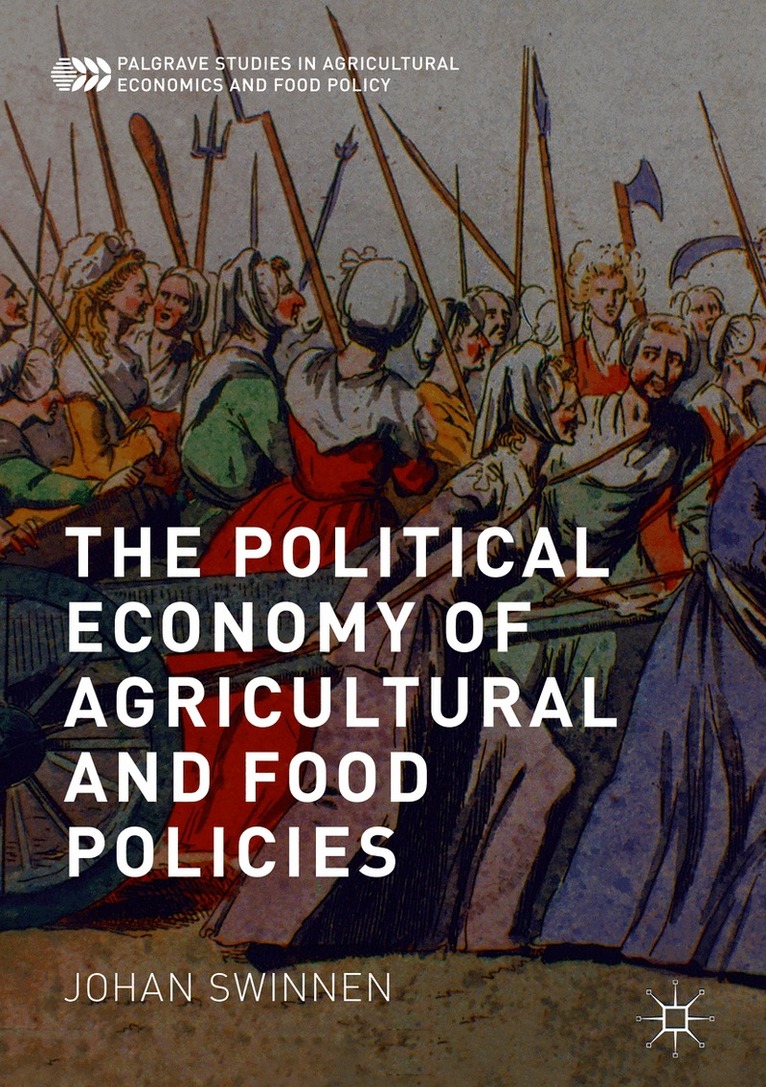
Political Economy of Agricultural and Food Policies
1423 kr
Beställningsvara. Skickas inom 10-15 vardagar. Fri frakt över 249 kr.
Beskrivning
Winner of the European Association of Agricultural Economists Book AwardFood and agriculture have been subject to heavy-handed government interventions throughout much of history and across the globe, both in developing and in developed countries. Today, more than half a trillion US dollars are spent by some governments to support farmers, while other governments impose regulations and taxes that hurt farmers. Some policies, such as price regulations and tariffs, distribute income but reduce total welfare by introducing economic distortions. Other policies, such as public investments in research, food standards, or land reforms, may increase total welfare, but these policies come also with distributional effects. These distributional effects influence the preferences of interest groups and in turn influence policy decisions. Political considerations are therefore crucial to understand how agricultural and food policies are determined, to identify the constraints within which welfare-enhancing reforms are possible (or not), and finally to understand how coalitions can be created to stimulate growth and reduce poverty.
Produktinformation
- Utgivningsdatum: 2018-05-25
- Mått: 148 x 210 x 26 mm
- Vikt: 456 g
- Format: Inbunden
- Språk: Engelska
- Serie: Palgrave Studies in Agricultural Economics and Food Policy
- Antal sidor: 254
- Förlag: Palgrave Macmillan
- ISBN: 9781137501011
Betyg & recensioner
0 recensioner
Inga recensioner tillgängliga.