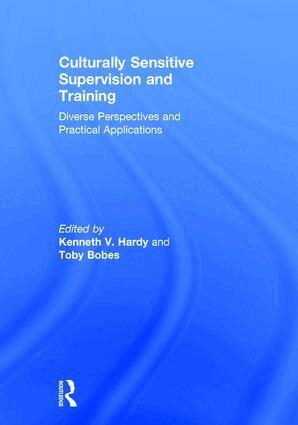
Inbunden, Engelska, 2016
Culturally Sensitive Supervision and Training
Av Kenneth V. Hardy, Toby Bobes
2812 kr
Skickas inom 10-15 vardagar
Beskrivning
Culturally Sensitive Supervision and Training: Diverse Perspectives and Practical Applications is a comprehensive text that exposes readers to an array of culturally competent approaches to supervision and training. The book consists of contributions from a culturally and professionally diverse group of scholars and clinicians who have been on the frontline of providing culturally competent supervision and training in a variety of settings. Many of the invited contributing authors have developed innovative clinical-teaching strategies for skillfully and effectively incorporating issues of culture into both the classroom and the consulting room. A major portion of the book will provide the reader with an insider’s view of these strategies as well as a plan for implementation, with one chapter devoted to experiential exercises to enhance cultural sensitivity in supervision and training. The text is intended for use in supervision courses, but trainers and supervisors will also find it essential to their work.
Produktinformation
- Utgivningsdatum: 2016-06-16
- Mått: 178 x 254 x 14 mm
- Vikt: 440 g
- Format: Inbunden
- Språk: Engelska
- Antal sidor: 162
- Förlag: Taylor & Francis Ltd
- ISBN: 9781138124585
Utforska kategorier
Betyg & recensioner
0 recensioner
Inga recensioner tillgängliga.