
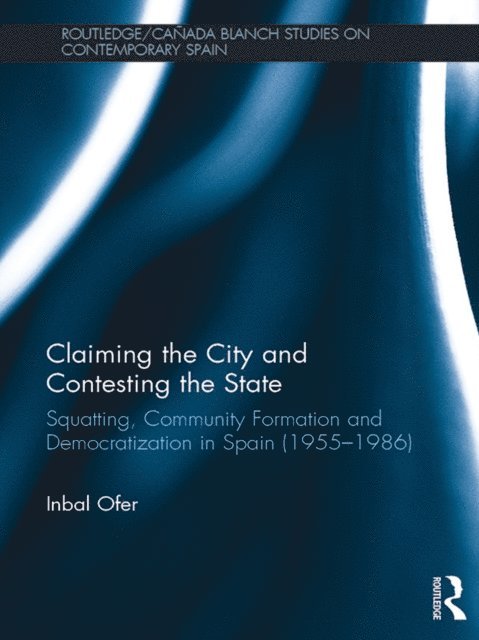
Claiming the City and Contesting the State
Squatting, Community Formation and Democratization in Spain (1955–1986)
760 kr
Beställningsvara. Skickas inom 10-15 vardagar. Fri frakt över 249 kr.
Fler format och utgåvor
Beskrivning
The present book analyzes the relationship between internal migration, urbanization and democratization in Spain during the period of General Francisco Franco's dictatorship (1939-1975) and Spain's transition to democracy (1975-1982). Specifically, the book explores the production and management of urban space as one form of political and social repression under the dictatorship, and the threat posed to the official urban planning regimes by the phenomenon of mass squatting (chabolismo). The growing body of recent literature that analyzes the role of neighborhood associations within Spain's transition to democracy, points to the importance and radicalism of associations that formed within squatters' settlements such as Orcasitas in Madrid, Otxarkoaga in Bilbao or Somorrostro and el Camp de la Bota in Barcelona. However, relatively little is known about the formation of community life in these neighborhoods during the 1950s, and about the ways in which the struggle to control and fashion urban space prior to Spain's transition to democracy generated specific notions of democratic citizenship amongst populations lacking in prior coherent ideological commitment.
Produktinformation
Utforska kategorier
Mer om författaren
Recensioner i media
Innehållsförteckning
Hoppa över listan
Mer från samma författare
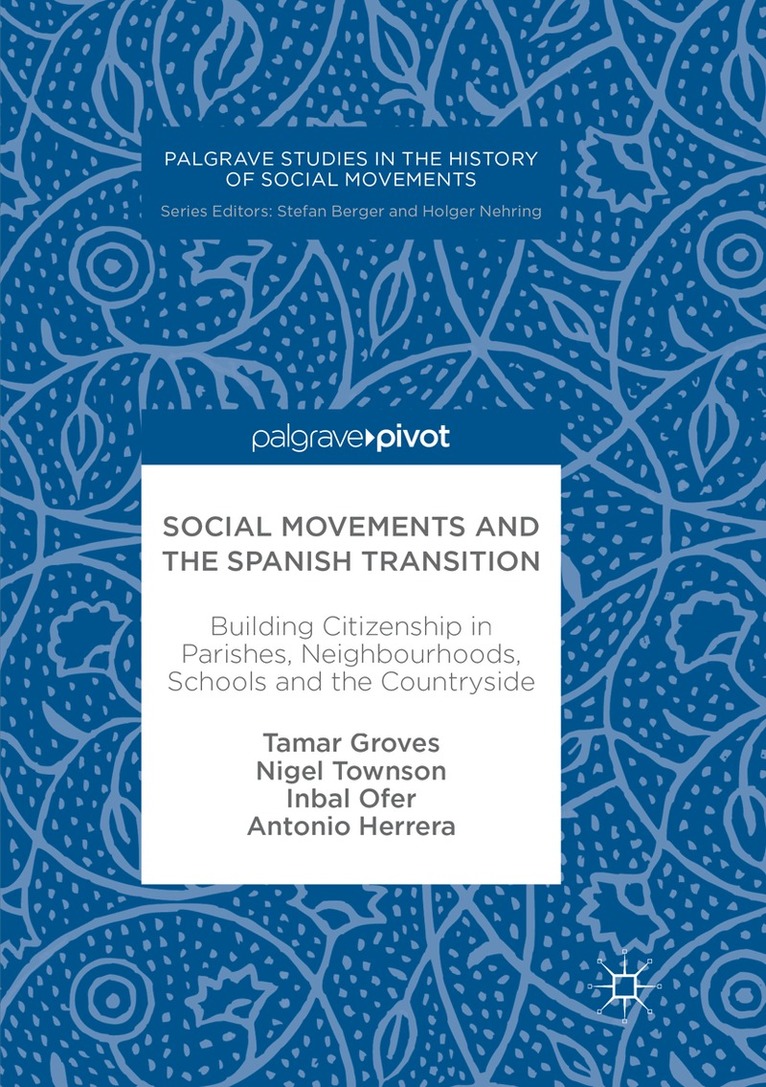
Social Movements and the Spanish Transition
Tamar Groves, Nigel Townson, Inbal Ofer, Antonio Herrera
Inbunden, 2017
628 kr
Social Movements and the Spanish Transition
Antonio Herrera, Inbal Ofer, Nigel Townson, Tamar Groves
E-bok
2017821 kr
Social Movements and the Spanish Transition
Tamar Groves, Nigel Townson, Inbal Ofer, Antonio Herrera
Häftad, 2018
628 kr
Hoppa över listan


Mer från samma serie
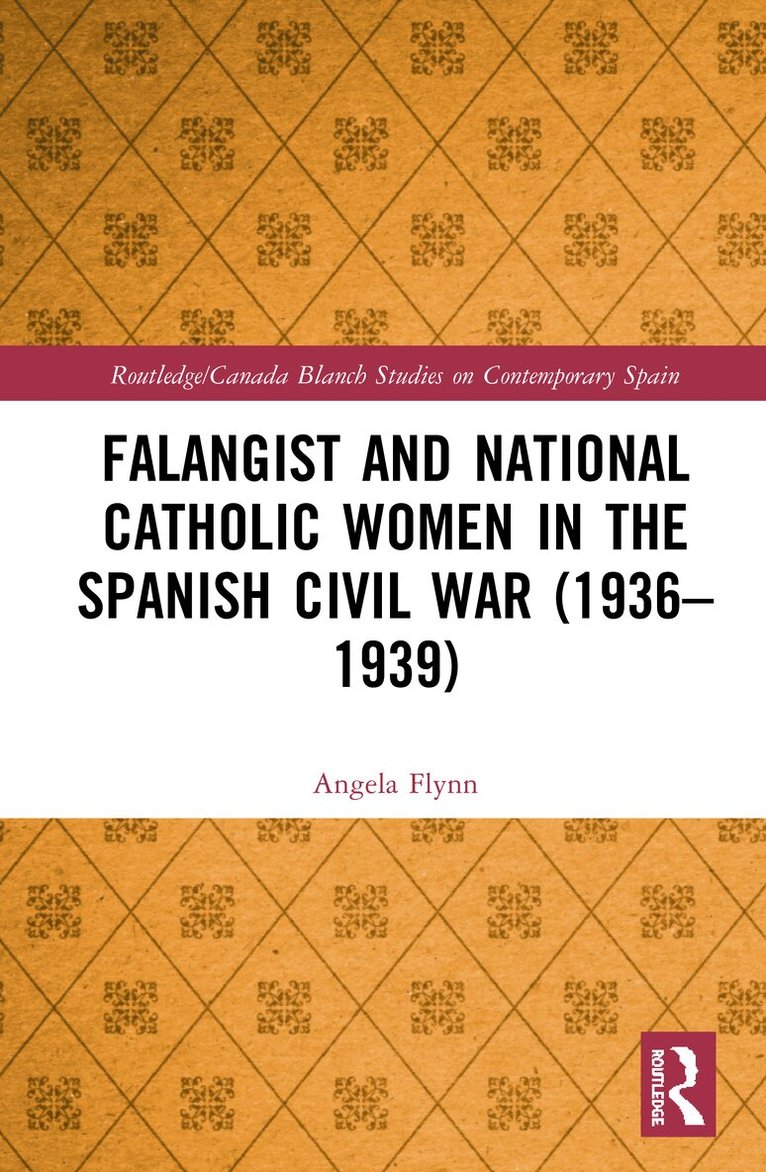
Falangist and National Catholic Women in the Spanish Civil War (1936–1939
Angela Flynn
Inbunden, 2020
2 538 kr
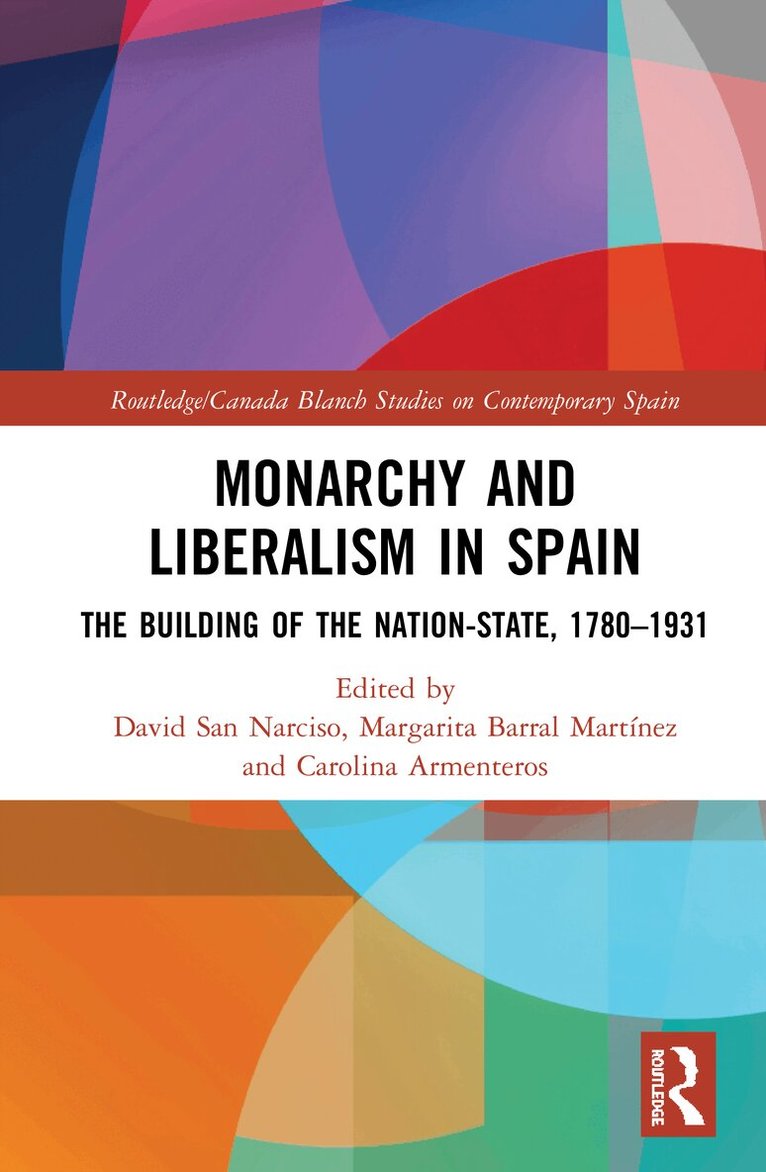
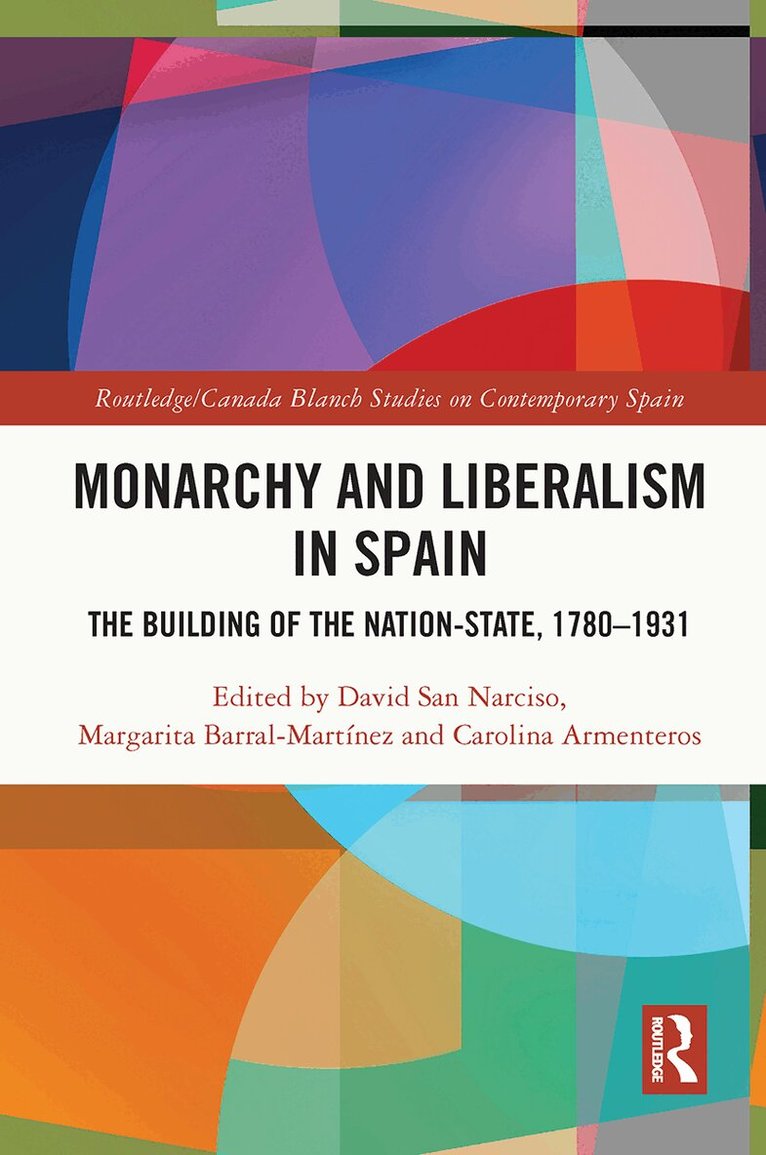
Monarchy and Liberalism in Spain
David San Narciso, Margarita Barral Martínez, Carolina Armenteros
Inbunden, 2020
2 155 kr
Monarchy and Liberalism in Spain
David San Narciso, Margarita Barral Martínez, Carolina Armenteros
Häftad, 2022
713 kr
Hoppa över listan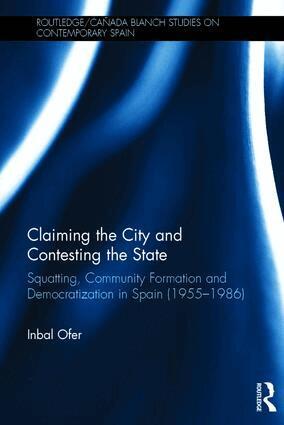
Du kanske också är intresserad av

Social Movements and the Spanish Transition
Antonio Herrera, Inbal Ofer, Nigel Townson, Tamar Groves
E-bok
2017821 kr
Social Movements and the Spanish Transition
Tamar Groves, Nigel Townson, Inbal Ofer, Antonio Herrera
Inbunden, 2017
628 kr