• Fri frakt över 249 kr
  • •
  • Snabba leveranser
  • •
  • Billiga böcker
Kundservice

Du är på sajten för privatpersoner.

Företag, bibliotek eller offentlig verksamhet?

Du handlar på classic.bokus.com, där alla dina funktioner finns intakta.
Till classic.bokus.com
Bokus logotyp. Gå till startsidan.
  • Erbjudanden
  • Nyheter
  • Student
  • Topplistor
  • Barn & ungdom
  • Bokus Play
  • E-böcker
  • Pocketböcker
  • Spel & pussel

10% rabatt på allt med kod: NYSTART10 →

Sidfot

Mina sidor

    Hjälp

    • Kundservice
    • Vanliga frågor och svar
    • Frakt och leverans
    • Retur vid ångerrätt
    • Reklamera vara
    • Betalning
    • Köpvillkor
    • Allmänna villkor
    • Information om webbplatsens tillgänglighet

    Om Bokus

    • Om oss
    • Pressrum
    • För studenter
    • För företag
    • För bibliotek och offentlig verksamhet
    • För leverantörer
    • Hållbarhet

    Populärt

    • Aktuella erbjudanden
    • Presentkort
    • Studentlitteratur
    • Nya böcker
    • Topplistor
    • Signerade böcker
    • Engelska böcker

    Inspiration

    • Boktips
    • BookTok
    • Populära bokserier
    • Barnbokskaraktärer
    • Populära författare
    Logotyp för Bokus
    Följ oss på Facebook (extern länk)Följ oss på Instagram (extern länk)Följ oss på YouTube (extern länk)Följ oss på TikTok (extern länk)
    bokus @ CookiesAnpassa cookiesIntegritetspolicyKöpvillkor
    Till Citymail hemsida (extern länk)Till Budbee hemsida (extern länk)Till Postnord hemsida (extern länk)Till Schenker hemsida (extern länk)Till Early Bird hemsida (extern länk)Till Walleys hemsida (extern länk)
    1. Psykologi och pedagogik
    2. Pedagogik
    3. Högskola och universitet

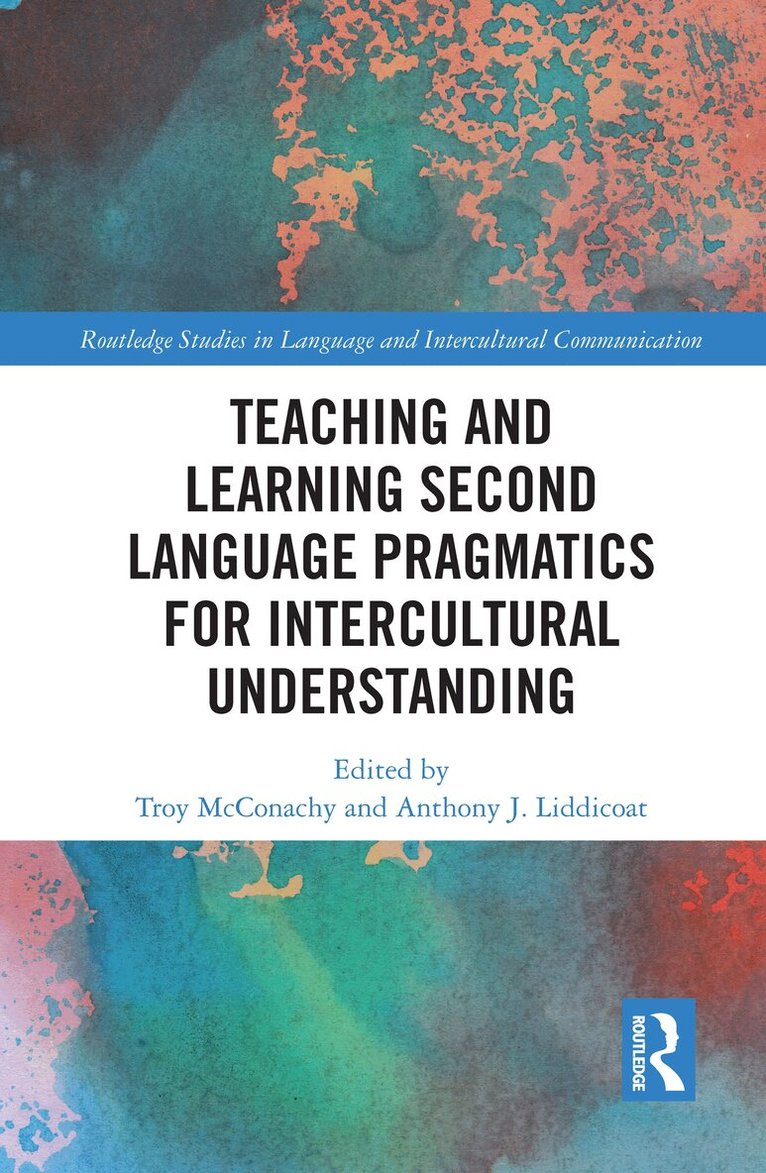
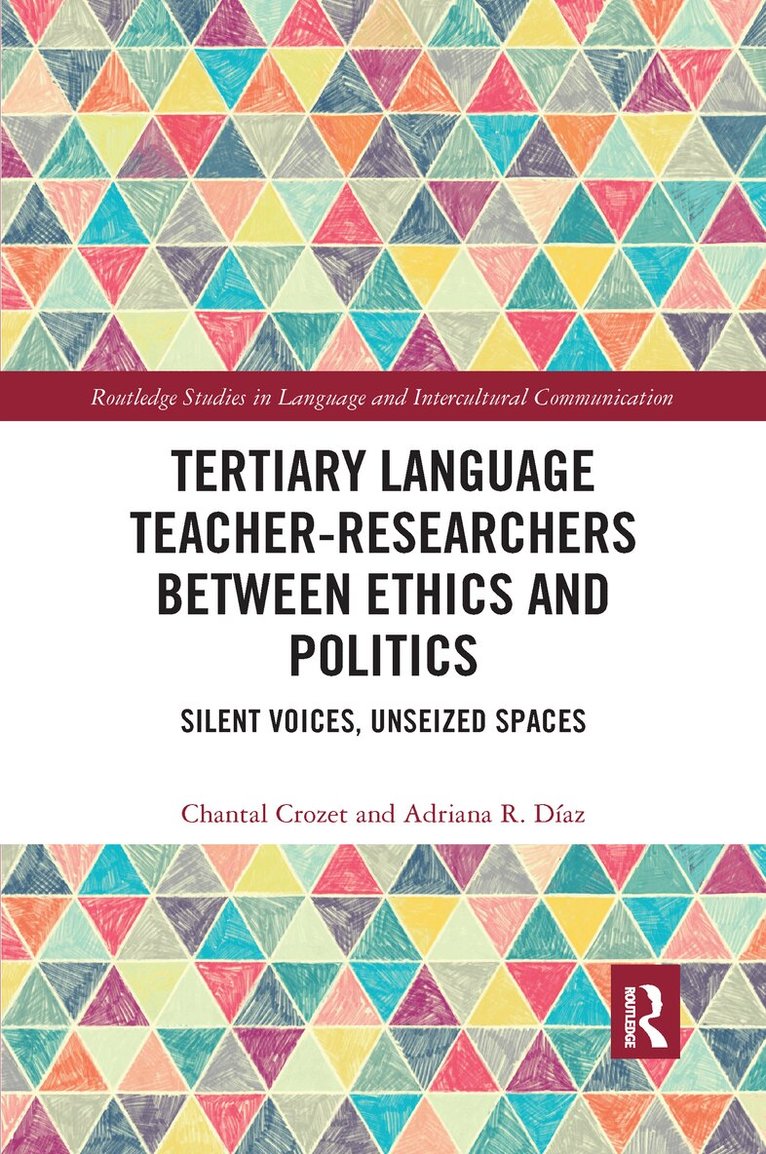
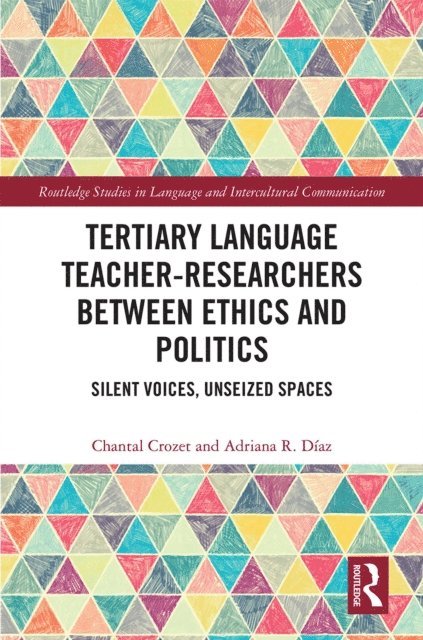
    Tertiary Language Teacher-Researchers Between Ethics and Politics

    Silent Voices, Unseized Spaces

    AvChantal Crozet,Adriana R. Díaz

    Inbunden, Engelska, 2020

    Del i serien Routledge Studies in Language and Intercultural Communication

    2 352 kr

    Beställningsvara. Skickas inom 10-15 vardagar. Fri frakt över 249 kr.

    Fler format och utgåvor

    Häftad

    701 kr

    Beskrivning

    Bringing together a range of perspectives from tertiary language and culture teachers and researchers, this volume highlights the need for greater critical engagement with the question of language teacher identity, agency and responsibility in light of an ever changing global socio-political and cultural landscape. The book examines the ways in which various moral, ethical, and ideological dimensions increasingly inform language teaching practice for tertiary modern/foreign language teachers, both collectively as a profession but also at the individual level in everyday classroom situations. Employing a narrative inquiry research approach which combines brief autobiographical reflections with semi-structured interview data, the volume provides a comprehensive portrait of the processes ten teacher-researchers in Australia working across five different languages engage in as they seek to position themselves more purposefully within a critical, political and ethical framework of teaching practice. The book will serve as a springboard from which to promote greater understanding and discussion of the impact of globalisation and social justice corollaries within the field, as well as to mediate the gap between language teaching theory and practice, making this key reading for graduate students and researchers in intercultural communication, language teaching, and language teacher education.

    Produktinformation

    • Utgivningsdatum:2020-02-13
    • Mått:152 x 229 x 11 mm
    • Vikt:390 g
    • Format:Inbunden
    • Språk:Engelska
    • Serie:Routledge Studies in Language and Intercultural Communication
    • Antal sidor:166
    • Förlag:Taylor & Francis Ltd
    • ISBN:9781138584556

    Utforska kategorier

    • Högskola och universitet inom Psykologi och pedagogik
    • Språkundervisning och språkinlärning inom Språk och ordböcker

    Mer om författaren

    Chantal Crozet is a Language Teacher-Researcher in French Studies and Intercultural Communication in the School of Global, Urban and Social Studies at RMIT University, Australia. Her research interests focus on politics, ethics and knowledge of Self in language and intercultural studies. Adriana Díaz is a Language Teacher-Researcher in Spanish and Latin American Studies at the School of Languages and Cultures, University of Queensland, Australia. Her research centres on critical intercultural language learning and how insights from decolonial critique can help us un/re-learn the ways in which we engage with languages education.

    Innehållsförteckning

    • TABLE OF CONTENTSLIST OF FIGURES *LIST OF ACRONYMS AND ABBREVIATIONS *ACKNOWLEDGEMENTS *PREFACE *References *Chapter 1 – Introduction *1.1 Setting the scene: Australia, the monolingual Babel *1.2 Methodological Considerations *1.2.1 Methodological framework: Critical qualitative inquiry *1.2.2 Participants – a.k.a. our peers and our(multiple)selves *1.2.3 Pen portraits *1.2.4 (Re)framing of semi-structured interviews *1.2.5 Narrative Inquiry *1.3 Engagement with the data through narrative knowledging *1.4 Delimiting emerging knowledg-ing (in lieu of limitations) *1.5 Overview of the book *References *Chapter 2 – Silent voices and unseized spaces *2.1 Introduction *2.2 Mise en scène: Setting the stage, casting the actors *2.2.1 Language and culture education *2.2.2 Language Teaching Theorists (LTTs) *2.2.3 Language Teachers (LTs) – The practitioners *2.2.4 ULTRs: Silent voices and unseized spaces *2.3 Do LTTs, LTs and ULTRs relate and if so, how? *2.3.1 LTTs and LTs *2.3.2 ULTRs and LTTs *2.3.3 ULTRs and LTs *2.4 ULTRs in the Australian higher education context *2.5 Concluding remarks *References *Chapter 3 – ULTRs’ professional identity and agency *3.1 Introduction: Theoretical framings and orientations *3.2 Moving beyond ‘identity’ towards ‘identity work’ *3.2.1 A political approach to LTI as an analytical framework *3.2.2 The substance of LTI in ULTRs *3.2.3 The authority sources of ULTRs *3.2.4 The self-practices of ULTRs *3.2.5 The telos of ULTRs *3.3 Agency *3.4.1 Entanglement between identity and agency *3.4.2 Individual agency and structure *Conclusion *References *Chapter 4 – Goals, Politics and Ethics for tertiary LCE *4.1 Introduction *4.2 Rationale for increasing the politicisation and ethicalisation of tertiary LCE practice *4.3 Tracing the goals, politics and ethics (GPE) nexus in tertiary LCE literature *4.3.1 New ways of approaching language teaching *4.3.2 New ways of approaching the teaching of culture *4.4 Insights from Australian ULTRs on goals, politics and ethics (GPE) in tertiary LCE. *4.4.1 - Q13: ‘What in your view should be the goals and aims of language and culture teaching at tertiary level in Australia?’ *Finding 1: A big and hard question *Finding 2: Political and ethical dimensions *Finding 3: Language, communication, some culture *Finding 4: Teaching culture matters *Finding 5: Critical thinking *4.4.2 - Q23: ‘Do you see your role as a language(-culture) teacher/researcher as having: a political dimension and an ethical dimension?’ *Finding one: positively political and ethical dimension with nuances *Finding two: the political dimension of LCE, unavoidable but challenging. *Finding three: ethics in the act of teaching and as obligation *4.4.3 Q16, 17 & 18: ‘Are you familiar with the concept of, and the literature on Intercultural Language Teaching? What does it mean to you? Can you name authors that have influenced your practice?’ *4.5 Conclusion *References *Chapter 5 – Towards critical, intercultural and activist tertiary LCE *5.1 Introduction *5.2 ULTRs’ voices on culture and teaching practice *5.2.1 Gaps between ideals and practice: lack of time, overcrowded classes & textbooks *5.2.2 Definitions of culture and teaching culture *5.3 Critical cultural knowledge as student empowerment *5.4 Dissatisfaction and/or illegitimacy regarding culture teaching and cultural knowledge. *5.5 Towards a critical, intercultural and activist tertiary LCE curricula and pedagogy *References *Chapter 6 – Conclusion *6.1 Introduction *6.2 Emerging knowledg-ing *6.2.1 ‘Glocalising’ LCE: challenges for ULTRs *6.2.2 Schizophrenic tensions between discourses and roles *6.2.3 Political and ethical engagement as choice and responsibility for ULTRs *6.3 Conclusion *References *AFTERWORD *APPENDIX 1 – PARTICIPANTS *APPENDIX 2 – Interview Protocol *