• Fri frakt över 249 kr
  • •
  • Snabba leveranser
  • •
  • Billiga böcker
Kundservice

Du är på sajten för privatpersoner.

Företag, bibliotek eller offentlig verksamhet?

Du handlar på classic.bokus.com, där alla dina funktioner finns intakta.
Till classic.bokus.com
Bokus logotyp. Gå till startsidan.
  • Erbjudanden
  • Nyheter
  • Student
  • Topplistor
  • Barn & ungdom
  • Bokus Play
  • E-böcker
  • Pocketböcker
  • Spel & pussel

10% studentrabatt med kod TERM26

Sidfot

Mina sidor

    Hjälp

    • Kundservice
    • Vanliga frågor och svar
    • Frakt och leverans
    • Retur vid ångerrätt
    • Reklamera vara
    • Betalning
    • Köpvillkor
    • Allmänna villkor
    • Information om webbplatsens tillgänglighet

    Om Bokus

    • Om oss
    • Pressrum
    • För studenter
    • För företag
    • För bibliotek och offentlig verksamhet
    • För leverantörer
    • Hållbarhet

    Populärt

    • Aktuella erbjudanden
    • Presentkort
    • Studentlitteratur
    • Nya böcker
    • Topplistor
    • Signerade böcker
    • Engelska böcker

    Inspiration

    • Boktips
    • BookTok
    • Populära bokserier
    • Barnbokskaraktärer
    • Populära författare
    Logotyp för Bokus
    Följ oss på Facebook (extern länk)Följ oss på Instagram (extern länk)Följ oss på YouTube (extern länk)Följ oss på TikTok (extern länk)
    bokus @ CookiesAnpassa cookiesIntegritetspolicyKöpvillkor
    Till Citymail hemsida (extern länk)Till Budbee hemsida (extern länk)Till Postnord hemsida (extern länk)Till Schenker hemsida (extern länk)Till Early Bird hemsida (extern länk)Till Walleys hemsida (extern länk)
    1. Samhälle och politik
    2. Samhälle och kultur
    3. Kultur och medier
    4. Referensverk och tvärvetenskap

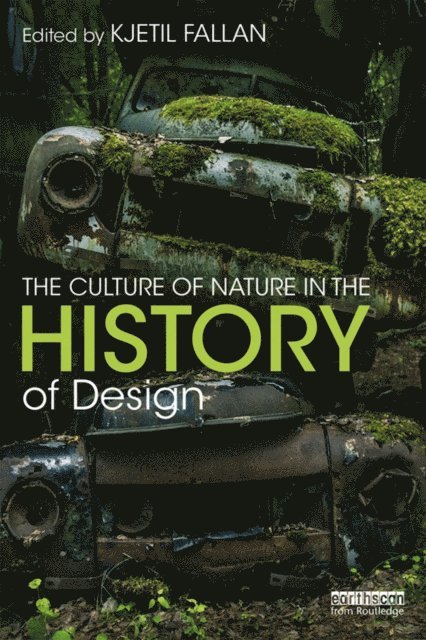
    Culture of Nature in the History of Design

    AvKjetil Fallan

    Häftad, Engelska, 2019

    748 kr

    Beställningsvara. Skickas inom 10-15 vardagar. Fri frakt över 249 kr.

    Beskrivning

    The Culture of Nature in the History of Design confronts the dilemma caused by design’s pertinent yet precarious position in environmental discourse through interdisciplinary conversations about the design of nature and the nature of design. Demonstrating that the deep entanglements of design and nature have a deeper and broader history than contemporary discourse on sustainable design and ecological design might imply, this book presents case studies ranging from the eighteenth to the twenty-first century and from Singapore to Mexico. It gathers scholarship on a broad range of fields/practices, from urban planning, landscape architecture, and architecture, to engineering design, industrial design, furniture design and graphic design. From adobe architecture to the atomic bomb, from the bonsai tree to Biosphere 2, from pesticides to photovoltaics, from rust to recycling – the culture of nature permeates the history of design. As an activity and a profession always operating in the borderlands between human and non-human environments, design has always been part of the environmental problem, whilst also being an indispensable part of the solution.The book ventures into domains as diverse as design theory, research, pedagogy, politics, activism, organizations, exhibitions, and fiction and trade literature to explore how design is constantly making and unmaking the environment and, conversely, how the environment is both making and unmaking design. This book will be of great interest to a range of scholarly fields, from design education and design history to environmental policy and environmental history.

    Produktinformation

    • Utgivningsdatum:2019-04-08
    • Mått:156 x 234 x 15 mm
    • Vikt:760 g
    • Format:Häftad
    • Språk:Engelska
    • Antal sidor:258
    • Förlag:Taylor & Francis Ltd
    • ISBN:9781138601925

    Utforska kategorier

    • Referensverk och tvärvetenskap inom Samhälle och politik
    • Miljövetenskap och miljöpolitik inom Naturvetenskap och teknik
    • Designböcker inom Kultur

    Mer om författaren

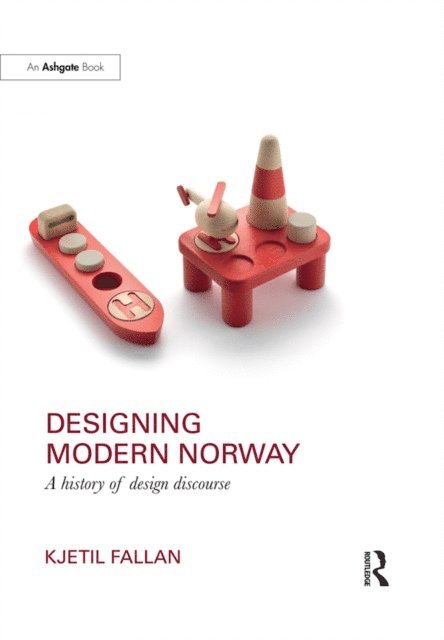
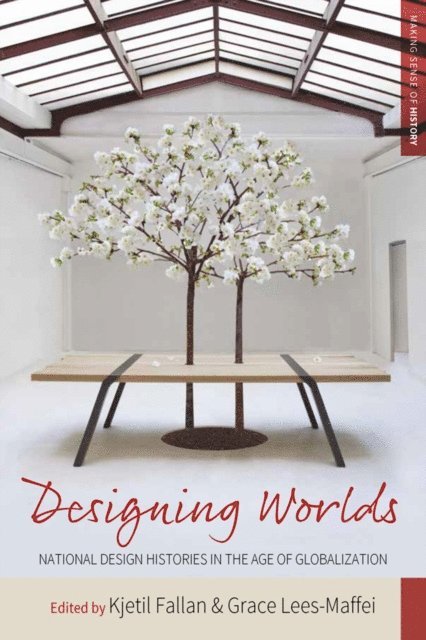
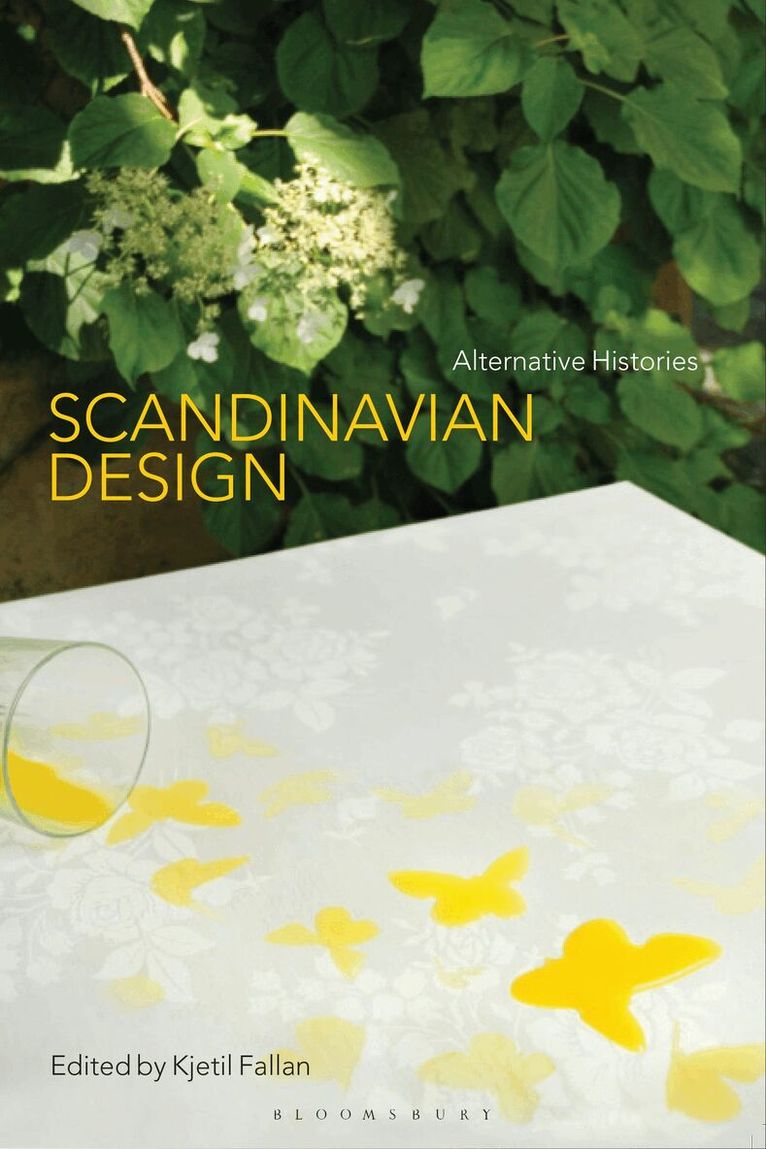
    Kjetil Fallan is Professor of Design History at the University of Oslo and a founding member of the Oslo School of Environmental Humanities. He is the author of Designing Modern Norway: A History of Design Discourse (2017) and Design History: Understanding Theory and Method (2010), editor of Scandinavian Design: Alternative Histories (2012), and co-editor, with Grace Lees-Maffei, of the book series Cultural Histories of Design as well as the volumes Designing Worlds: National Design Histories in an Age of Globalization (2016) and Made in Italy: Rethinking a Century of Italian Design (2014).

    Recensioner i media

    'If, to Dieter Rams, good design is environmentally friendly, good design history is environmentally aware. Design history thrives when it interrogates the environmental complexities of human creations, and environmental historians can learn much of human behavior from design history. The essays in The Culture of Nature in the History of Design draw upon design histories of landscapes, communities, buildings, and materials around the world as different cultures, economic systems, and movements of resistance moved to create the new, create anew, to transform the discarded, and to reimagine the possible. The cumulative effect is a multifaceted conversation that systematically and profoundly examines the history of design’s entanglements with nature, a conversation that promises to inspire important discussions in the future.'– Carl A. Zimring, author of Aluminum Upcycled: Sustainable Design in Historical Perspective'The essays collected in The Culture of Nature in the History of Design offer fresh insights into environments and the objects that populate them. Its authors examine topics ranging from Victorian ecotopias to thermonuclear shelters, the totemic materiality of consumer goods to cybernetic mapping, desert and hydropower landscapes to "garbage housing" and cultures of D.I.Y. making, and experiments in postwar design pedagogy spanning continents and political systems. The volume’s vivid mosaic of theoretically grounded essays challenges readers to reconsider humanity’s making (and unmaking) of nature and the built environment.'– Greg Castillo, College of Environmental Design, University of California, Berkeley"The book is a significant offering, providing some valuable insights into where, why and how the history of design can contribute towards understanding humanity’s evolving, and increasingly catastrophic, impacts on the global environment … Its signal achievement is to create a licit space for historians of design to openly explore some of the most significant details of the recent past of ‘sustainable design’, whose history is still poorly understood and rather overshadowed by contemporary ideological preoccupations … the book’s linkage of this history to the more open theme of the ‘culture of nature’ ends up being a refreshing and rewarding one." – Robert Crocker, Deputy Director, China Australia Centre for Sustainable Development, UniSA Creative, University of South Australia, Adelaide, Australia

    Innehållsförteckning

    • List of IllustrationsNotes on ContributorsIntroduction: The Culture of Nature in the History of DesignKjetil Fallan Part 1: Conceptual Environments Design’s Ecological Operating Environments Simon Sadler Pattern Watchers I: Environmental Seeing, c. 1970Larry Busbea Computing Environmental DesignPeder Anker Ludic Pedagogies at the College of Environmental Design, UC Berkeley, 1966 to 1972Timothy StottPart 2: Ecotopian Landscapes A Cityless and Countryless World: The Total Appropriation of Nature in Victorian UtopiasNathaniel R. Walker Clean and Disciplined: The Garden City in SingaporeJesse O’Neill Desertification, or Designing New Worlds in the Dust Fattori Fraser ‘There’s a World Going on Underground’: Ecotopian Realism in Subterranean DesignEven Smith WergelandPart 3: Design in the Garden Contested Development: ICSID’s Design Aid and Environmental Policy in the 1970sTania Messel Power in the Landscape: Regenerating the Scottish Highlands after the Second World WarFrances Robertson Design for the Garden: Questioning Gardening as EnvironmentalismJette Lykke Jensen Permanence and Magic: Super-Natural Metaphors of Stainless SteelNicolas P. MaffeiPart 4: Design as Ecology Forms of Human Environment (1970): Italian Design Responds to the Global CrisisElena Formia Environmental Design Pedagogy in Leningrad in the 1980sYulia Karpova Throwaway Houses: Garbage Housing and the Politics of OwnershipCurt Gambetta The Unmaking of AutoprogettazioneAvinash Rajagopal and Vera SacchettiIndex