

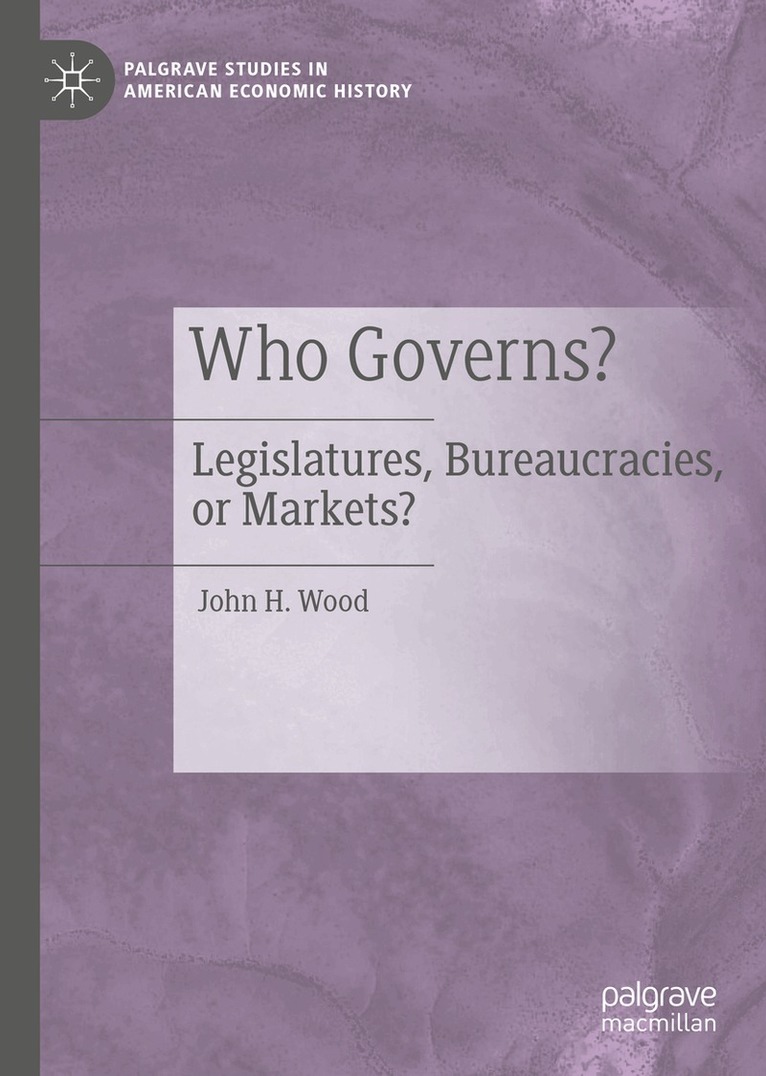
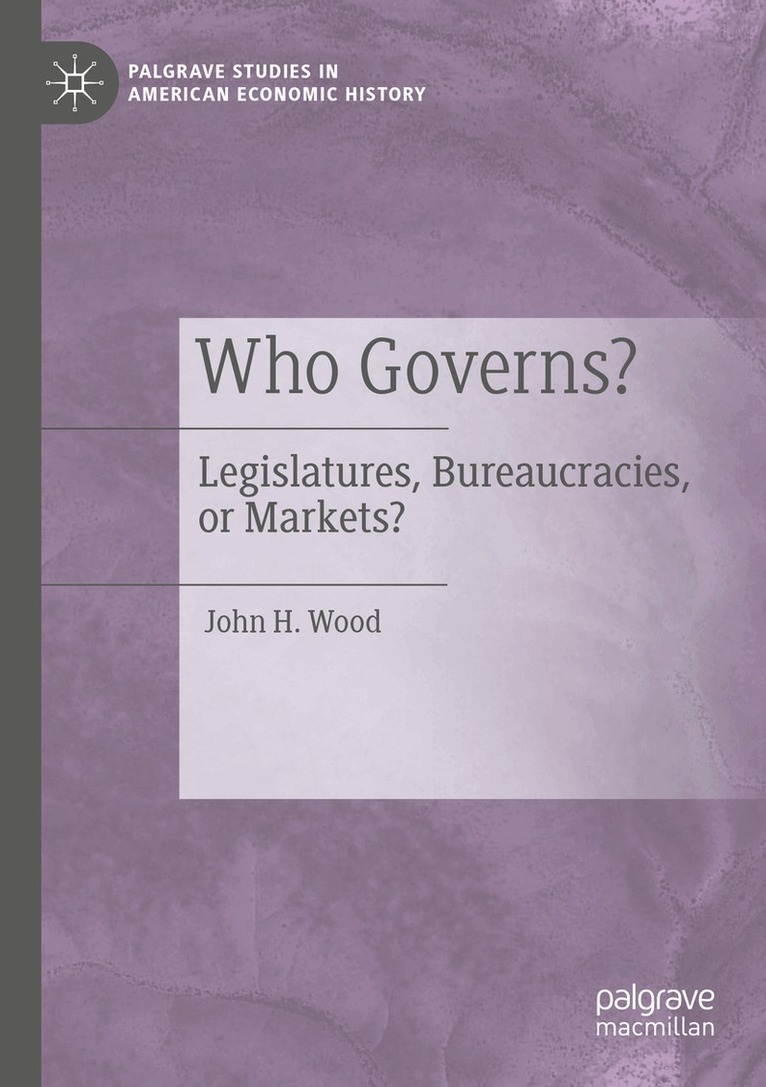
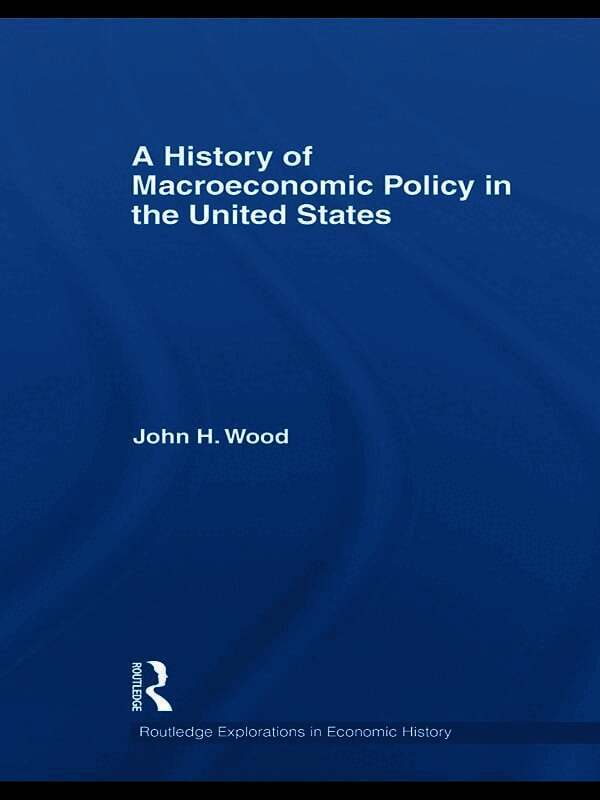
History of Macroeconomic Policy in the United States
923 kr
Beställningsvara. Skickas inom 10-15 vardagar. Fri frakt över 249 kr.
Fler format och utgåvor
Beskrivning
Keynes asked whether his ‘visionary’ ideas would overcome the interests opposed to change. However, an examination of the histories of monetary and fiscal policies suggests that this is a false distinction. The interests and ideas associated with government policies are seldom opposed. The suspicion that the latter more often follows than confronts the former is supported by the experiences documented in this book.Professor Wood’s new title examines the controlling influences that drive macroeconomic policies in the United States. The book addresses the history of the interests, ideas, and practices of monetary and fiscal policies in the U.S., although it also examines macro-policies in other countries, particularly the UK. Professor Wood argues that economic policies in the United States have been relatively predictable and stable historically, through a detailed examination of conflicts over taxes and monetary policy such as the whiskey rebellion, Magna Carta, the Stamp Act, the Banks of the U.S., and the Federal Reserve. Issues covered also include property, economists’ theories of stabilization, taxes, deficits, and monetary policy.
Produktinformation
Utforska kategorier
Mer om författaren
Recensioner i media
Innehållsförteckning
Hoppa över listan




Mer från samma författare
A History of Central Banking in Great Britain and the United States
John H. Wood, Michael D. Bordo
Inbunden, 2005
2 265 kr
Causes and Costs of Depository Institution Failures
Allin Cottrell, Graylyn Conference Center (Wake Forest U, Allin F. Cottrell, Michael S. Lawlor, John H. Wood
Inbunden, 1995
1 705 kr
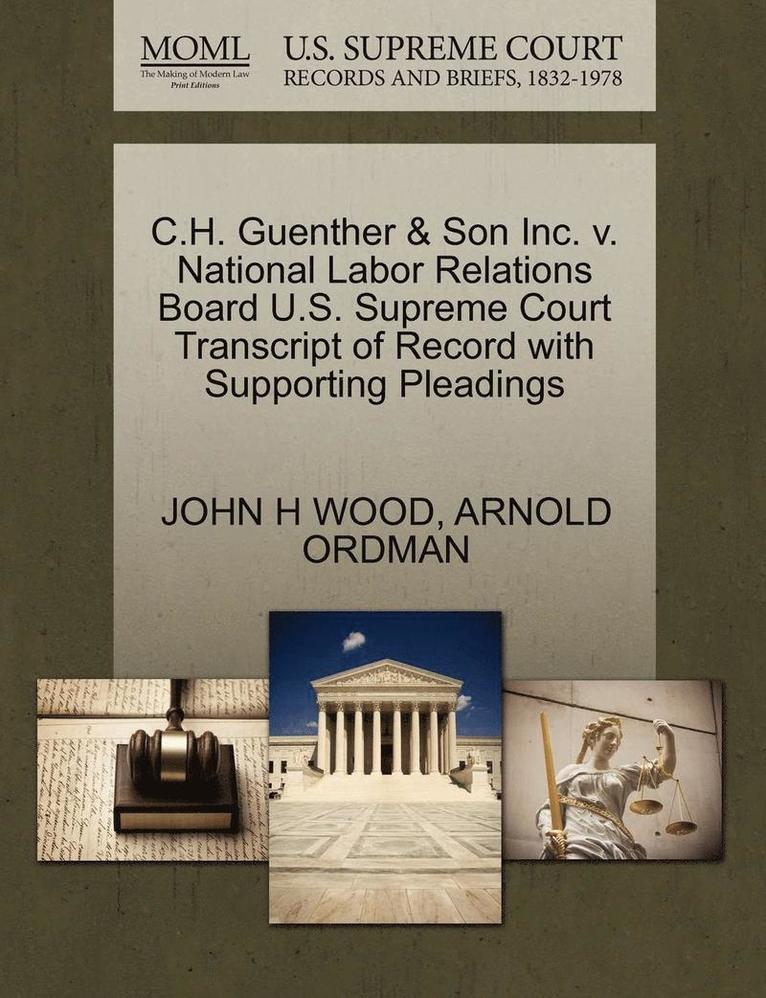
C.H. Guenther & Son Inc. V. National Labor Relations Board U.S. Supreme Court Transcript of Record with Supporting Pleadings
John H Wood, Arnold Ordman
Häftad, 2011
245 kr
Causes and Costs of Depository Institution Failures
Allin F. Cottrell, Michael S. Lawlor, John H. Wood
Häftad, 2012
1 705 kr
Hoppa över listan









Mer från samma serie
Economic History of Regional Industrialization
Bas van Leeuwen, Robin C.M. Philips, Erik Buyst
Inbunden, 2020
2 473 kr
Economic History of Regional Industrialization
Bas van Leeuwen, Robin C.M. Philips, Erik Buyst
Häftad, 2022
810 kr
Hoppa över listan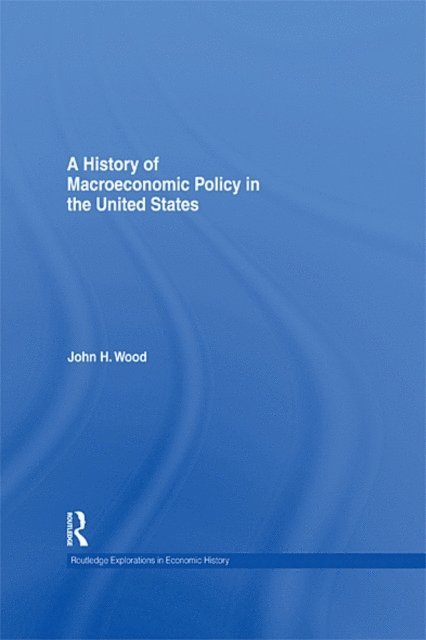
Du kanske också är intresserad av
A History of Central Banking in Great Britain and the United States
John H. Wood, Michael D. Bordo
Inbunden, 2005
2 265 kr
Causes and Costs of Depository Institution Failures
Allin F. Cottrell, Michael S. Lawlor, John H. Wood
Häftad, 2012
1 705 kr
Causes and Costs of Depository Institution Failures
Allin Cottrell, Graylyn Conference Center (Wake Forest U, Allin F. Cottrell, Michael S. Lawlor, John H. Wood
Inbunden, 1995
1 705 kr
C.H. Guenther & Son Inc. V. National Labor Relations Board U.S. Supreme Court Transcript of Record with Supporting Pleadings
John H Wood, Arnold Ordman
Häftad, 2011
245 kr