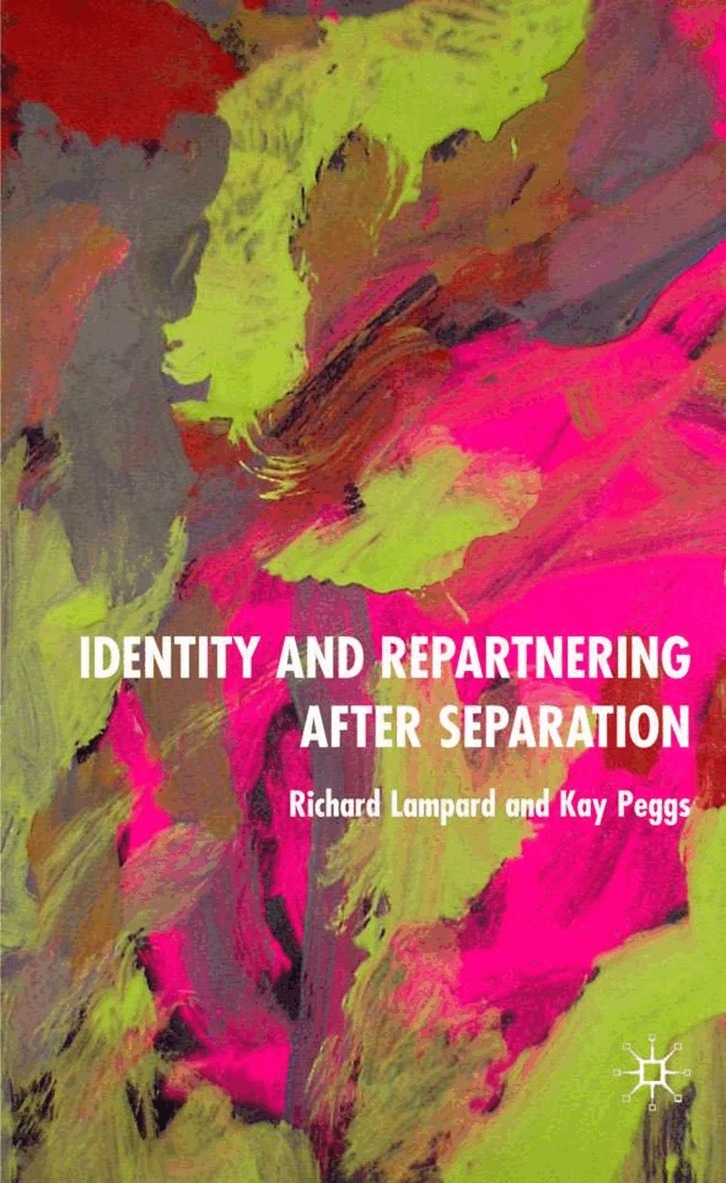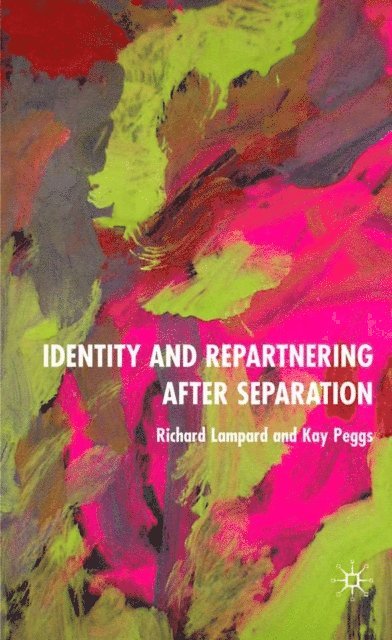
Identity and Repartnering After Separation
1 104 kr
Beställningsvara. Skickas inom 10-15 vardagar. Fri frakt över 249 kr.
Du är på sajten för privatpersoner.
1 104 kr
Beställningsvara. Skickas inom 10-15 vardagar. Fri frakt över 249 kr.
RICHARD LAMPARD is Senior Lecturer in the Department of Sociology at the University of Warwick, UK. He is co-author (with Christopher Pole) of Practical Social Investigation: Qualitative and Quantitative Methods in Social Research.KAY PEGGS is Principal Lecturer in Sociology and a Member of the Centre for European and International Social Research at the University of Portsmouth, UK. She is the author of papers and articles associated with risk and choice, women and pensions and discourses of ageing.
'Their volume manifests a sharp concern for the actual context of contemporary Britain in which people live. This context can be charaterized as a cultural vacuum: these scarcely are clear-cut and well-established societal guidelines for appropriate behaviour; together with the declining salience of traditional ideas and expectations regarding the life course, and their lack of fit with formerly partnered people's lives, repartnering people have many difficulties to give sense to their lives and to work out concrete practical lifestyles to survive in intimacy.' - The Journal of the Study of Marriage
Du är på sajten för privatpersoner.
1 104 kr
Beställningsvara. Skickas inom 10-15 vardagar. Fri frakt över 249 kr.
RICHARD LAMPARD is Senior Lecturer in the Department of Sociology at the University of Warwick, UK. He is co-author (with Christopher Pole) of Practical Social Investigation: Qualitative and Quantitative Methods in Social Research.KAY PEGGS is Principal Lecturer in Sociology and a Member of the Centre for European and International Social Research at the University of Portsmouth, UK. She is the author of papers and articles associated with risk and choice, women and pensions and discourses of ageing.
'Their volume manifests a sharp concern for the actual context of contemporary Britain in which people live. This context can be charaterized as a cultural vacuum: these scarcely are clear-cut and well-established societal guidelines for appropriate behaviour; together with the declining salience of traditional ideas and expectations regarding the life course, and their lack of fit with formerly partnered people's lives, repartnering people have many difficulties to give sense to their lives and to work out concrete practical lifestyles to survive in intimacy.' - The Journal of the Study of Marriage