• Fri frakt över 249 kr
  • •
  • Snabba leveranser
  • •
  • Billiga böcker
Kundservice

Du är på sajten för privatpersoner.

Företag, bibliotek eller offentlig verksamhet?

Du handlar på classic.bokus.com, där alla dina funktioner finns intakta.
Till classic.bokus.com
Bokus logotyp. Gå till startsidan.
  • Erbjudanden
  • Nyheter
  • Student
  • Topplistor
  • Barn & ungdom
  • Bokus Play
  • E-böcker
  • Pocketböcker
  • Spel & pussel

Må bättre, för mindre! Upp till 50% rabatt på hälsoböcker

Sidfot

Mina sidor

    Hjälp

    • Kundservice
    • Vanliga frågor och svar
    • Frakt och leverans
    • Retur vid ångerrätt
    • Reklamera vara
    • Betalning
    • Köpvillkor
    • Allmänna villkor
    • Information om webbplatsens tillgänglighet

    Om Bokus

    • Om oss
    • Pressrum
    • För studenter
    • För företag
    • För bibliotek och offentlig verksamhet
    • För leverantörer
    • Hållbarhet

    Populärt

    • Aktuella erbjudanden
    • Presentkort
    • Studentlitteratur
    • Nya böcker
    • Topplistor
    • Signerade böcker
    • Engelska böcker

    Inspiration

    • Boktips
    • BookTok
    • Populära bokserier
    • Barnbokskaraktärer
    • Populära författare
    Logotyp för Bokus
    Följ oss på Facebook (extern länk)Följ oss på Instagram (extern länk)Följ oss på YouTube (extern länk)Följ oss på TikTok (extern länk)
    bokus @ CookiesAnpassa cookiesIntegritetspolicyKöpvillkor
    Till Citymail hemsida (extern länk)Till Budbee hemsida (extern länk)Till Postnord hemsida (extern länk)Till Schenker hemsida (extern länk)Till Early Bird hemsida (extern länk)Till Walleys hemsida (extern länk)
    1. Naturvetenskap och teknik
    2. Matematik och naturvetenskap
    3. Naturvetenskap:allmänt
    4. Populärvetenskap

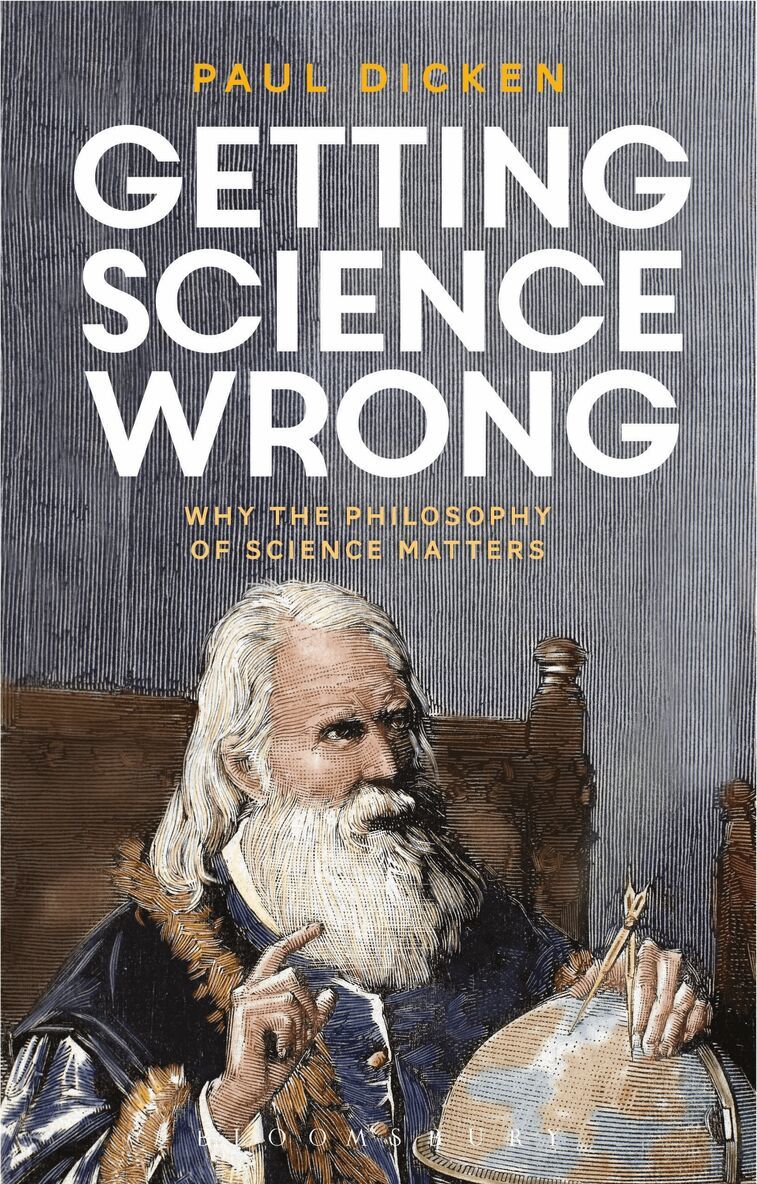
    Getting Science Wrong

    Why the Philosophy of Science Matters

    AvPaul Dicken

    Inbunden, Engelska, 2018

    1 048 kr

    Beställningsvara. Skickas inom 10-15 vardagar. Fri frakt över 249 kr.

    Fler format och utgåvor

    Häftad

    340 kr

    E-bok

    362 kr

    E-bok

    362 kr

    Beskrivning

    When Galileo dropped cannon-balls from the top of the Leaning Tower of Pisa, he did more than overturn centuries of scientific orthodoxy. At a stroke, he established a new conception of the scientific method based upon careful experimentation and rigorous observation — and also laid the groundwork for an ongoing conflict between the critical open-mindedness of science and the recalcitrant dogmatism of religion that would continue to the modern day.The problem is that Galileo never performed his most celebrated experiment in Pisa. In fact, he rarely conducted any experiments at all. The Church publicly celebrated his work, and Galileo enjoyed patronage from the great and the powerful; his ecclesiastical difficulties only began when disgruntled colleagues launched a campaign to discredit their academic rival. But what does this tell us about modern science if its own foundation myth turns out to be nothing more than political propaganda?Getting Science Wrong discusses some of the most popular misconceptions about science, and their continuing role in the public imagination. Drawing upon the history and philosophy of science it challenges wide-spread assumptions and misunderstandings, from creationism and climate change to the use of statistics and computer modelling. The result is an engaging introduction to contentious issues in the philosophy of science and a new way of looking at the role of science in society.

    Produktinformation

    • Utgivningsdatum:2018-01-11
    • Mått:138 x 216 x 14 mm
    • Vikt:404 g
    • Format:Inbunden
    • Språk:Engelska
    • Antal sidor:220
    • Förlag:Bloomsbury Publishing PLC
    • ISBN:9781350007277

    Utforska kategorier

    • Populärvetenskap inom Naturvetenskap och teknik
    • Filosofi inom Filosofi och religion
    • Naturvetenskapens filosofi inom Naturvetenskap och teknik

    Mer om författaren

    Paul Dicken received his PhD from the University of Cambridge, and has held academic positions at universities in the UK, Germany and Australia.

    Recensioner i media

    [So] beautifully, passionately written, in such an engaging, subjective manner, that it deserves a secure place on the library shelf, where it’s sure to influence, inspire, even transform the outlier student. Where else would you find a philosophy of science text that dared quote at length from Jean-Paul Sartre’s 1938 novel Nausea? Summing Up: Recommended. Upper-division undergraduates through faculty and professionals; general readers.

    Innehållsförteckning

    • List of figuresIntroduction1. Learning from our mistakes2. A matter of trial and error3. Images of science4. 88.6 percent of all statistics are all made up5. Living in different worlds6. The bankruptcy of science7. Deus ex machinaEpilogueDramatis PersonaeNotesBibliographyIndex