Inbunden, Engelska, 2026
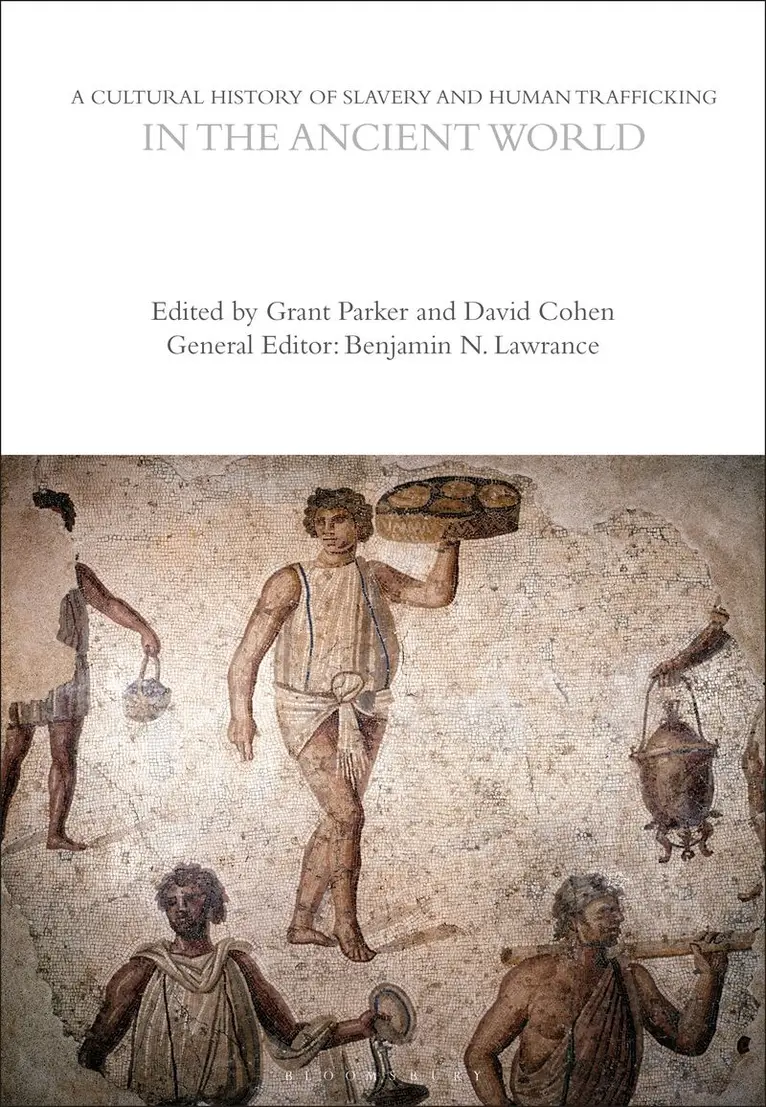
Cultural History of Slavery and Human Trafficking in the Ancient World
1086 kr
Kommande
Beskrivning
The study of enslavement and human trafficking in Ancient World cultures (10,000 BCE-500 CE) brings special difficulties. This includes the inequality of available sources, whereby enslavers’ perspectives outweigh narratives of the enslaved. Another is the relative overrepresentation of Greece, Rome, and Egypt in comparison with other societies, regardless of ample archaeological records. While the continuities between ancient and modern histories seem less obvious than in the recent past, they are worth considering in terms of terminology, concepts, and paradigms.Contributors to this volume introduce the enslaved pasts of early historical peoples, from Greeks, Romans, and Egyptians to the inhabitants of the Fertile Crescent, India, China, Mesoamerica, and other regions. The authors’ approaches are rich in detail, highlighting the persistence of coercion and bondage in sedentary and semi-nomadic societies. While written texts, such the Digest of the Roman Empire or the Code of Hammurabi, provide important evidence, archaeological materials and historical linguistics are also useful. Chapters shift between normative and descriptive discourses, narrating how societies functioned. The practices of enslavement and trafficking reflected socioeconomic and political realities without which concepts such as freedom and liberty could never have been articulated.
Produktinformation
- Utgivningsdatum: 2026-11-12
- Mått: 172 x 244 x 16 mm
- Vikt: 571 g
- Format: Inbunden
- Språk: Engelska
- Serie: Cultural Histories Series
- Antal sidor: 216
- Förlag: Bloomsbury Publishing PLC
- ISBN: 9781350053571
Utforska kategorier
Betyg & recensioner
0 recensioner
Inga recensioner tillgängliga.