
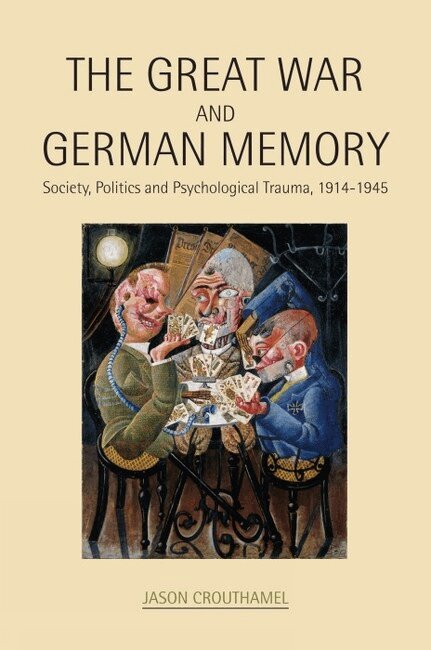
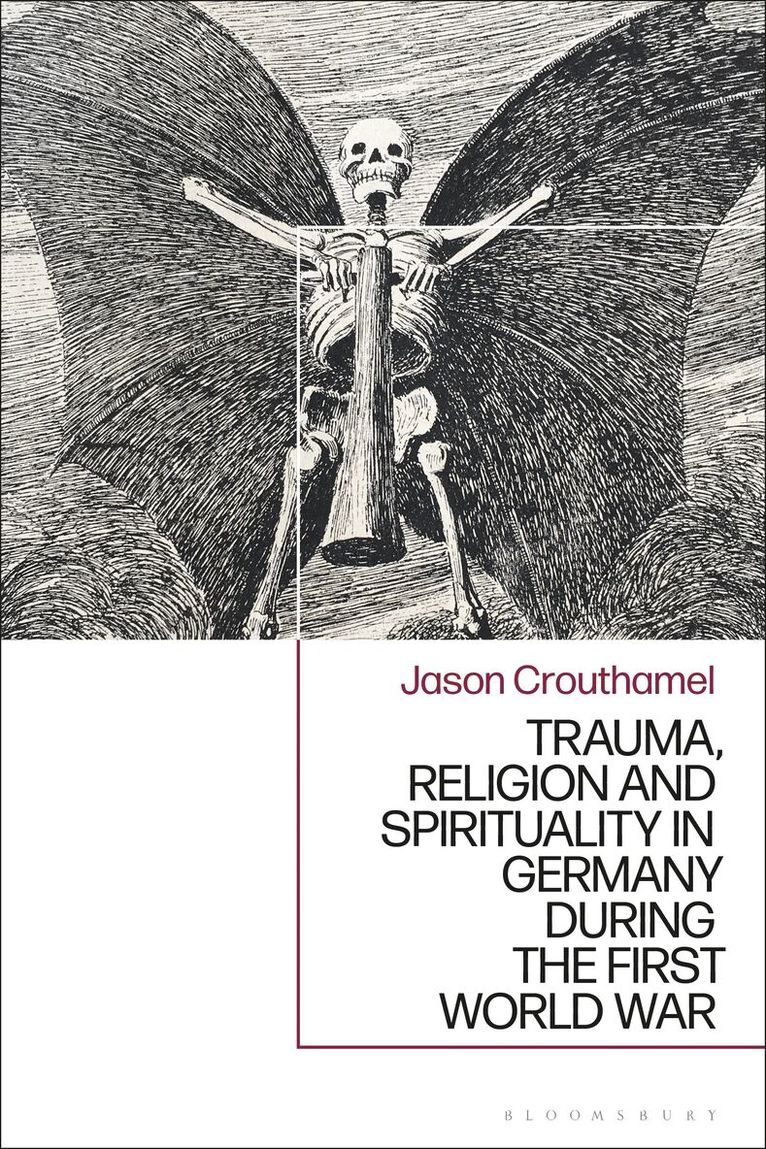
Trauma, Religion and Spirituality in Germany during the First World War
Inbunden, Engelska, 2021
1 325 kr
Beställningsvara. Skickas inom 10-15 vardagar. Fri frakt över 249 kr.
Fler format och utgåvor
Beskrivning
This book explores the impact of violence on the religious beliefs of front soldiers and civilians in Germany during the First World War. The central argument is that religion was the main prism through which men and women in the Great War articulated and processed trauma. Inspired by trauma studies, the history of emotions, and the social and cultural history of religion, this book moves away from the history of clerical authorities and institutions at war and instead focuses on the history of religion and war ‘from below.’ Jason Crouthamel provides a fascinating exploration into the language and belief systems used by ordinary people to explain the inexplicable. From Judeo-Christian traditions to popular beliefs and ‘superstitions,’ German soldiers and civilians depended on a malleable psychological toolbox that included a hybrid of ideas stitched together using prewar concepts mixed with images or experiences derived from the surreal environment of modern combat. Perhaps most interestingly, studying the front experience exposes not only lived religion, but also how religious beliefs are invented. Front soldiers in particular constructed new, subjective spiritual and religious concepts based on encounters with industrialized weapons, the sacred experience of comradeship, and immersion in mass death, which profoundly altered their sense of self and the supernatural. More than just a coping mechanism, religious language and beliefs enabled victims, and perpetrators, of violence to narrate concepts of psychological renewal and rebirth. In the wake of defeat and revolution, religious concepts shaped by the war experience also became a cornerstone of visions for radical political movements, including the National Socialists, to transform a shattered and embittered German nation.Making use of letters between soldiers and civilians, diaries, memoirs and front newspapers, Trauma, Religion and Spirituality in Germany during the First World War offers a unique glimpse into the belief systems of men and women at a turning point in European history.
Produktinformation
Utforska kategorier
Mer om författaren
Recensioner i media
Innehållsförteckning
Hoppa över listan
Mer från samma författare
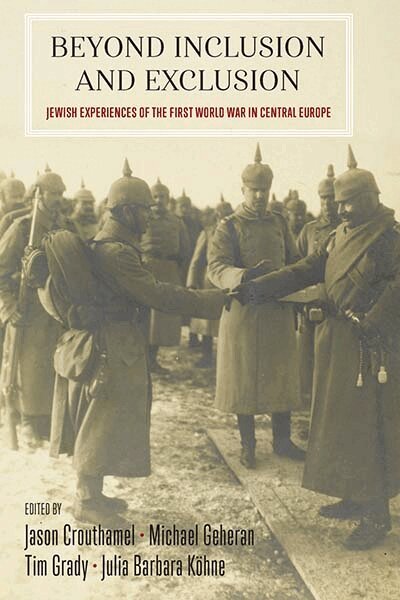
Beyond Inclusion and Exclusion
Jason Crouthamel, Michael Geheran, Tim Grady, Julia Barbara Köhne
Inbunden, 2018
2 117 kr
Beyond Inclusion and Exclusion
Julia Barbara Kohne, Tim Grady, Michael Geheran, Jason Crouthamel
E-bok
2018377 kr
Beyond Inclusion and Exclusion
Jason Crouthamel, Michael Geheran, Tim Grady, Julia Barbara Köhne
Häftad, 2021
605 kr
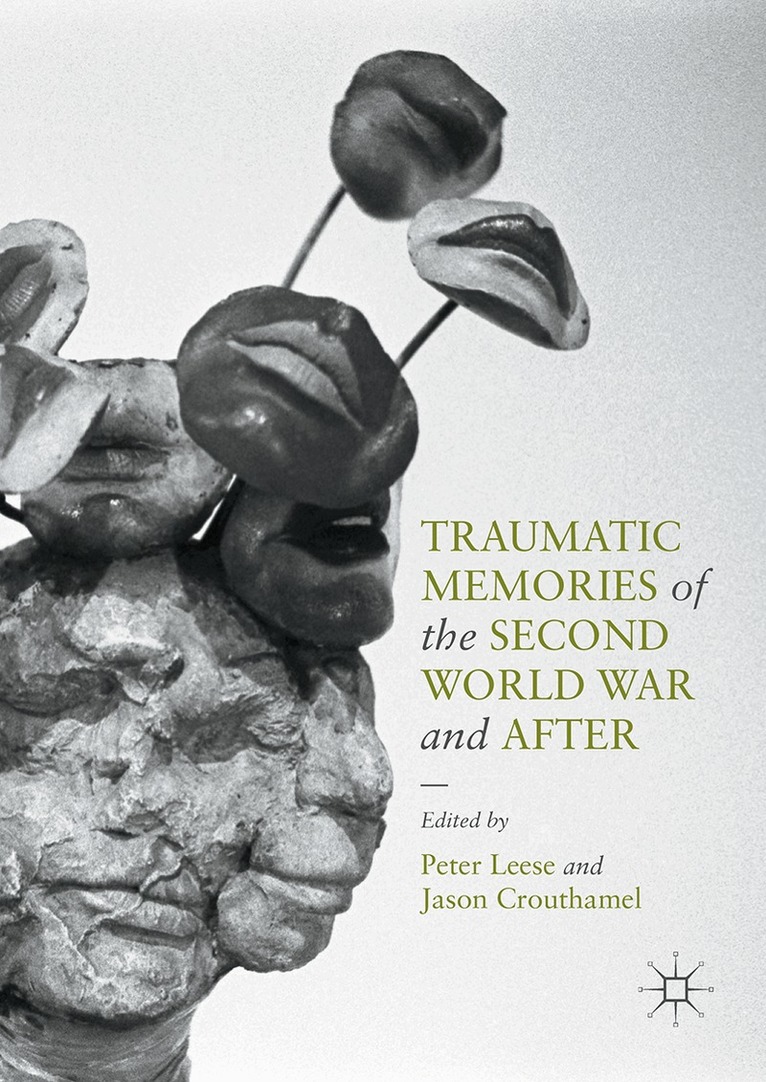
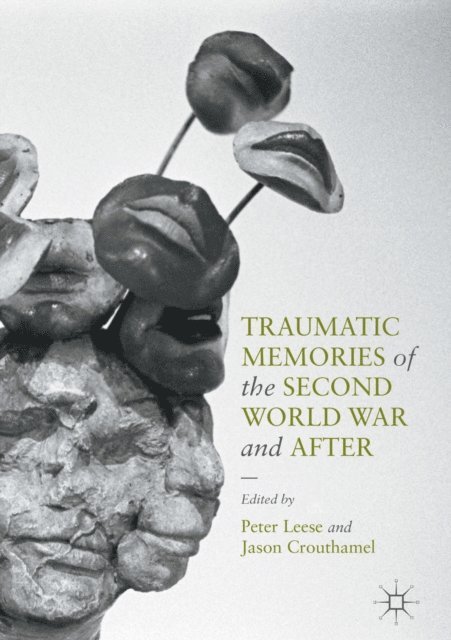
Traumatic Memories of the Second World War and After
Peter Leese, Jason Crouthamel
Inbunden, 2016
1 135 kr
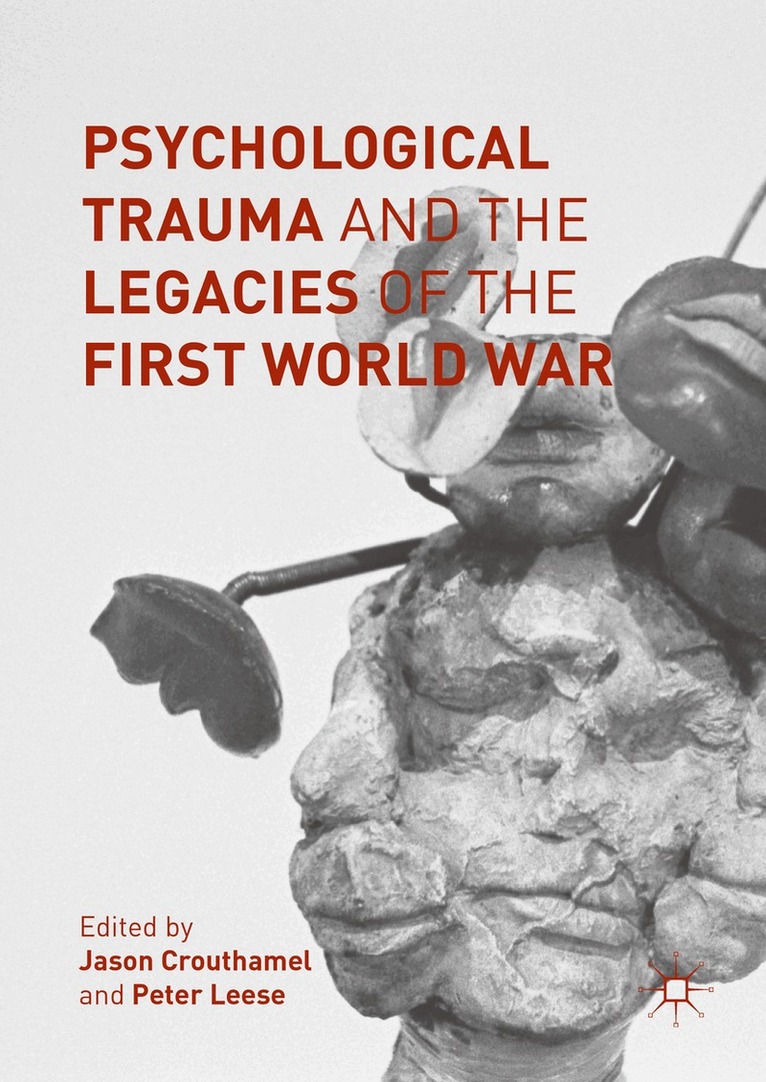
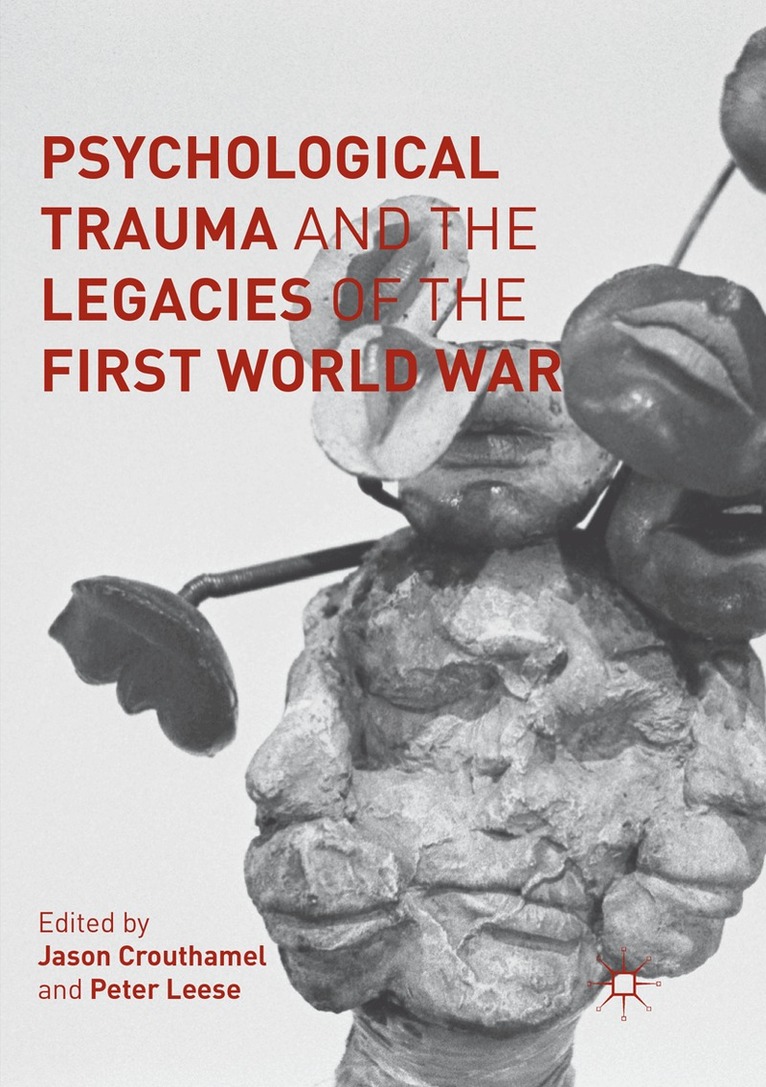
Psychological Trauma and the Legacies of the First World War
Jason Crouthamel, Peter Leese
Inbunden, 2016
1 360 kr
Hoppa över listan
Du kanske också är intresserad av
- 10% rabatt på allt
Trauma, Religion and Spirituality in Germany during the First World War
Jason Crouthamel
Häftad, 2023
423 kr
Traumatic Memories of the Second World War and After
Peter Leese, Jason Crouthamel
Inbunden, 2016
1 135 kr
Beyond Inclusion and Exclusion
Jason Crouthamel, Michael Geheran, Tim Grady, Julia Barbara Köhne
Inbunden, 2018
2 117 kr
Psychological Trauma and the Legacies of the First World War
Jason Crouthamel, Peter Leese
Häftad, 2018
1 360 kr
Psychological Trauma and the Legacies of the First World War
Jason Crouthamel, Peter Leese
Inbunden, 2016
1 360 kr