• Fri frakt över 249 kr
  • •
  • Snabba leveranser
  • •
  • Billiga böcker
Kundservice

Du är på sajten för privatpersoner.

Företag, bibliotek eller offentlig verksamhet?

Du handlar på classic.bokus.com, där alla dina funktioner finns intakta.
Till classic.bokus.com
Bokus logotyp. Gå till startsidan.
  • Erbjudanden
  • Student
  • Topplistor
  • Barn & ungdom
  • Bokus Play
  • E-böcker
  • Ljudböcker
  • Pocketböcker
  • Spel och pussel

5% studentrabatt – använd koden KURSBOK27 →

Sidfot

Mina sidor

    Hjälp

    • Kundservice
    • Vanliga frågor och svar
    • Frakt och leverans
    • Retur vid ångerrätt
    • Reklamera vara
    • Betalning
    • Köpvillkor
    • Allmänna villkor
    • Information om webbplatsens tillgänglighet

    Om Bokus

    • Om oss
    • Pressrum
    • För studenter
    • För företag
    • För bibliotek och offentlig verksamhet
    • För leverantörer
    • Hållbarhet

    Populärt

    • Aktuella erbjudanden
    • Presentkort
    • Studentlitteratur
    • Nya böcker
    • Topplistor
    • Signerade böcker
    • Engelska böcker

    Inspiration

    • Boktips
    • BookTok
    • Barnbokskaraktärer
    • Populära författare
    Logotyp för Bokus
    Följ oss på Facebook (extern länk)Följ oss på Instagram (extern länk)Följ oss på YouTube (extern länk)Följ oss på TikTok (extern länk)
    bokus @ CookiesAnpassa cookiesIntegritetspolicyKöpvillkor
    Till Citymail hemsida (extern länk)Till Budbee hemsida (extern länk)Till Postnord hemsida (extern länk)Till Schenker hemsida (extern länk)Till Early Bird hemsida (extern länk)Till Walleys hemsida (extern länk)
    1. Samhälle och politik
    2. Samhälle och kultur
    3. Kultur och medier
    4. Referensverk och tvärvetenskap

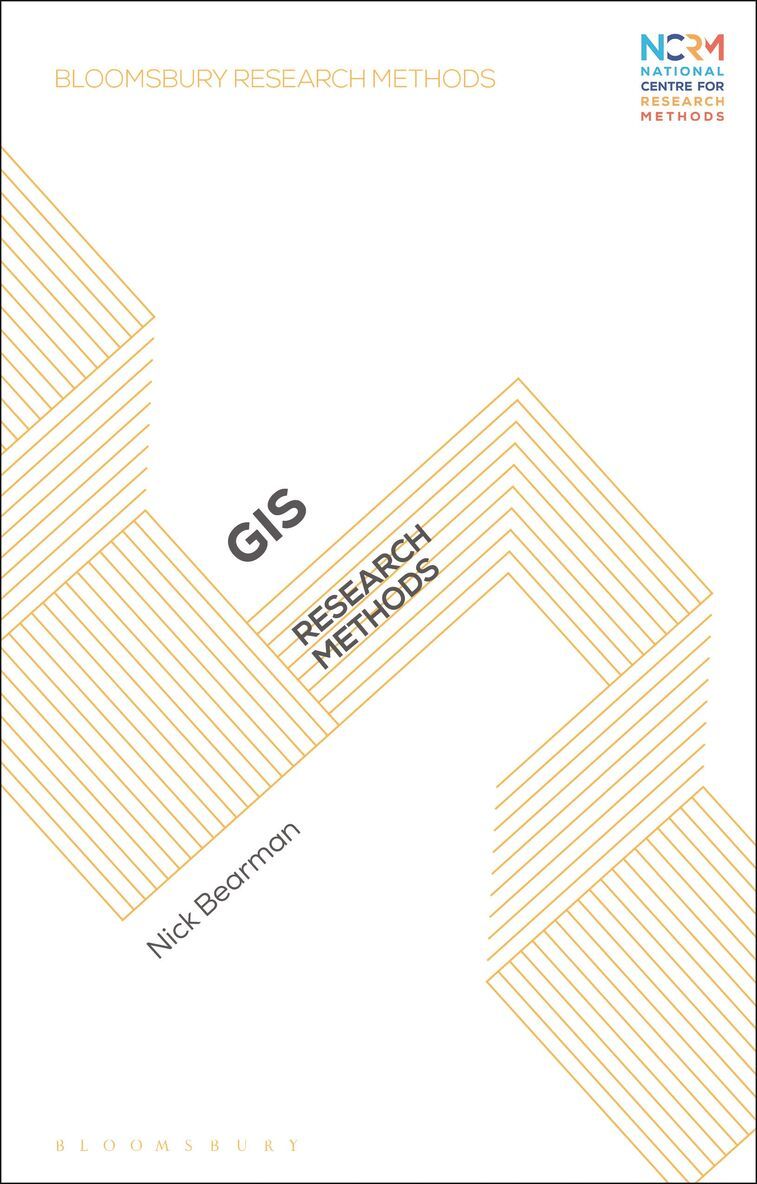
    GIS

    Research Methods

    AvNick Bearman,Jessica Nina Lester

    Inbunden, Engelska, 2020

    Del i serien Bloomsbury Research Methods

    892 kr

    Beställningsvara. Skickas inom 10-15 vardagar. Fri frakt över 249 kr.

    Fler format och utgåvor

    Häftad

    279 kr

    E-bok

    302 kr

    E-bok

    299 kr

    Beskrivning

    This book provides a non-technical overview of the science and tools behind geographic information systems and geographic information science for researchers, students and academics who do not have a GIS or Geography background. The book covers the history of GIS, from John Snow’s Cholera map (1854) right up to today's software and data and cutting-edge analysis techniques. Bearman goes on to cover how to find, use and evaluate the latest data sets to critiquing existing maps, highlighting limitations and common mistakes. A variety of different GIS methods including Google Maps, GPS, big data, context and choropleth maps are discussed and the pros and cons of each are highlighted allowing you to choose the appropriate method or piece of software for your own research. This is the ideal book for anyone thinking about using GIS in their own research.

    Produktinformation

    • Utgivningsdatum:2020-12-10
    • Mått:144 x 218 x 12 mm
    • Vikt:320 g
    • Format:Inbunden
    • Språk:Engelska
    • Serie:Bloomsbury Research Methods
    • Antal sidor:192
    • Förlag:Bloomsbury Publishing PLC
    • ISBN:9781350129566

    Utforska kategorier

    • Referensverk och tvärvetenskap inom Samhälle och politik

    Mer om författaren

    Nick Bearman is Teaching Fellow in Geospatial Analysis in the Department of Geography, University College London, UK. He also delivers bespoke GIS training programmes to a wide variety of clients, including universities, public and private sector organisations throughout the UK and the world.

    Recensioner i media

    Using straightforward language that is easily accessible for all audiences, this book covers the foundational concepts and rigor necessary to understand the importance that GIS has in research. Readers will appreciate the mostly software-agnostic approach and the tips and tricks to address common snags one might stumble across. I would highly recommend this book to anyone who is considering getting started with GIS or works with GIS professionals and wants to have a better, high-level understanding of the technology.

    Innehållsförteckning

    • AcknowledgementsSeries Editor IntroductionIntroduction: Using GIS in Social Science1. History2. Creating Maps3. Cartography4. How is Spatial Data Structured?5. GIS Software6. Next StepsReferencesGlossaryIndex