• Fri frakt över 249 kr
  • •
  • Snabba leveranser
  • •
  • Billiga böcker
Kundservice

Du är på sajten för privatpersoner.

Företag, bibliotek eller offentlig verksamhet?

Du handlar på classic.bokus.com, där alla dina funktioner finns intakta.
Till classic.bokus.com
Bokus logotyp. Gå till startsidan.
  • Erbjudanden
  • Nyheter
  • Student
  • Topplistor
  • Barn & ungdom
  • Bokus Play
  • E-böcker
  • Pocketböcker
  • Spel & pussel

10% rabatt på allt med kod NYSTART10 →

Sidfot

Mina sidor

    Hjälp

    • Kundservice
    • Vanliga frågor och svar
    • Frakt och leverans
    • Retur vid ångerrätt
    • Reklamera vara
    • Betalning
    • Köpvillkor
    • Allmänna villkor
    • Information om webbplatsens tillgänglighet

    Om Bokus

    • Om oss
    • Pressrum
    • För studenter
    • För företag
    • För bibliotek och offentlig verksamhet
    • För leverantörer
    • Hållbarhet

    Populärt

    • Aktuella erbjudanden
    • Presentkort
    • Studentlitteratur
    • Nya böcker
    • Topplistor
    • Signerade böcker
    • Engelska böcker

    Inspiration

    • Boktips
    • BookTok
    • Populära bokserier
    • Barnbokskaraktärer
    • Populära författare
    Logotyp för Bokus
    Följ oss på Facebook (extern länk)Följ oss på Instagram (extern länk)Följ oss på YouTube (extern länk)Följ oss på TikTok (extern länk)
    bokus @ CookiesAnpassa cookiesIntegritetspolicyKöpvillkor
    Till Citymail hemsida (extern länk)Till Budbee hemsida (extern länk)Till Postnord hemsida (extern länk)Till Schenker hemsida (extern länk)Till Early Bird hemsida (extern länk)Till Walleys hemsida (extern länk)
    1. Historia och arkeologi
    2. Historia
    3. Historia: särskilda händelser och ämnen
    4. Socialhistoria och kulturhistoria

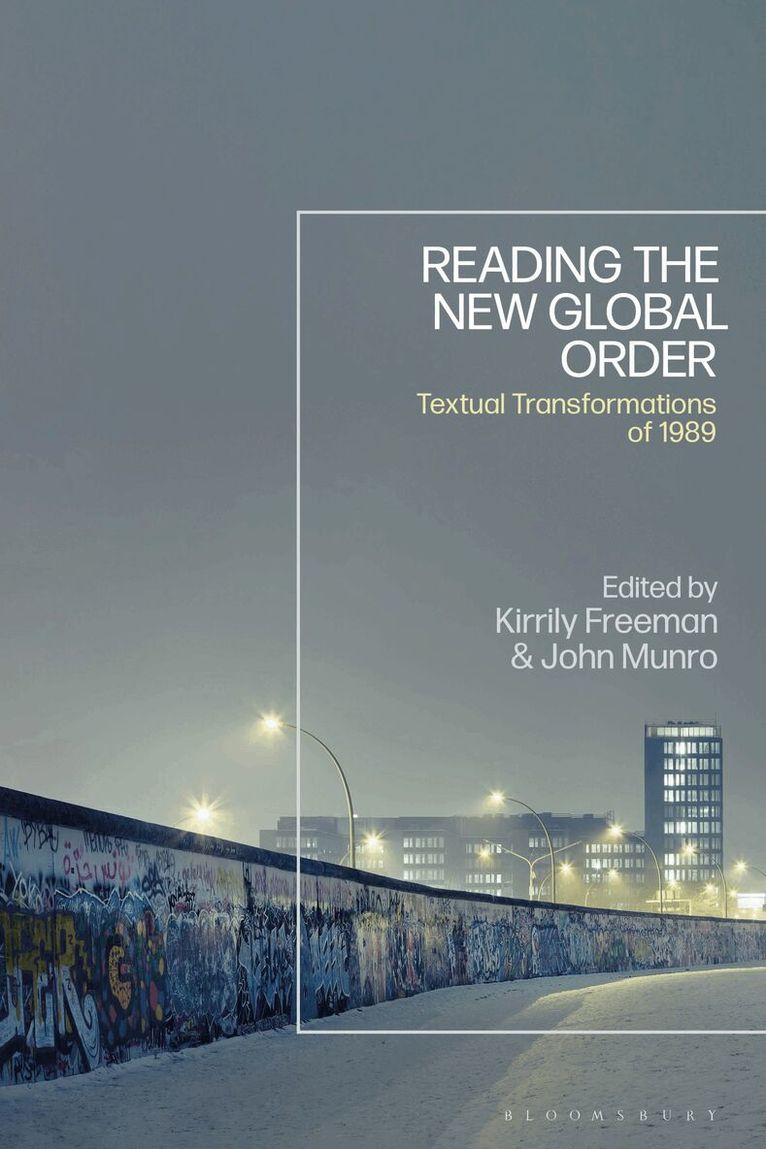
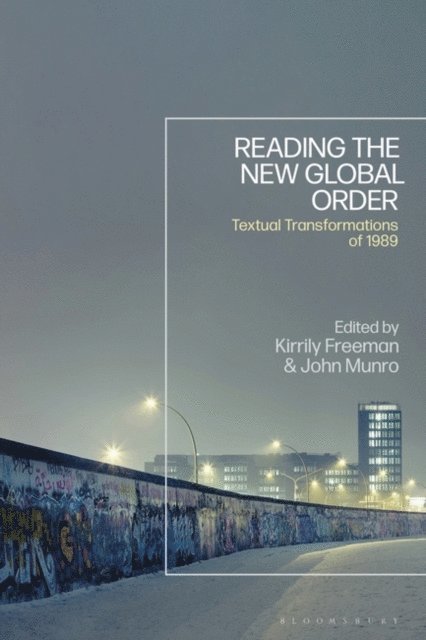
    Reading the New Global Order

    Textual Transformations of 1989

    AvKirrily Freeman,John Munro

    Inbunden, Engelska, 2022

    1 366 kr

    Beställningsvara. Skickas inom 10-15 vardagar. Fri frakt över 249 kr.

    Beskrivning

    1989 bore witness to a number of seismic events; The fall of the Berlin Wall, protests at Tiananmen Square, the US invasion of Panama, and many more. These notable moments inspired an array of visual, sonic and literary texts that can tell us much about this watershed moment. This edited collection examines these products of 1989 to explore the sense of transformative immediacy, which defined this memorable year, and show how the events of 1989 set the path for the 21st century.Gathering together scholars across a range of disciplines, Reading the New Global Order examines specific texts to reveal key transnational issues of that year, and to highlight fundamental questions about the nature and significance of 1989 as a global moment. From speeches, manifestos and novellas, to a pop album, this book raises questions about what constitutes a ‘text’ in the study of history and what they can reveal about their point in time. Taken together, these chapters highlight 1989 as a cultural, intellectual and political landmark of the 20th century through the global events it saw and the texts it produced.
    Produktinformation

    • Utgivningsdatum:2022-11-03
    • Mått:156 x 234 x undefined mm
    • Format:Inbunden
    • Språk:Engelska
    • Antal sidor:280
    • Förlag:Bloomsbury Publishing PLC
    • ISBN:9781350264939

    Utforska kategorier

    • Socialhistoria och kulturhistoria inom Historia och arkeologi
    • Historia inom Historia och arkeologi

    Mer om författaren

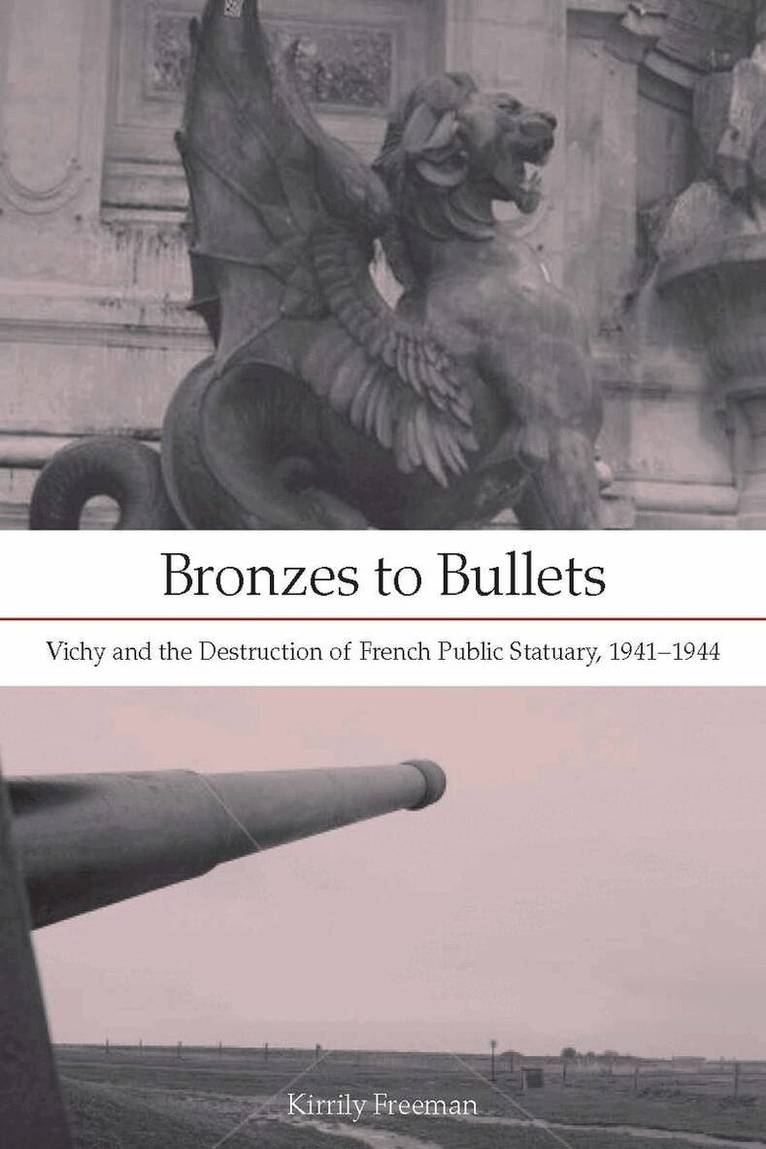
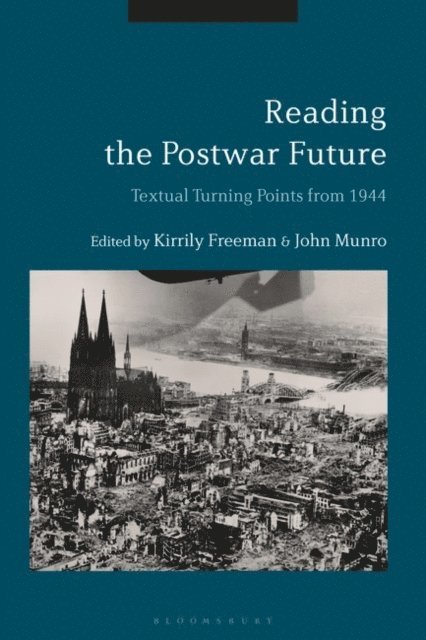
    Kirrily Freeman is Associate Professor of History at Saint Mary’s University, in Halifax, Canada. Her publications include Bronzes to Bullets: Vichy and the Destruction of French Public Statuary, 1940-1944 (2009) and Reading the Postwar Future: Textual Turning Points from 1944 (Bloomsbury, 2019), co-edited with John Munro.John Munro is Lecturer in United States History at the University of Birmingham, UK. His publications include The Anticolonial Front: The African American Freedom Struggle and Global Decolonization, 1945-1960 (2017) and Reading the Postwar Future: Textual Turning Points from 1944 (Bloomsbury, 2019), co-edited with Kirrily Freeman.

    Recensioner i media

    I am grateful for the thinkers willing to hurl themselves into the strange ending that is 1989 to find what is still alive, persistent, emergent. This book of engaged and engaging essays takes on that task, and if it arrives one-third of a century later it comes with perfect timing, at a moment when we are tangled in questions of whether the coils of nostalgia and the snares of repetition can mean anything other then revanchist violence and the stasis of circling the drain. It’s a good book for grim times. It reminds me that if history is always ending this means it is always about to begin — that we live still, endure still, in the moments before history can truly commence, before actual emancipation. Ending up at that beginning is not inevitable but neither is catastrophe. We’ll need to fight a lot, and we’ll need to know a lot, and this book helps.

    Innehållsförteckning

    • List of FiguresAcknowledgements Introduction, Kirrily FreemanPart I: Intellectual Production1. The End of History?, Molly Geidel2. The Rushdie Affair, the Threat of a Globalized Islam, and the Retreat From Multiculturalism, Rita Chin 3. Total Critique: The Condition Of Postmodernity at the End of History,Don Mitchell4. Beyond Binaries: Stuart Hall and The History of Science, Michell Chresfield 5. Intersectionality as Heuristic: A Conversation, Phanuel Antwi and Amira Ismail Part II: Culture and Politics6. The New Concerned Intellectuals and Civil Society: Democracy Movements in Taiwan, Song-Chuan Chen7. The Guildford Four and First Tuesday: Free to Speak, Frances Pheasant-Kelly8. George H.W. Bush’s Panama War Speech: Realist Policy as “Just Cause”, Wassim Daghrir9. Poptivism on the Cold War’s Edge: Breakthrough/Rainbow Warriors and the “1989” Sound, Roxanne Panchasi10. A Tale of Two Periodicities: Indigenous and Settler Continuities Amid Neoliberal Transformation at the St. Alice Hotel, John Munro11. Germany, the Environment, and the End of Communism: A Conversation, Julia Ault and Thomas FleischmanConclusion, Ned Richardson-LittleBibliographyIndex