Kirrily Freeman – författare
Visar alla böcker från författaren Kirrily Freeman. Handla med fri frakt och snabb leverans.
11 produkter
11 produkter
Inbunden, Engelska, 2008
865 kr
Skickas inom 10-15 vardagar
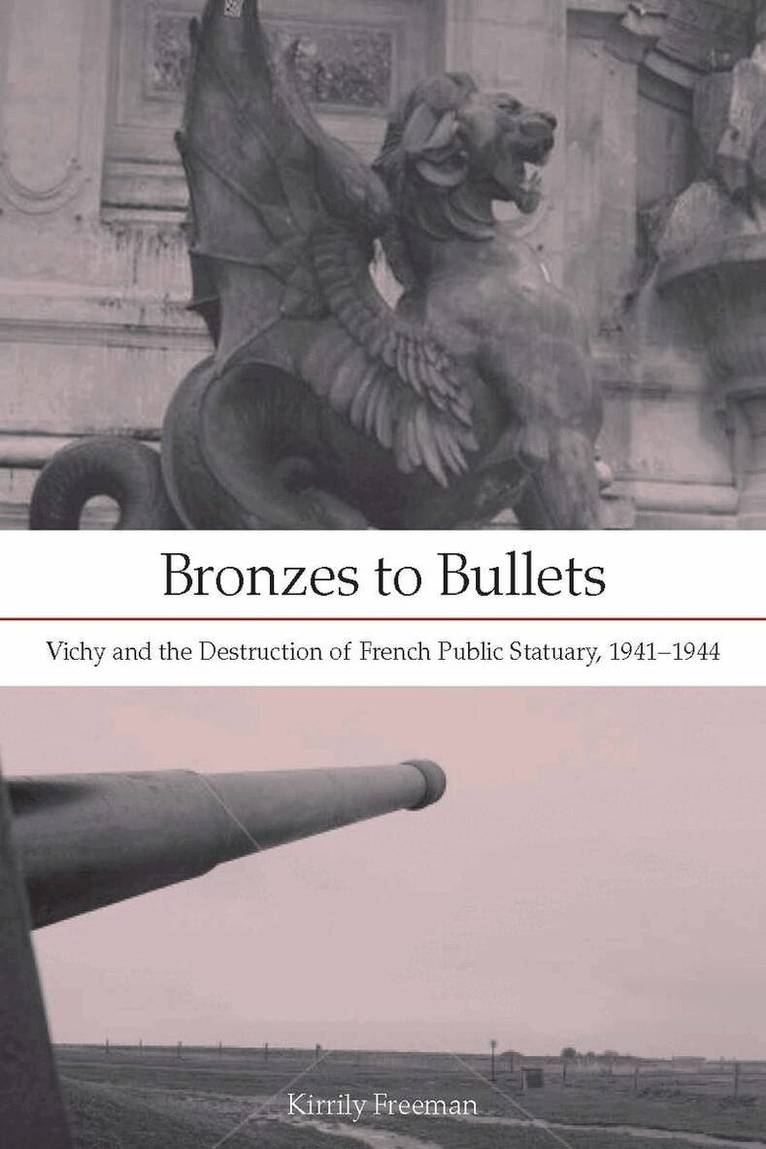
Bronzes to Bullets tells the story of French statues and monuments that were melted down and shipped to Nazi munitions factories during the Second World War. Beginning with the economic context that led to the destruction of public art, the book goes on to detail the process by which monuments were removed and destroyed and the metal sent to Germany for Hitler's war machine. The most remarkable part of the story is the reaction of the French public to the loss of its artwork. People protested all over France, and many communities took extraordinary measures to save their statues. This protest, and the way the collaborationist Vichy government handled it, sheds light on the complexities of life in wartime France.
Inbunden, Engelska, 2019
1 923 kr
Skickas inom 10-15 vardagar
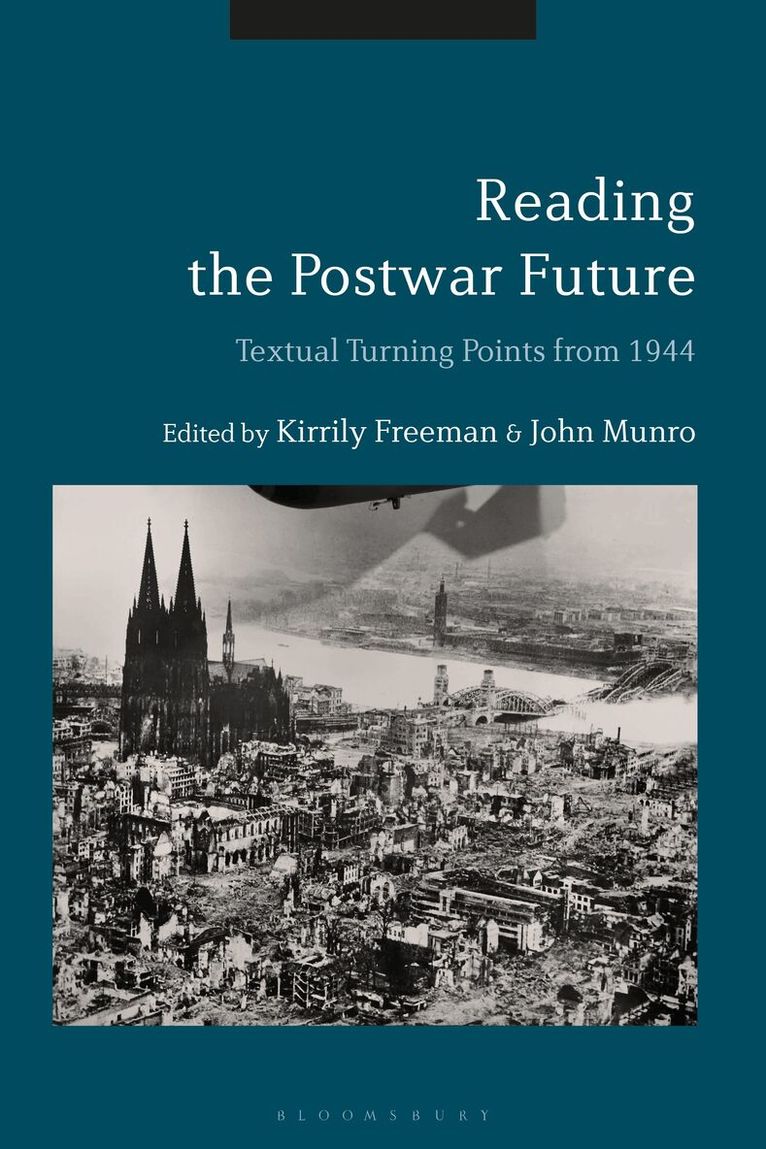
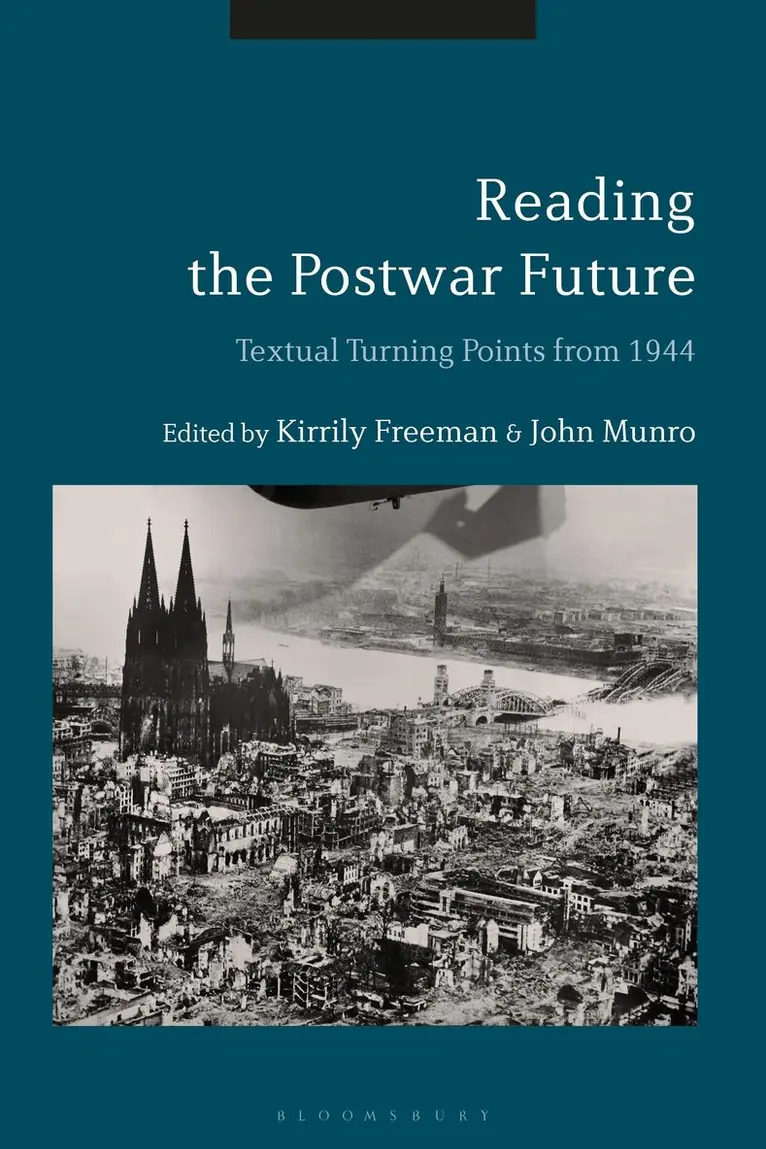
This original collection explores a number of significant texts produced in 1944 that define that year as a textual turning point when overlapping and diverging visions of a new world emerged. The questions posed at that moment, about capitalism, race, empire, nation and cultural modernity gave rise to debates that defined the global politics of their era and continue to delineate our own. Highlighting the goals, agendas and priorities that emerged for artists, intellectuals and politicians in 1944, Reading the Postwar Future rethinks the intellectual history of the 20th century and the way 1944’s texts shaped the contours of the postwar world. This is essential reading for any student or scholar of the intellectual, political, economic and cultural history of the postwar era.
E-bok
PDF, Engelska, 2019574 kr
Läs direkt efter köp
This original collection explores a number of significant texts produced in 1944 that define that year as a textual turning point when overlapping and diverging visions of a new world emerged. The questions posed at that moment, about capitalism, race, empire, nation and cultural modernity gave rise to debates that defined the global politics of their era and continue to delineate our own. Highlighting the goals, agendas and priorities that emerged for artists, intellectuals and politicians in 1944, Reading the Postwar Future rethinks the intellectual history of the 20th century and the way 1944''s texts shaped the contours of the postwar world. This is essential reading for any student or scholar of the intellectual, political, economic and cultural history of the postwar era.
E-bok
Engelska, 2019554 kr
Läs direkt efter köp
This original collection explores a number of significant texts produced in 1944 that define that year as a textual turning point when overlapping and diverging visions of a new world emerged. The questions posed at that moment, about capitalism, race, empire, nation and cultural modernity gave rise to debates that defined the global politics of their era and continue to delineate our own. Highlighting the goals, agendas and priorities that emerged for artists, intellectuals and politicians in 1944, Reading the Postwar Future rethinks the intellectual history of the 20th century and the way 1944''s texts shaped the contours of the postwar world. This is essential reading for any student or scholar of the intellectual, political, economic and cultural history of the postwar era.
Häftad, Engelska, 2021
535 kr
Skickas inom 10-15 vardagar
This original collection explores a number of significant texts produced in 1944 that define that year as a textual turning point when overlapping and diverging visions of a new world emerged. The questions posed at that moment, about capitalism, race, empire, nation and cultural modernity gave rise to debates that defined the global politics of their era and continue to delineate our own. Highlighting the goals, agendas and priorities that emerged for artists, intellectuals and politicians in 1944, Reading the Postwar Future rethinks the intellectual history of the 20th century and the way 1944’s texts shaped the contours of the postwar world. This is essential reading for any student or scholar of the intellectual, political, economic and cultural history of the postwar era.
Inbunden, Engelska, 2022
1 365 kr
Skickas inom 10-15 vardagar
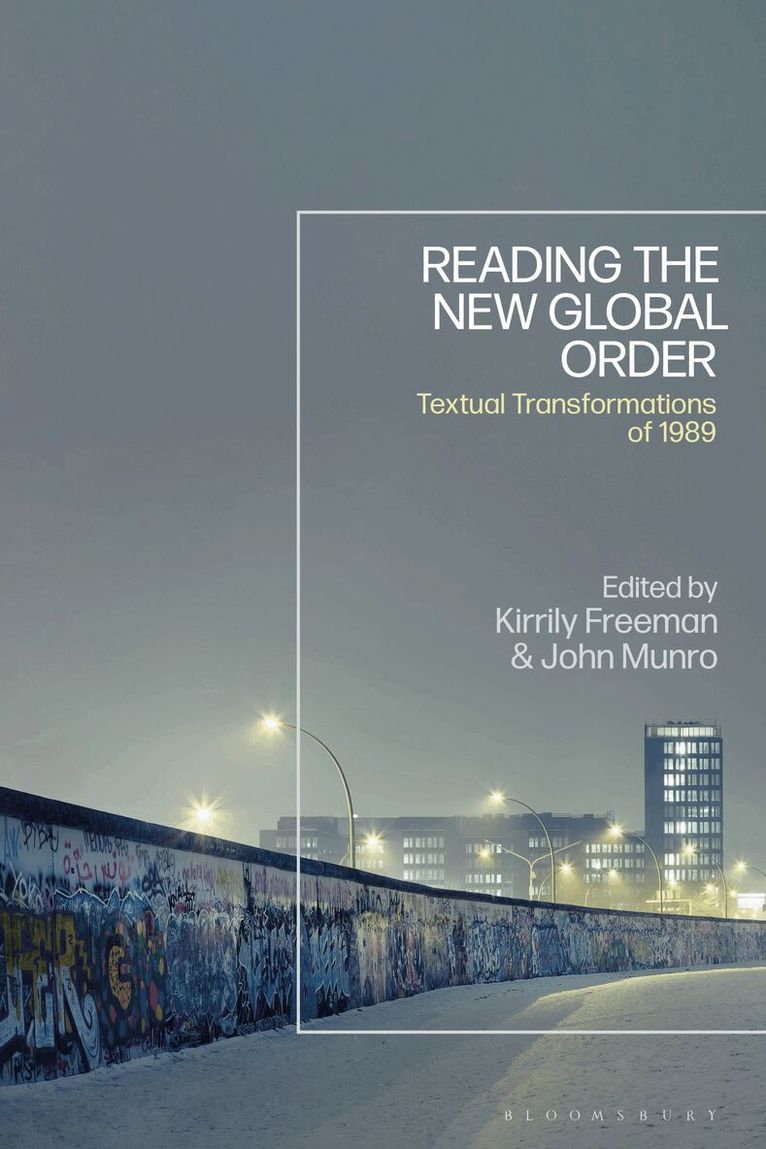
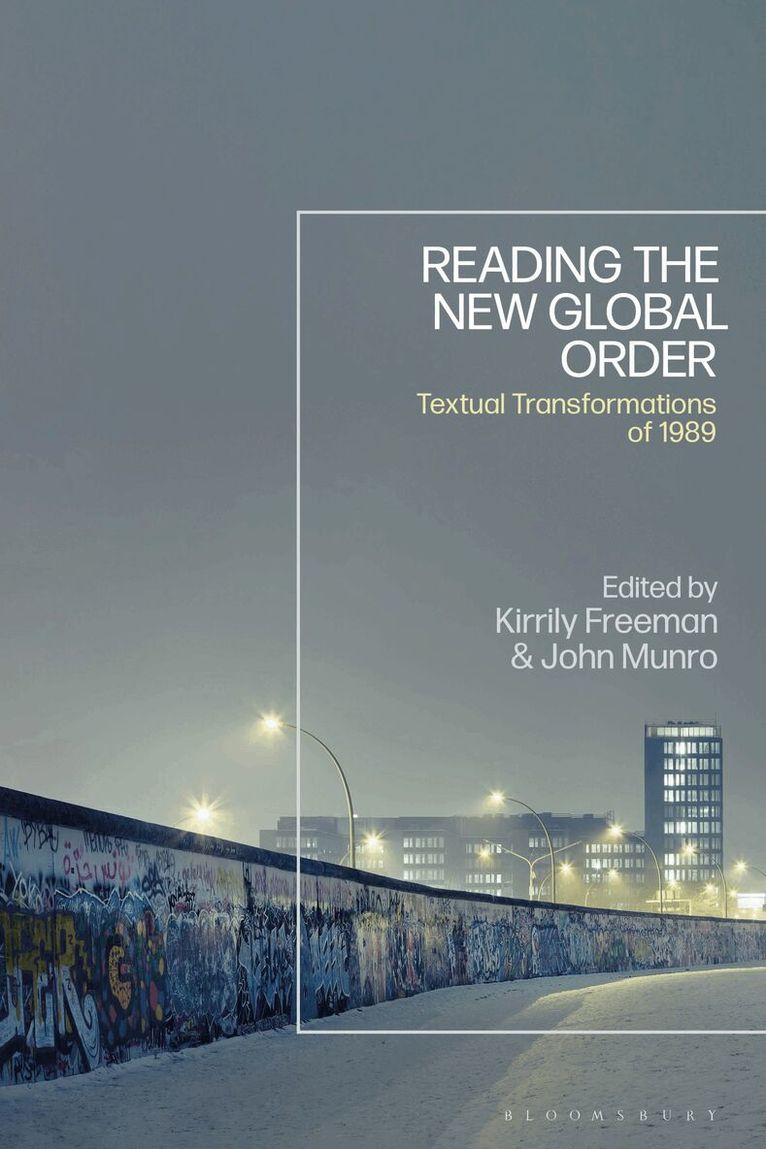
1989 bore witness to a number of seismic events; The fall of the Berlin Wall, protests at Tiananmen Square, the US invasion of Panama, and many more. These notable moments inspired an array of visual, sonic and literary texts that can tell us much about this watershed moment. This edited collection examines these products of 1989 to explore the sense of transformative immediacy, which defined this memorable year, and show how the events of 1989 set the path for the 21st century.Gathering together scholars across a range of disciplines, Reading the New Global Order examines specific texts to reveal key transnational issues of that year, and to highlight fundamental questions about the nature and significance of 1989 as a global moment. From speeches, manifestos and novellas, to a pop album, this book raises questions about what constitutes a ‘text’ in the study of history and what they can reveal about their point in time. Taken together, these chapters highlight 1989 as a cultural, intellectual and political landmark of the 20th century through the global events it saw and the texts it produced.
E-bok
PDF, Engelska, 2022451 kr
Läs direkt efter köp
1989 bore witness to a number of seismic events; The fall of the Berlin Wall, protests at Tiananmen Square, the US invasion of Panama, and many more. These notable moments inspired an array of visual, sonic and literary texts that can tell us much about this watershed moment. This edited collection examines these products of 1989 to explore the sense of transformative immediacy, which defined this memorable year, and show how the events of 1989 set the path for the 21st century. Gathering together scholars across a range of disciplines, Reading the New Global Order examines specific texts to reveal key transnational issues of that year, and to highlight fundamental questions about the nature and significance of 1989 as a global moment. From speeches, manifestos and novellas, to a pop album, this book raises questions about what constitutes a ''text'' in the study of history and what they can reveal about their point in time. Taken together, these chapters highlight 1989 as a cultural, intellectual and political landmark of the 20th century through the global events it saw and the texts it produced.
E-bok
Engelska, 2022451 kr
Läs direkt efter köp
1989 bore witness to a number of seismic events; The fall of the Berlin Wall, protests at Tiananmen Square, the US invasion of Panama, and many more. These notable moments inspired an array of visual, sonic and literary texts that can tell us much about this watershed moment. This edited collection examines these products of 1989 to explore the sense of transformative immediacy, which defined this memorable year, and show how the events of 1989 set the path for the 21st century. Gathering together scholars across a range of disciplines, Reading the New Global Order examines specific texts to reveal key transnational issues of that year, and to highlight fundamental questions about the nature and significance of 1989 as a global moment. From speeches, manifestos and novellas, to a pop album, this book raises questions about what constitutes a ''text'' in the study of history and what they can reveal about their point in time. Taken together, these chapters highlight 1989 as a cultural, intellectual and political landmark of the 20th century through the global events it saw and the texts it produced.
Häftad, Engelska, 2024
436 kr
Skickas inom 10-15 vardagar
1989 bore witness to a number of seismic events; The fall of the Berlin Wall, protests at Tiananmen Square, the US invasion of Panama, and many more. These notable moments inspired an array of visual, sonic and literary texts that can tell us much about this watershed moment. This edited collection examines these products of 1989 to explore the sense of transformative immediacy, which defined this memorable year, and show how the events of 1989 set the path for the 21st century.Gathering together scholars across a range of disciplines, Reading the New Global Order examines specific texts to reveal key transnational issues of that year, and to highlight fundamental questions about the nature and significance of 1989 as a global moment. From speeches, manifestos and novellas, to a pop album, this book raises questions about what constitutes a ‘text’ in the study of history and what they can reveal about their point in time. Taken together, these chapters highlight 1989 as a cultural, intellectual and political landmark of the 20th century through the global events it saw and the texts it produced.
Inbunden, Engelska, 2022
561 kr
Skickas inom 10-15 vardagar
This book explores the contours of civic identity in the town of Vichy, France. Over the course of its history, Vichy has been known for three things: its thermal spa resort; its products (especially Vichy water and Vichy cosmetics); and its role in hosting the État Français, France’s collaborationist government in the Second World War. This last association has become an obsession for the residents of Vichy, who feel stigmatized and victimized by the widespread habit of referring to France’s wartime government as the 'Vichy regime'. This book argues that the stigma, victimhood, and decline suffered by Vichyssois are best understood by placing Vichy’s politics of identity in a broader historical context that considers corporate, as well as social and cultural, history.
E-bok
Engelska, 2022734 kr
Läs direkt efter köp
This book explores the contours of civic identity in the town of Vichy, France. Over the course of its history, Vichy has been known for three things: its thermal spa resort; its products (especially Vichy water and Vichy cosmetics); and its role in hosting the État Français, France’s collaborationist government in the Second World War. This last association has become an obsession for the residents of Vichy, who feel stigmatized and victimized by the widespread habit of referring to France’s wartime government as the ''Vichy regime''. This book argues that the stigma, victimhood, and decline suffered by Vichyssois are best understood by placing Vichy’s politics of identity in a broader historical context that considers corporate, as well as social and cultural, history.